By: Chris ⎜ Last updated
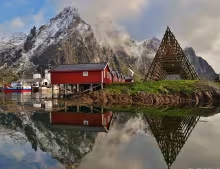
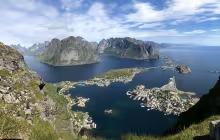
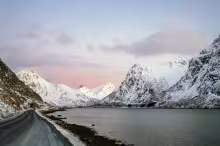
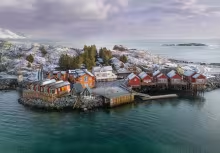
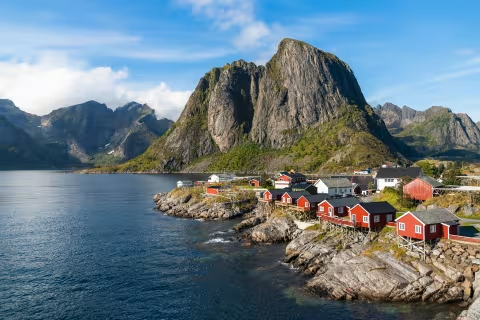
The islands stretch 180 km along a single road designated as a National Scenic Route, and everything worth seeing is spread between fishing villages that are an hour or two apart. As opposed to the other Norwegian scenic routes, this is not something you will drive in one day. Seven days gives you enough time to hike the big trails, see the main sights, eat well, and have enough time to just enjoy the place and the scenery.
The week in brief: fly into Evenes, rent a car, and work your way from east to west across three bases. Two nights in the Svolvær area, two in Ballstad, three in the western villages around Reine. You'll need to book accommodation months ahead, so the day-by-day structure is mostly fixed before you arrive. Where you do have flexibility is in how you fill each day, and that depends almost entirely on the weather.
For flight routing, car rental, and the full breakdown of how to reach the islands, see our getting to Lofoten guide. For detailed accommodation reviews at every stop, see our where to stay in Lofoten guide.
How to get to Lofoten: Car, ferry or flight?
Where to stay in Lofoten
Before you go
Summer accommodation across the islands sells out months ahead. Booking in February for a July stay is not unusual, and the best units at the best properties go first. Restaurant reservations matter too, especially in summer. Book well in advance.
A few reservations are harder than others. Lofoten Food Studio in Ballstad is a 12-seat chef's table run by one person. Find out exactly when the season's bookings open and reserve the day they go live. Holmen Lofoten in Sørvågen is seasonal and small. Fiskekrogen in Henningsvær and Børsen Spiseri in Svolvær both fill every night in summer. Don't leave any of these to chance.
The archipelago has exactly two Vinmonopolet stores: one in Leknes, one in Svolvær. They close at 18:00 on weekdays, 16:00 on Saturdays, and are shut all day Sunday. Wine, spirits, and any beer above 4.75% ABV can only be purchased at Vinmonopolet. Supermarkets sell weaker beer, but that's it. If you want wine with dinner, plan your Vinmonopolet visits around the opening hours.
Where you'll sleep
Three-four bases, moving east to west.
Nights 1-2: Svinøya Rorbuer, Svolvær
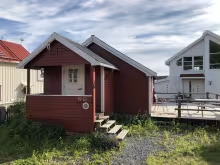
Svinøya Rorbuer are traditional fisherman's cabins on a small island connected to the town centre by a footbridge. Børsen Spiseri on-site is the best restaurant in Svolvær: stockfish, pinnekjøtt, serious Nordic cooking served in a timber dining room that looks out over the harbour. Walking distance to the boat tour departures for the next morning. Svolvær is the practical base: supermarkets, the Vinmonopolet, boat tour operators, and more restaurant options than anywhere else on the islands.
After a morning Trollfjord cruise from Svolvær, drive to Henningsvær for the afternoon and evening. If you're eating at Fiskekrogen and having drinks at Trevarefabrikken afterwards, you need to sleep here, otherwise head back to Svolvær for dinner and night 2 at Svinøya. The 0.02% BAC limit means driving is not an option. Henningsvær Bryggehotell (opened July 2024) is one of the best hotels in Lofoten: 39 rooms across eight harbour-front buildings, proper design and good beds. Trevarefabrikken also has rooms, and is recommended for accommodation at a lower price point.
Nights 3-4: Hattvika Lodge, Ballstad
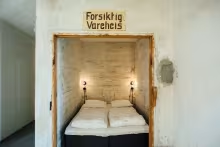
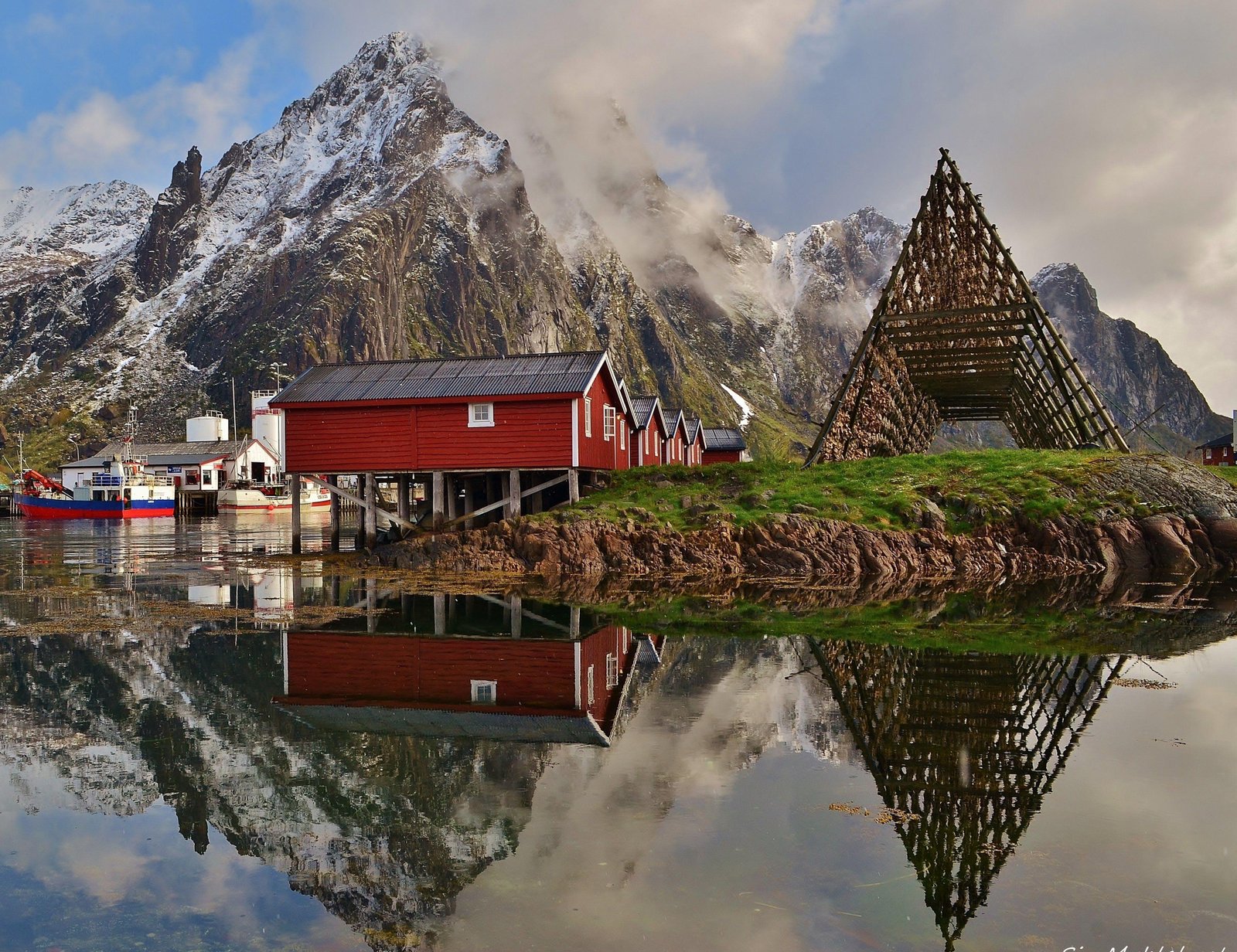
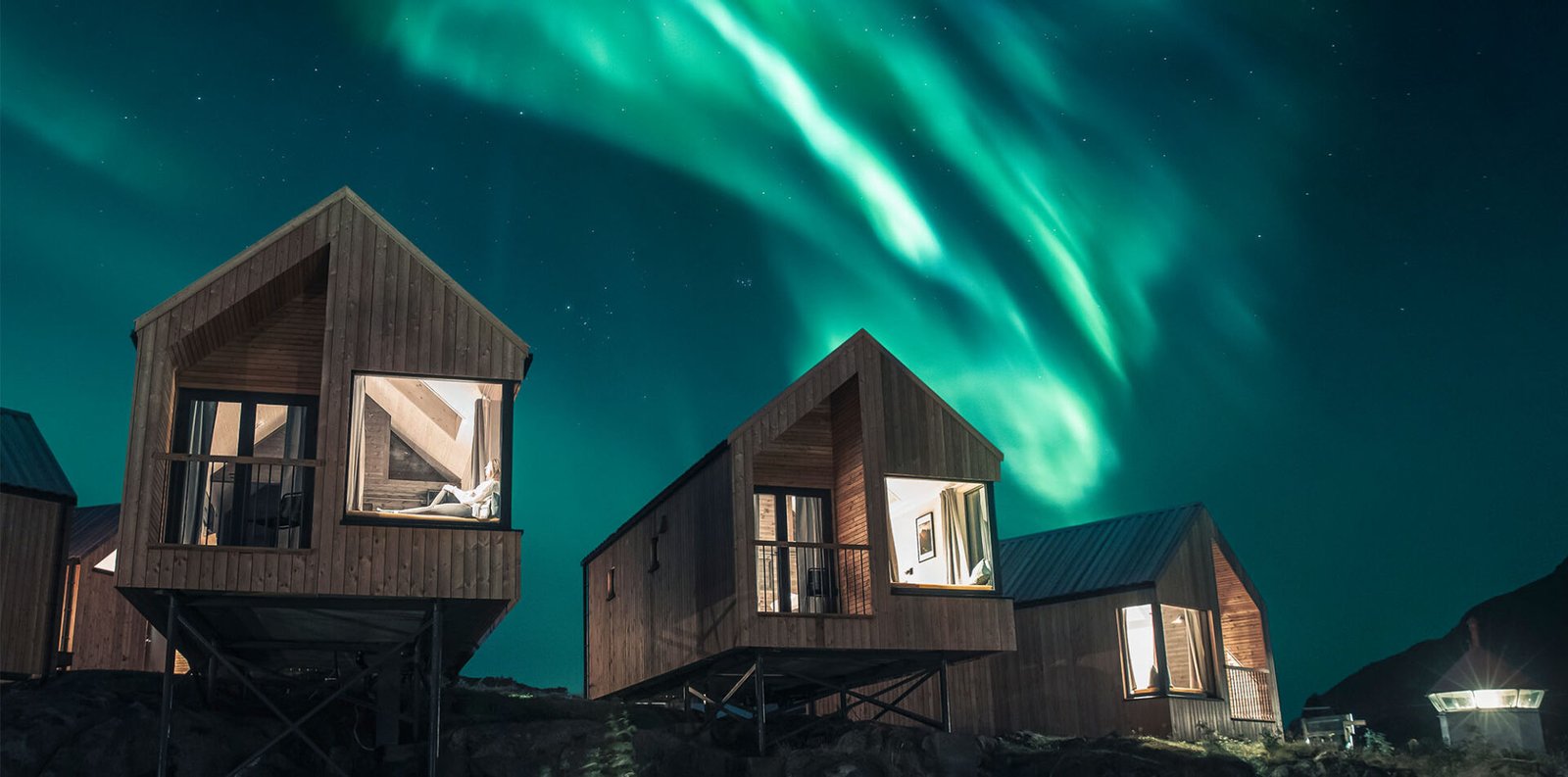
Book the Hillside rooms at Hattvika Lodge for the view: floor-to-ceiling windows, Scandinavian design studio layout, roof windows. The harbour rorbuer for the atmosphere: full kitchens, heated bathroom floors, the sound of the boats through the walls. Restaurant Fangst on-site sources its seafood from the dock directly in front of the property. Lofoten Food Studio is in the same village. Leknes is 10 minutes up the road for supermarkets and the first Vinmonopolet.
Nights 5-6: Reine, Hamnøy, or Sørvågen
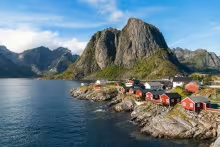
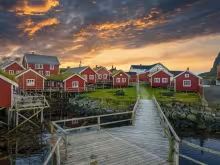
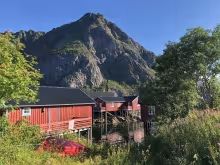
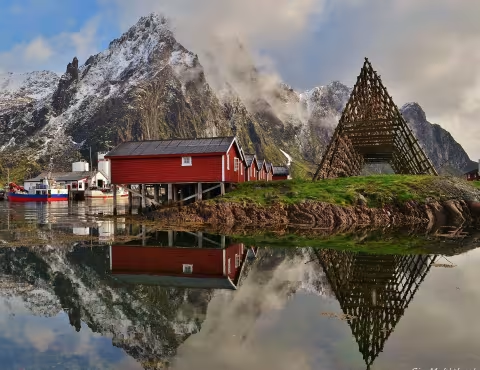
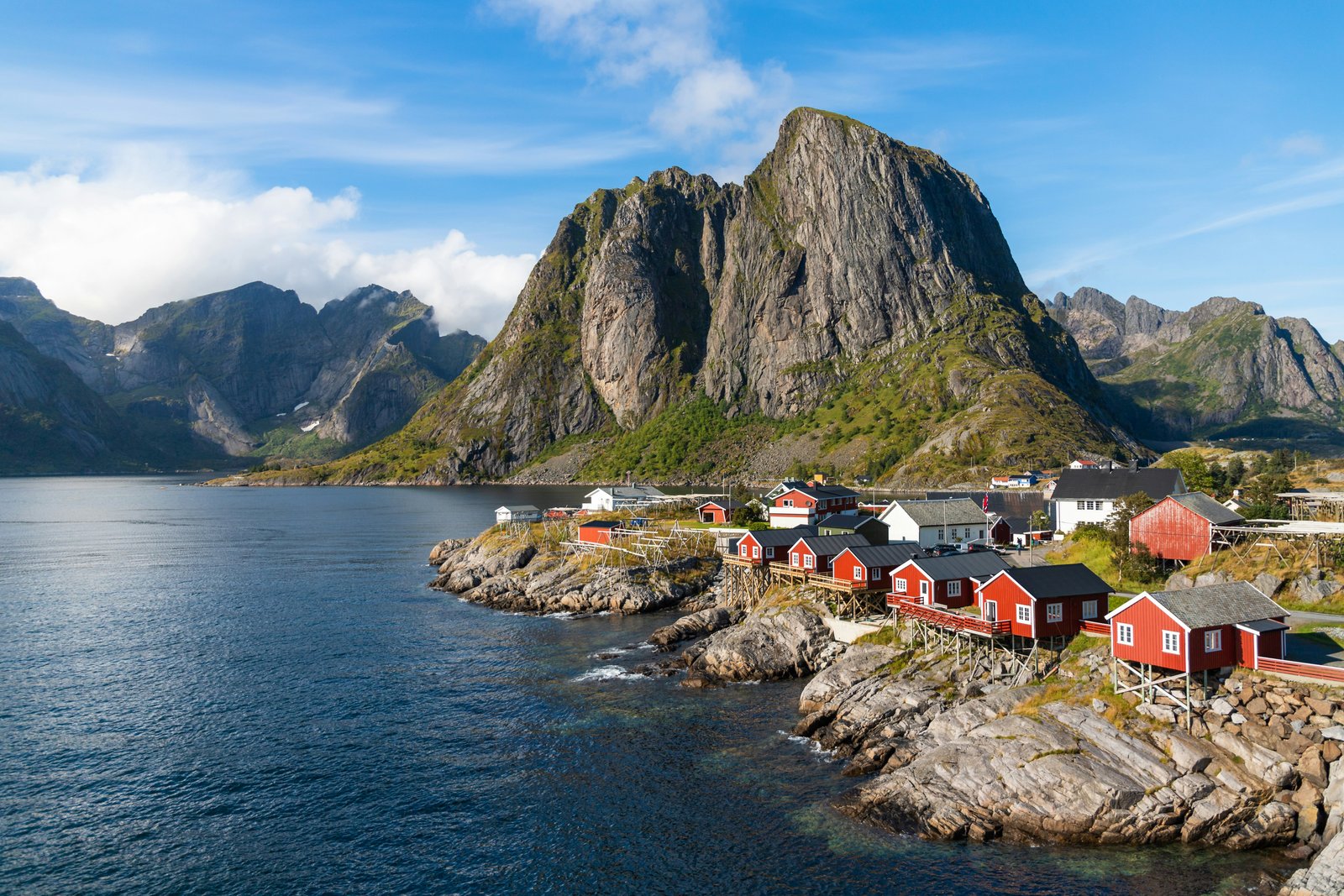
The choice depends on your priorities. Eliassen Rorbuer in Hamnøy is probably the most photographed rorbuer in Lofoten, and the setting over the water with the granite peaks behind it is as good as the photos suggest. The cabins are 3-star at a premium price. Only the freestanding, waterfront units are worth booking. Ask for a specific cabin number before confirming. Reine Rorbuer gives you the most dining options within walking distance. Holmen Lofoten in Sørvågen is the best restaurant in the western half of the islands, but the rooms are small and the season is limited. At this end of the archipelago, you'll cook most nights. Stock up in Leknes before you drive west.
Day 1: Evenes to Svolvær
165 km, about 2.5 hours driving
Pick up the car at Evenes. Five rental agencies operate from the terminal: Avis, Budget, Europcar, Hertz, and Sixt. Summer availability gets tight, so book early. A compact hatchback is fine for every road in the islands and fits into parking spots that an SUV won't.
Fill up before you leave the mainland. The E10 through the Lofast corridor is straightforward. Tunnels over 6 km long, bridges spanning open fjord water, and the landscape shifting from mainland spruce forests to bare coastal rock. No ferry crossings, just driving. You'll know you're in the islands when the mountains stop looking like regular mountains and start looking like something a geology textbook would use to explain the word "dramatic." The road clings to the coast and threads between peaks that drop straight into the sea.
Drive straight to Svolvær, check in at Svinøya, and walk the harbour. Svolvær is a proper town by Lofoten standards: restaurants, supermarkets, boat tour operators along the waterfront. It doesn't have the postcard beauty of the western villages, but it has everything you need after a long travel day. Dinner at Børsen Spiseri.
Day 2: Trollfjord, Kabelvåg, and Henningsvær
Boat tour 1.5-3 hours, then ~30 min driving
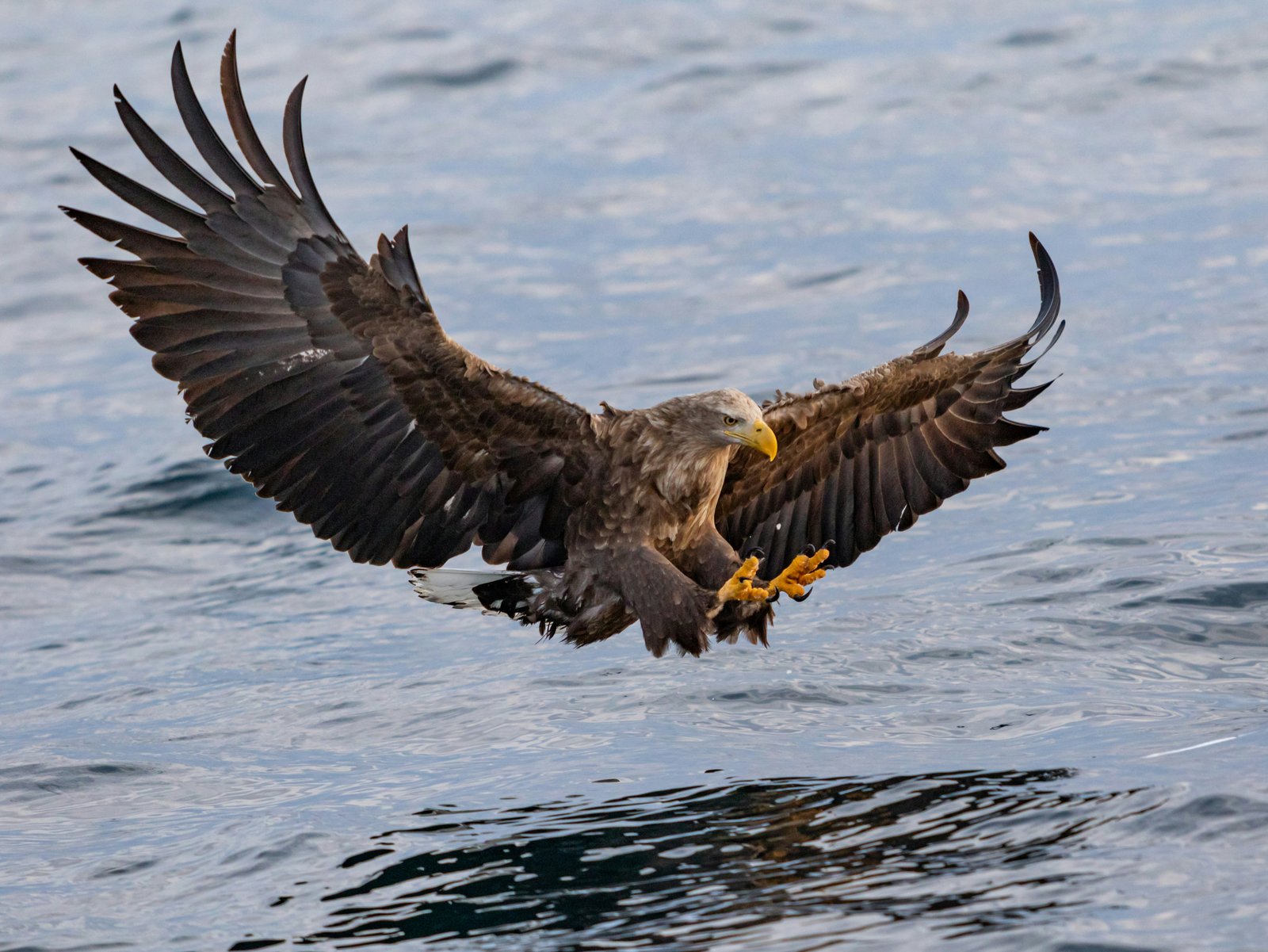
Morning: Trollfjord sea eagle safari from Svolvær harbour. Trollfjorden is a two-kilometre-long slit in the rock with near-vertical mountain walls on both sides. The water narrows until you can almost touch the cliffs from the boat. The area supports one of the largest white-tailed sea eagle populations in Europe with wingspans up to 2.5 metres. The guides throw fish into the water and the eagles dive for them right next to the boat, close enough that you hear the air through their feathers.
There are two formats. RIB boats (rigid inflatable, about 1.5 hours) are fast and exposed. You wear a thermal flotation suit and goggles and get deep into the narrow fjord where larger boats can't go. The speed across open water is part of the experience. Larger cruise boats (about 3 hours, covered deck, café on board) are calmer and give you more time for photography. Both see eagles. Book ahead for summer, especially the RIB departures. Several operators run from the harbour, including RIB-Lofoten and Go2Lofoten.
After the boat tour, check out of your hotel if you're staying at Henningsvær and drive west. Stop at Kabelvåg, about 10 minutes from Svolvær. It has the Lofoten Cathedral, the largest wooden church north of Trondheim, built in 1898 for the thousands of seasonal fishermen who came for the cod. Galleri Espolin is dedicated to Kaare Espolin Johnson, whose dark ink-wash paintings of northern Norwegian life are worth an hour even if you've never heard the name. A hour here, then continue to Henningsvær.
Henningsvær is built across a cluster of small islands connected by bridges, and it sits at the end of a dead-end road off the E10.
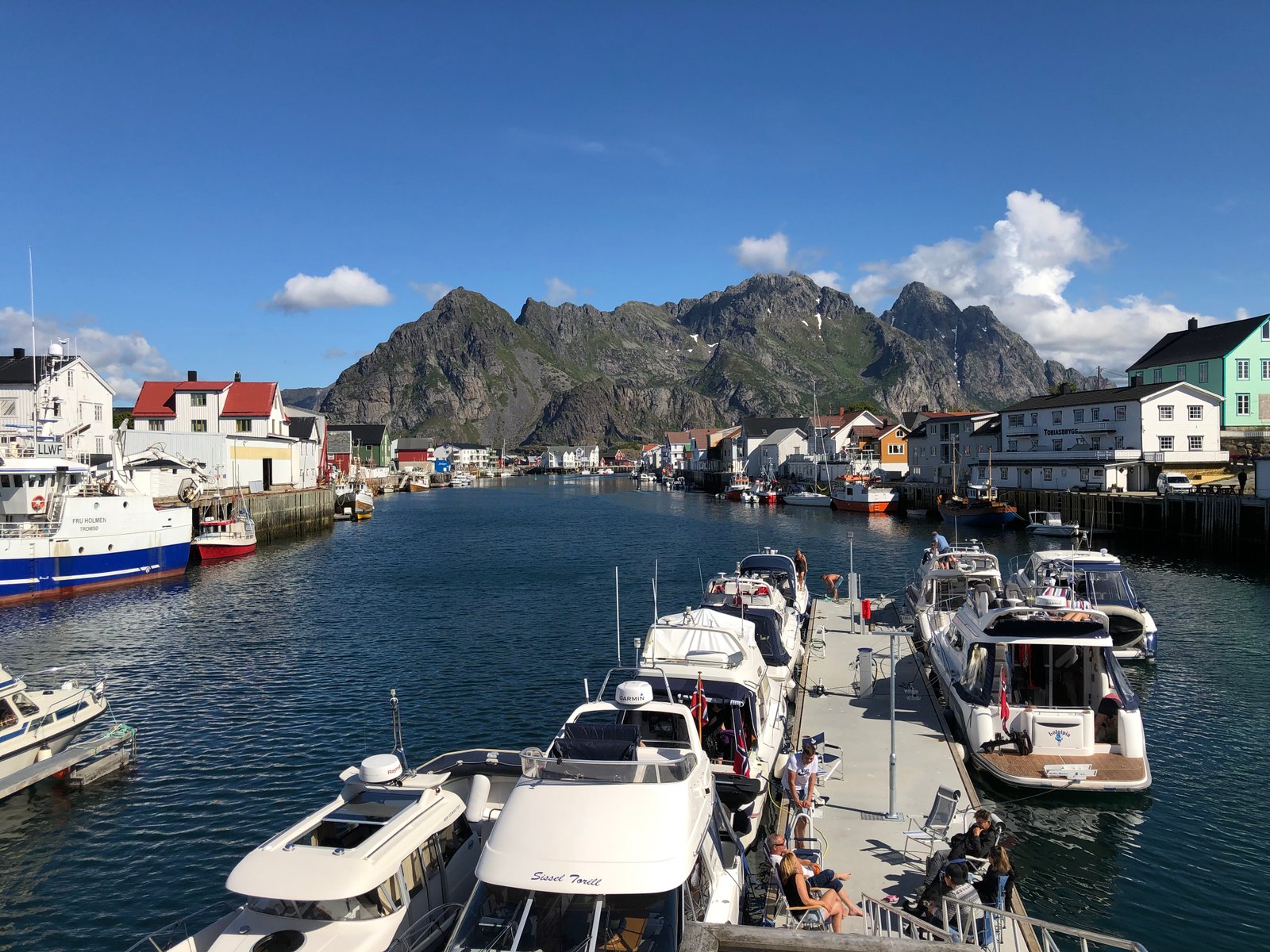
KaviarFactory is a contemporary art gallery in a converted caviar warehouse on the harbour. Rotating exhibitions, 30-45 minutes. Walk the harbour, see the football pitch wedged between rock and sea, and get coffee at Lysstøperiet (excellent pastries alongside the candle-making shop).
Evening if staying at Henningsvær: Fiskekrogen for dinner. This is the serious seafood restaurant in Henningsvær. Reserve well in advance for summer. After dinner, Trevarefabrikken for a drink. The food there is inconsistent, but the converted-factory atmosphere on a summer evening is the best in the village.
Otherwise drive back to Svinøya, dinner at Børsen.
Day 3: Lofotr Viking Museum, then Ballstad
50 km, about 1 hour Henningsvær to Borg, 25 km, about 0.5 hours Borg to Ballstad
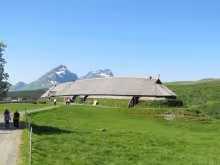
Morning: check out and head to the Lofotr Viking Museum at Borg on Vestvågøy. Allow 2-3 hours here. A farmer ploughing his fields in 1983 turned up fragments of glass and ceramics. What archaeologists found underneath was the largest Viking longhouse ever discovered: 83 metres long, the home of a powerful chieftain who ruled from this hilltop for centuries. The reconstructed longhouse is the reason to come. The exhibition halls and short film are good, but the longhouse itself, smelling of tar and woodsmoke with costumed guides working the forge and answering questions, is the experience. The gold foil amulets and ceramic fragments in the exhibition give you a sense of how far this chieftain's trade network reached.
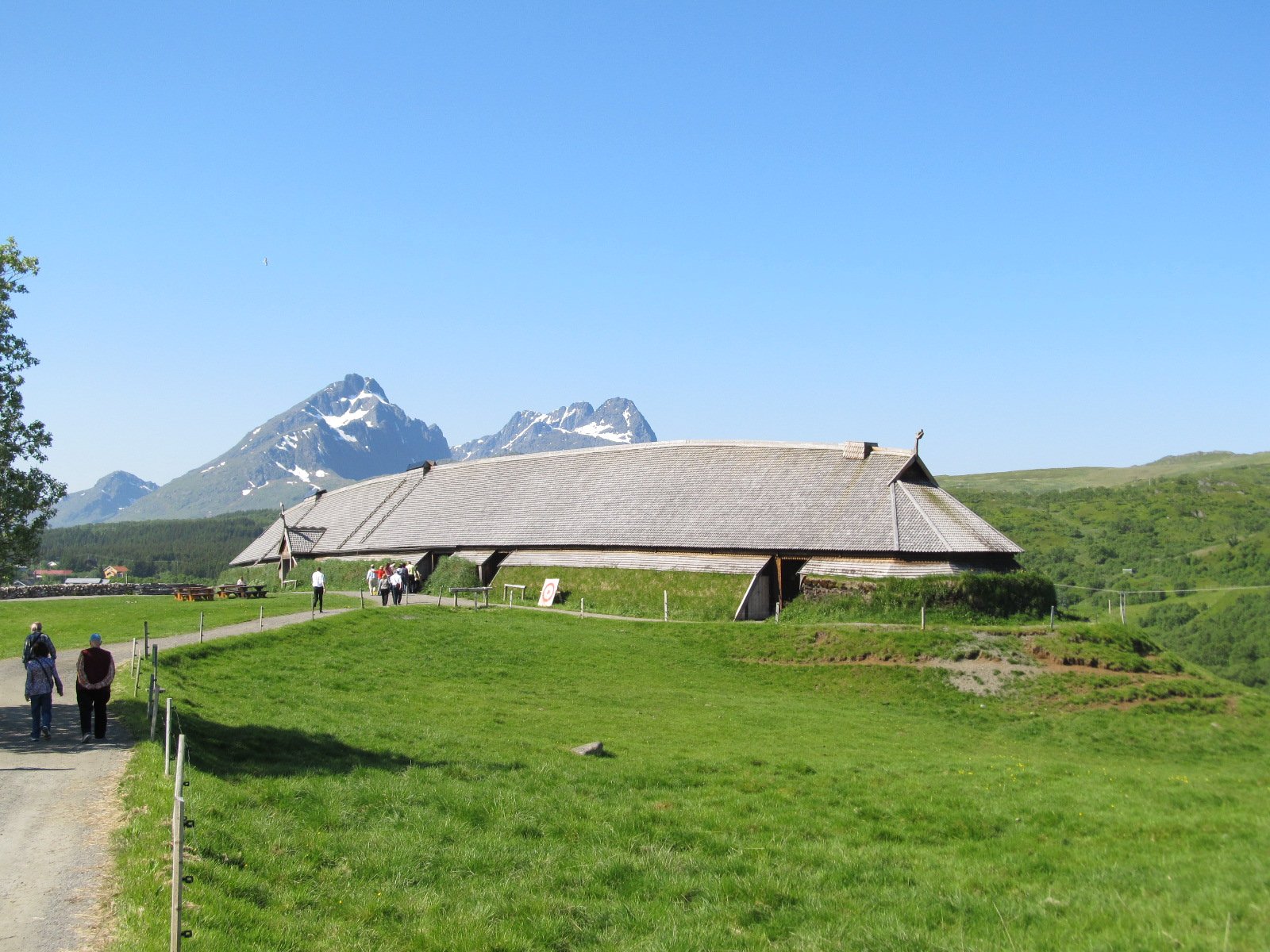
In summer (June through August), the Viking ship replica is moored at the waterfront, about a 20-minute walk from the main buildings, and you can row it. Archery and axe-throwing at the activity area. The museum is open year-round but the summer programme is the full experience. There's no Viking Festival in 2026; the museum has paused it for the year. The café is decent, but you'll eat better in Ballstad later.
Afternoon: continue to Ballstad via Leknes. Stop in Leknes for groceries (Rema 1000 and Coop both have decent selections) and Vinmonopolet. This is your last easy chance to stock up on wine before heading west. Check in at Hattvika Lodge.
Evening: Restaurant Fangst at Hattvika, or cook your first proper rorbu dinner with what you bought at Leknes. If you booked a Hillside unit, the view from the window-seat nook looking out over the fishing village and the sea is better than most restaurants.
Day 4: Ryten and the beaches
Half-day hike + beach time
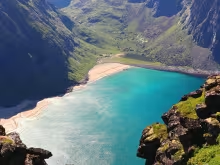
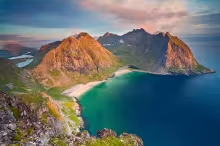
This is the day to watch yr.no most carefully. If the forecast is reasonably clear, drive to the Fredvang area and hike Ryten. About 7-8 km round trip, roughly 500 metres of elevation gain, 3-4 hours. The terrain varies: heather and boardwalks over boggy sections at the start, then open ridge with views building in every direction. The summit view down over Kvalvika beach, a crescent of pale sand trapped between dark cliffs and emerald water, is the payoff. There's a rock outcrop near the top where you can sit on the edge with the beach below you. Waterproof boots are worth it for the boggy lower sections even on a dry day.
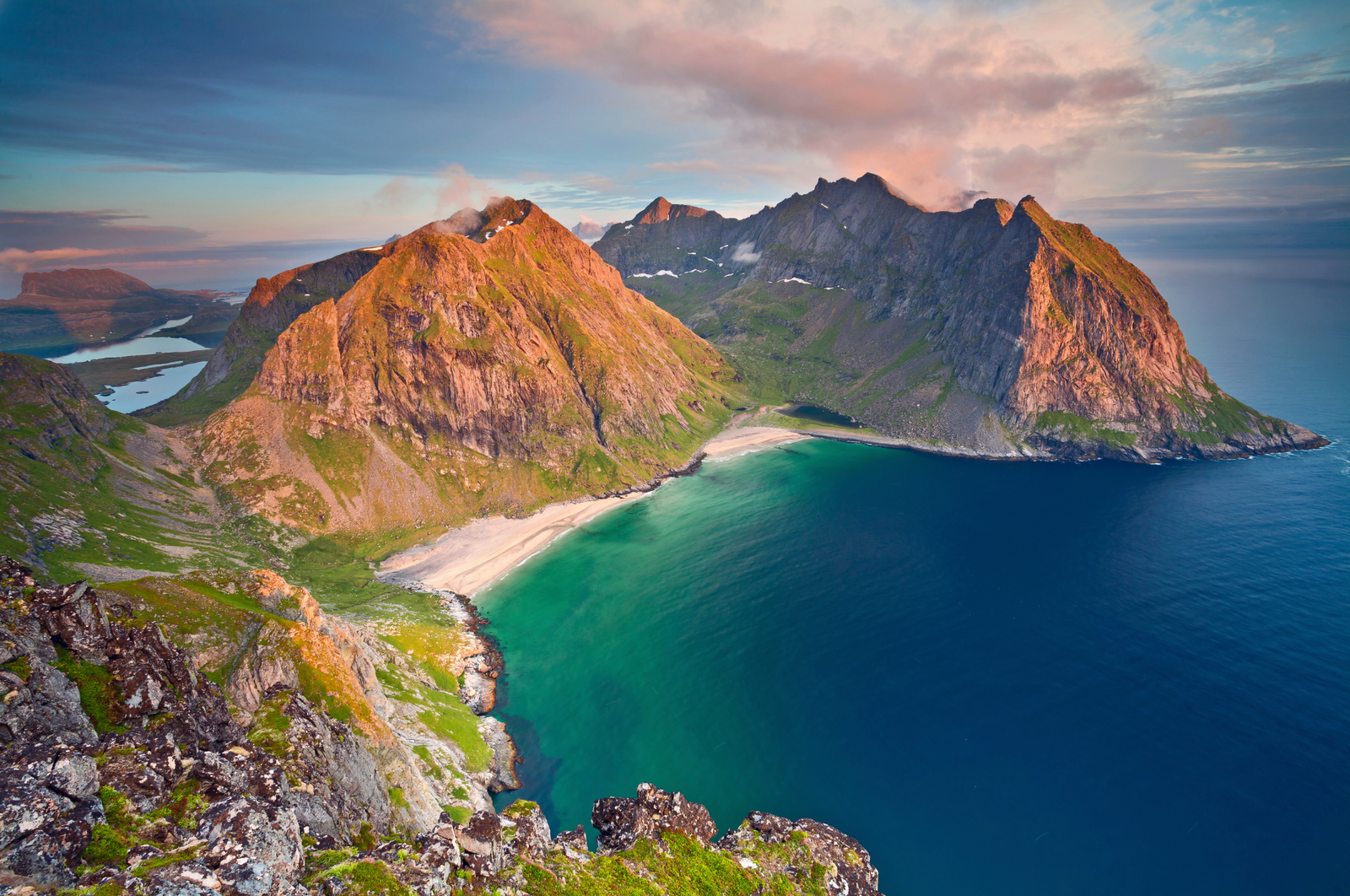
Parking is on private farm lots at Innersand (paid, roughly 100 NOK). They fill by 09:00 in peak summer, so start early. The trail sits inside Lofotodden National Park. From the summit, you can extend the hike down to Kvalvika beach itself, but that adds significant distance and elevation on the return. Most people are better off enjoying the view from above and saving their knees for Reinebringen in a couple of days.
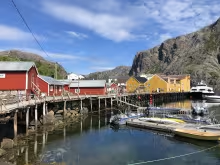
If it's raining, save Ryten for day 5 instead. Drive to Nusfjord (about 30 minutes from Ballstad). Day visitors pay a 100 NOK entrance fee, which funds the preservation work and filters out some of the casual traffic. The preserved fishing village and harbour are worth a couple of hours even in poor weather. Restaurant Karoline serves lunch in the old dried-fish loft, and the stockfish is the specialty.
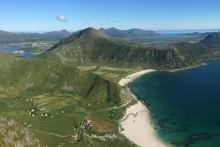
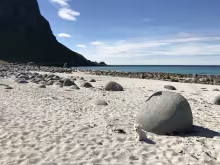
Afternoon: Haukland and Uttakleiv beaches on the drive back to Ballstad. Haukland is the classic white-sand postcard. Uttakleiv is rockier, more photogenic at low angles, and the short scramble to the viewpoint above the beach is worth the 10 minutes. The Mannen hike starts from the Haukland parking lot (about an hour up, panoramic views back over the beach) if you have legs left.
Evening: Lofoten Food Studio if you were one of the 12 people who secured a reservation. Seven or nine courses of hyper-local seafood, one chef, no staff, roughly four hours, closer to Japanese omakase than anything you'd expect above the Arctic Circle. If you didn't get in, Fangst again or cook.
Day 5: Move west
60 km, about 75 minutes driving from Ballstad to Reine
The road gets narrower as you cross onto Moskenesøya, the mountains rise steeper on both sides, and the fishing villages shrink until they're just a handful of red cabins between the road and the water.
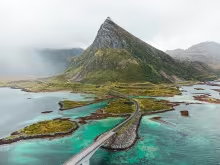
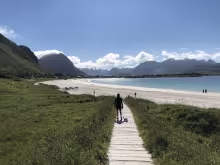
Morning: one more Leknes run if you need anything from the supermarkets or Vinmonopolet. There isn't one further west. Drive to your base in Reine, Hamnøy, or Sørvågen. The E10 crosses through the Nappstraum subsea tunnel between Vestvågøy and Flakstadøy, and from there the road tightens. The beach at Ramberg is one of the longest white-sand stretches in Lofoten, worth pulling over for even on a grey day. From Ramberg, the final stretch to Reine is about 35 minutes and the scenery changes constantly: the mountains close in, the road narrows through Flakstad and onto Moskenesøya, and by the time you reach Hamnøy you'll understand why people photograph these same red cabins over and over. Check into your accommodation.
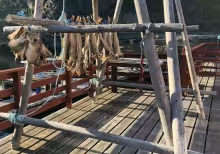
Afternoon: drive to Å village (about 20 minutes past Reine). The road literally ends here, at the last letter of the Norwegian alphabet. The bakery does traditional cinnamon buns that draw people from across the islands. The Norwegian Fishing Village Museum is not a single building but an entire preserved 19th-century fishing settlement: cod liver oil factory, boathouse, bakehouse, smithy, stockfish drying racks. Walk the whole village, it takes an hour or two. Most people turn around too quickly.
Evening: Gadus at Eliassen Rorbuer if you're staying in Hamnøy (Italian-Norwegian fusion, the only restaurant within walking distance, reserve ahead). Holmen Lofoten in Sørvågen if you booked (the daily menu changes based on what's been caught, foraged, or harvested that day). Anitas Sjømat in Sakrisøy if you want something quicker: fish burgers, smoked salmon, more deli counter than sit-down restaurant, and the best casual food stop at this end of the islands.
Day 6: Reinebringen and the fjord
Hike 2-3 hours + afternoon activity
Another weather-dependent day. If it's clear, do Reinebringen early. Before 08:00 in summer. Nearly 2,000 stone steps built by Nepalese Sherpas between 2016 and 2021, about 3 km round trip, 500 metres of elevation gain. Steep and relentless, not technical, but your legs will feel it. The stairs end near the top and give way to a muddy path along the ridge. The view from that ridge over Reinefjorden, with Sakrisøy and Hamnøy spread out below and the peaks rising behind them, is the one on every Lofoten book cover and Instagram feed, and for once the photos aren't exaggerating. Most hikers stop at the first viewpoint. The actual summit is a bit further along and the view is even better with fewer people.
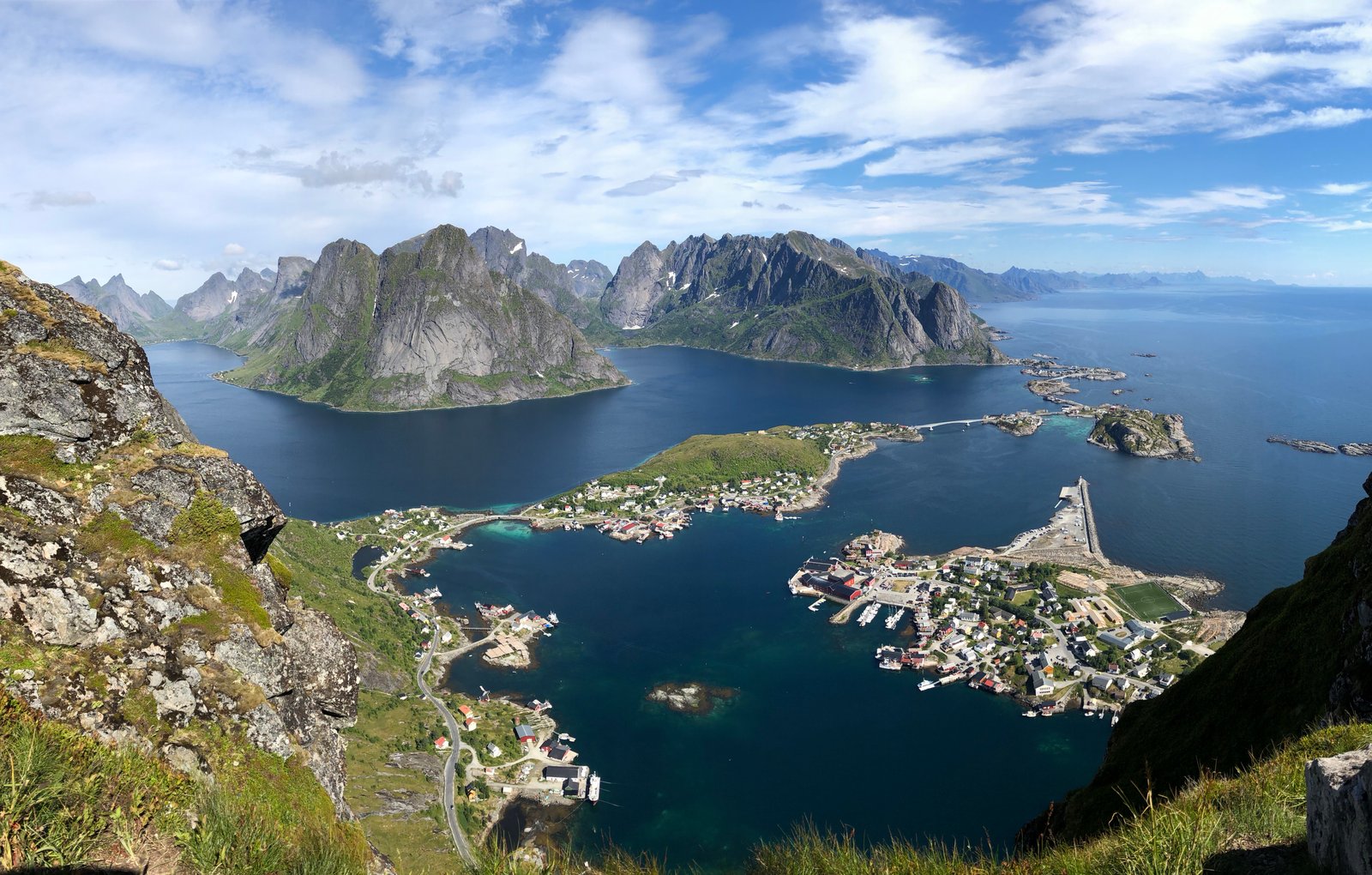
Parking: Ytre Havn (outer harbour) in Reine is the most reliable option, paid by the hour (roughly 40-50 NOK). The Reine Kultursenter car park charges a flat day rate. There's a free lot at Djupfjord, south of the Ramsvik tunnel, about 1.3 km from the trailhead. Don't park along the E10. Enforcement is active in summer and the fines are steep.
Afternoon: two good options. The passenger ferry from Reine to Vindstad (about 20 minutes, check the schedule with Reine Fjordcruise, only a few departures daily in summer) drops you at the start of a 30-minute walk to Bunes beach on the exposed outer coast. The beach faces the open Norwegian Sea, completely different from the sheltered fjord side of the islands. The sand is white, the water is cold and turquoise, and in every direction the mountains fall straight into the ocean. Plan the trip around the ferry schedule, not the other way around. Miss the last return sailing and you're camping under open skies. Alternatively book a kayaking trip in the Reinefjord if the water is calm. The paddling here is sheltered, the water is clear, and the mountains rise straight out of the fjord on all sides.
Evening: same options as Day 5. Gadus at Eliassen Rorbuer if you're in Hamnøy, Holmen Lofoten in Sørvågen if you booked.
Day 7: Back to Evenes
⏱ 280 km, 5+ hours driving + buffer
The return drive is long, and summer traffic on the E10 adds time. Traffic, single-lane bridges, tourists stopping in the road for photos. Build in a buffer. If your flight leaves at 20:00, leave Reine by 11:00 at the latest. The 5-hour driving estimate can stretch to 6 hours with traffic and stops. The drive between Reine and Svolvær is the slowest section, with the narrowest roads and the most bottlenecks. Once you're past Svolvær and onto the Lofast corridor heading back toward Evenes, the road opens up and the driving is faster.
That said, the drive isn't dead time. You're retracing the E10 in the opposite direction, and the light and weather will be different from the drive in. If you haven't visited Nusfjord yet, it's worth the 10-minute detour from the E10 if you have the time to spare. The preserved fishing village is one of the oldest in Norway, and morning light in the sheltered harbour before the day visitors arrive is the best time to see it. Further north, Kabelvåg has the Lofoten Cathedral and Galleri Espolin if you didn't stop on Day 2.
Don't underestimate this drive. If your flight is tight, skip the detours and drive straight through. Better to arrive at the airport with an hour to spare than to miss a flight because you stopped for one more photo.
Fill up at the last fuel station before Evenes. Return the car.
When it rains
Rain will eat at least one of your seven days. Probably two. The instinct is to push through, lacing up the boots for a soggy hike because it's "on the schedule." Don't. The views from the ridges are the whole point of hiking in Lofoten, and you won't see anything through cloud. A day of rain spent in a museum is better than four hours of wet misery on a trail that ends in grey nothing.
To the extent possible, move hiking days to the clear windows and stack indoor activities on the wet days. The rainy-day list: Lofotr Viking Museum if you haven't been. The WWII museum in Svolvær. The Fishing Village Museum in Å. KaviarFactory and the galleries in Henningsvær. Trevarefabrikken for coffee, pizza from the wood-fired oven, and a window seat watching the harbour.
Driving between villages in the rain is still worthwhile. The light goes moody, waterfalls pour off the mountainsides that were dry the day before, and the roads empty out. The western villages look good in overcast weather anyway, when the red cabins pop against grey water and grey sky. Sitting in your rorbu with a glass of red wine while watching the weather roll across the harbour is not a wasted evening.
Check yr.no obsessively. The forecast can flip completely in a few hours, and a day that starts grey often opens up by noon. That's your window for the hike you postponed.
Explore the locations