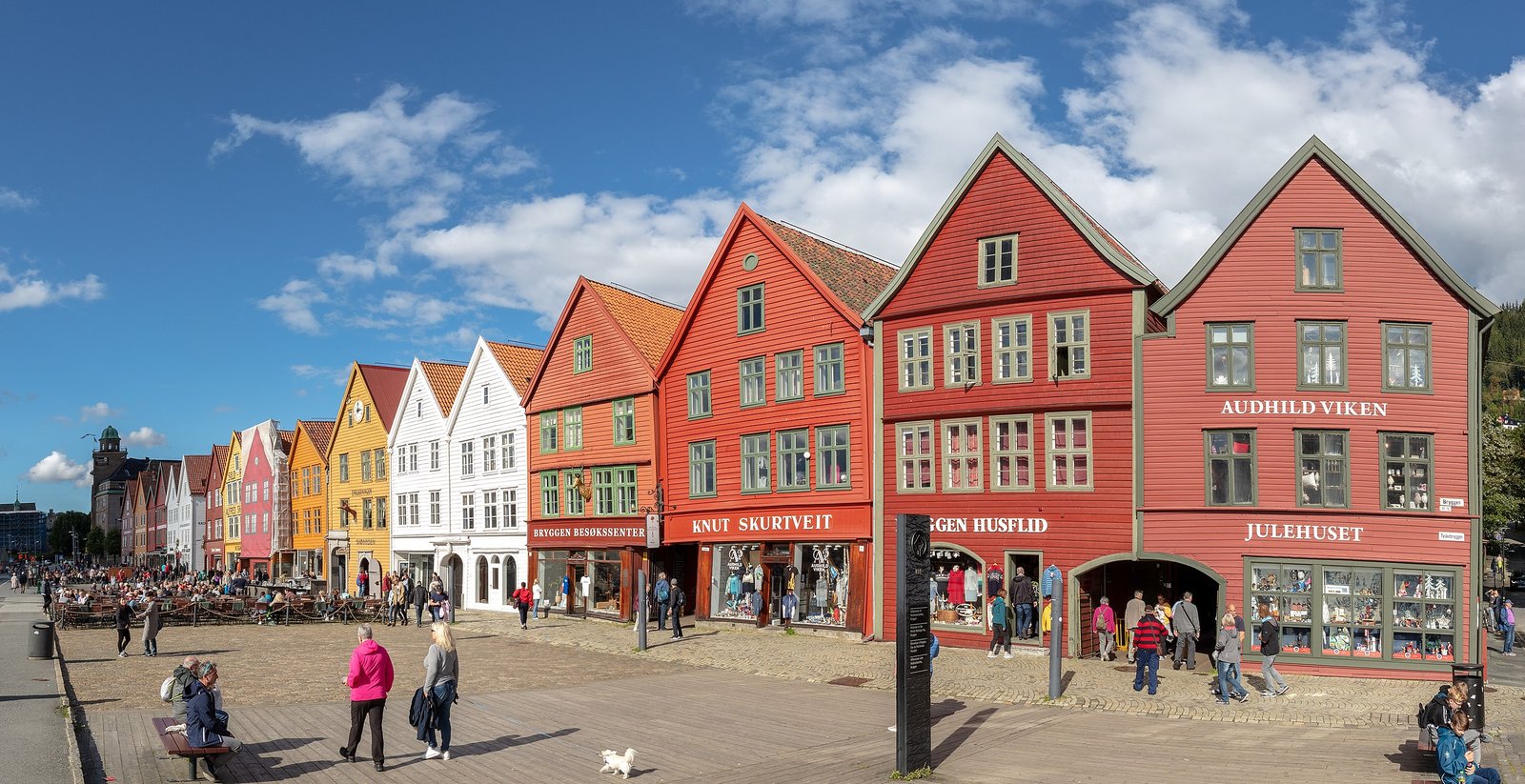
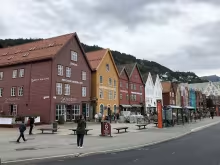
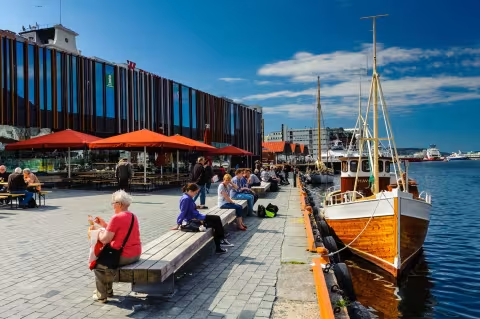
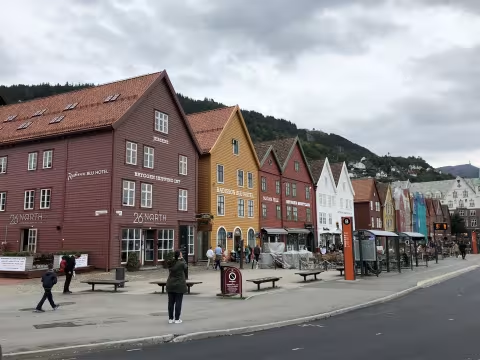
Bergen is Norway’s second-largest city and the classic base for exploring fjord Norway, with a compact center that’s easy for tourists to cover on foot. It’s best known for the UNESCO-listed Bryggen wharf, Bergen’s former Hanseatic trading quarter, where the tight alleyways and wooden buildings make the city’s history feel close-up rather than museum-distant. Many visitors use Bergen as a launch point for fjord cruises and guided day trips, then come back to a city that’s strong on seafood and culture.
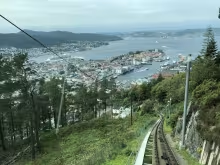
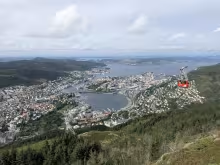
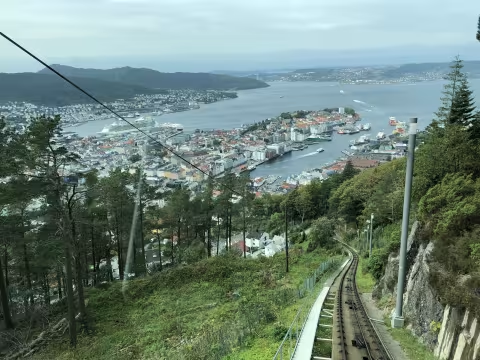
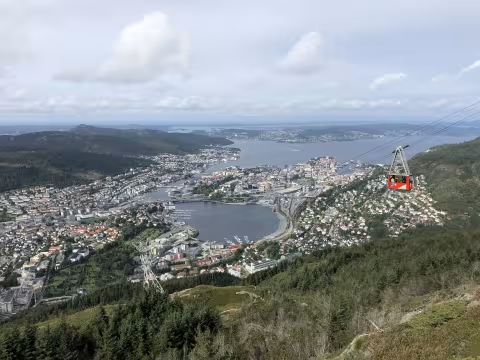
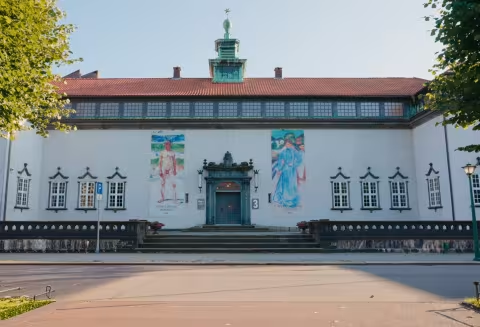
Ride the Fløibanen funicular up to Mount Fløyen for a sweeping viewpoint over the city and surrounding mountains. Back at street level, the Fish Market is an easy browse for local flavors, while Kode is a major stop for art, design, and music in the Nordic region.
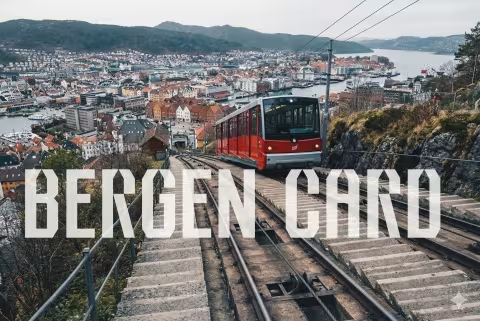
The Bergen Card covers public transport, museum entry, and a handful of restaurant discounts across Bergen and the surrounding region.
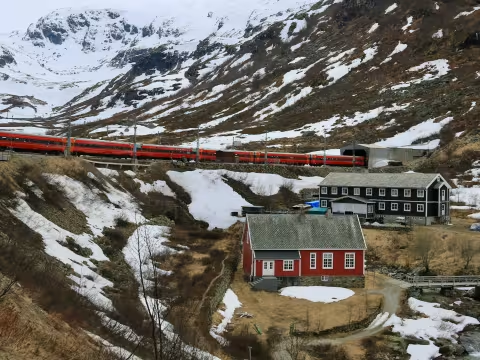
The Bergensbanen is a 470 km train line between Oslo and Bergen which takes about seven hours, climbing to 1,237 metres at its highest point.
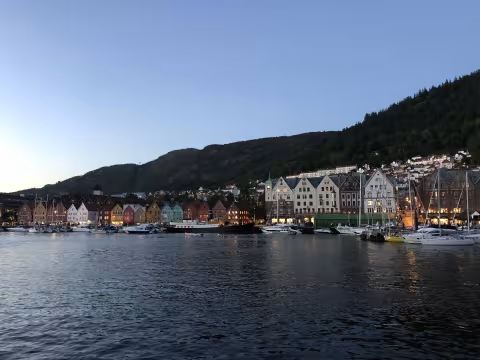
Bergen is small. You can walk from one end of the centre to the other in twenty minutes. But still it´s easy to waste time by crossing the same ground several times.
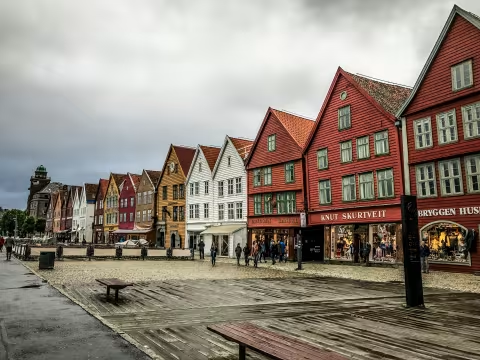
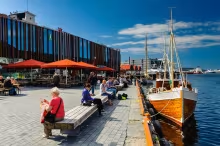
Bergen wraps itself around a single harbour. This makes choosing where to stay simple, you will stay in or close to the city center, but where?
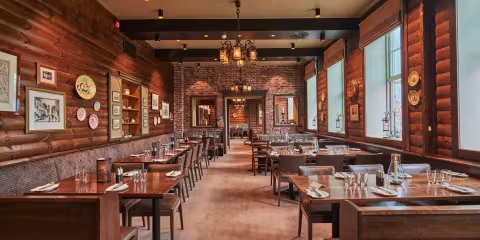
Bergen has three Michelin-starred restaurants, a legendary hot dog stand that's been grilling since 1946, and a 96-year-old fish cake recipe that was once shipped weekly to Norwegian embassy staff
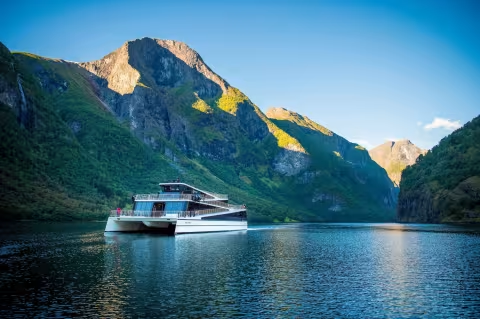
Explore the locations








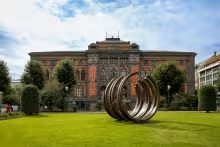

Top things to do
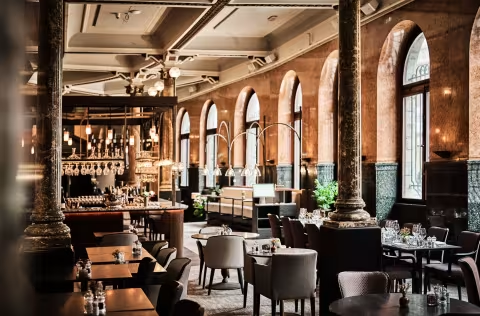
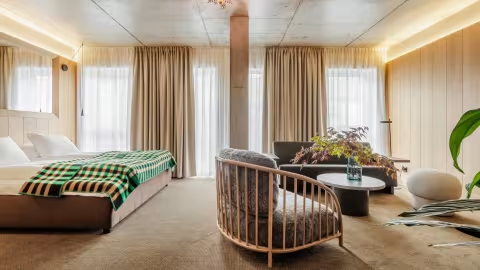
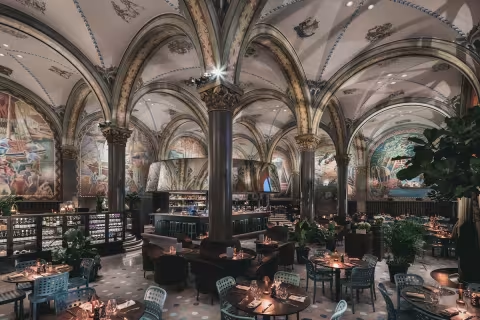
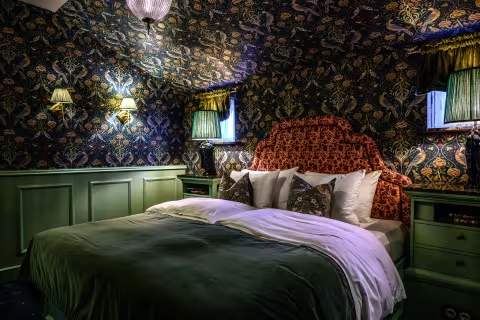
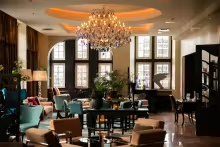
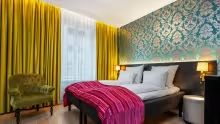
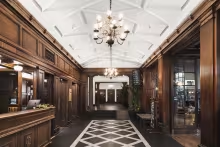
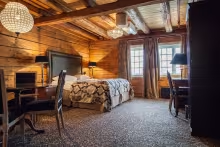
Best hotels