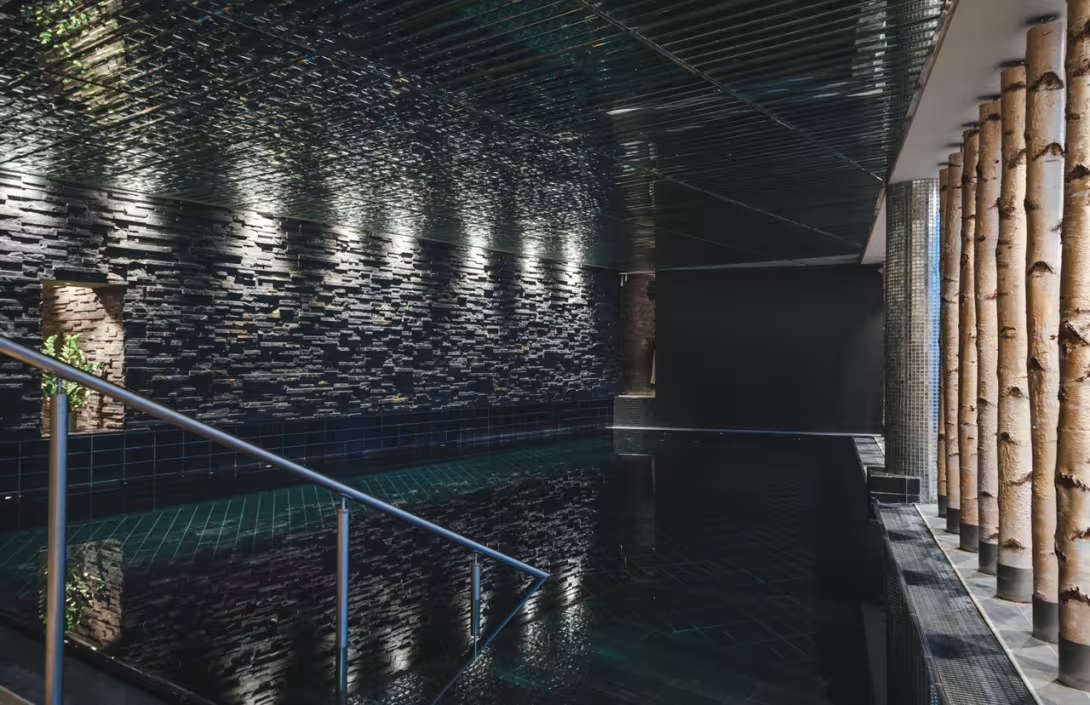
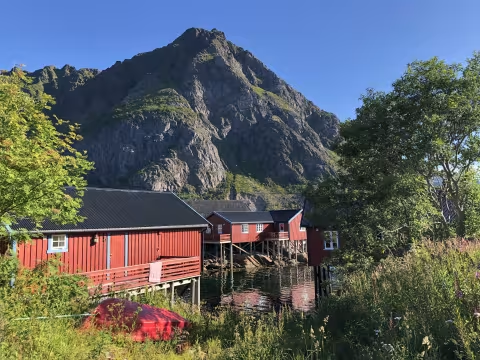
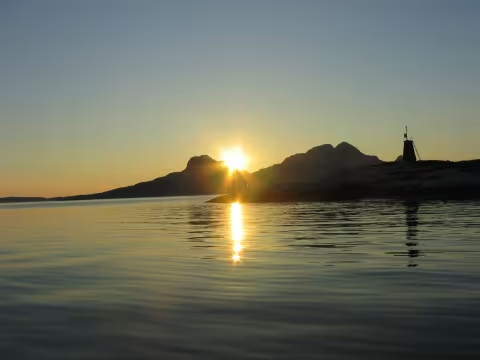
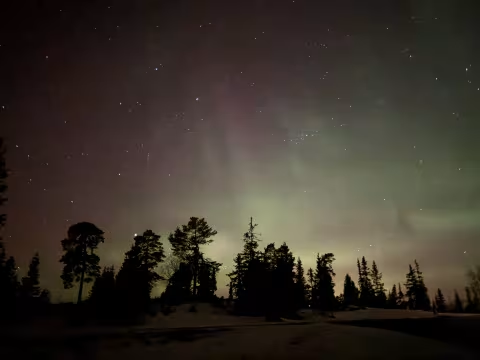
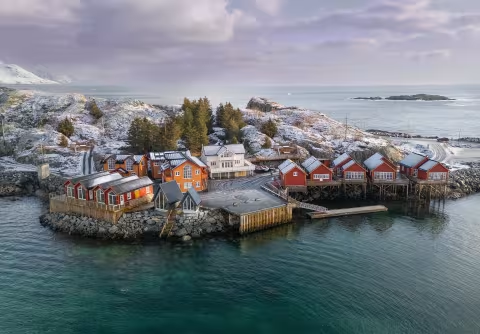
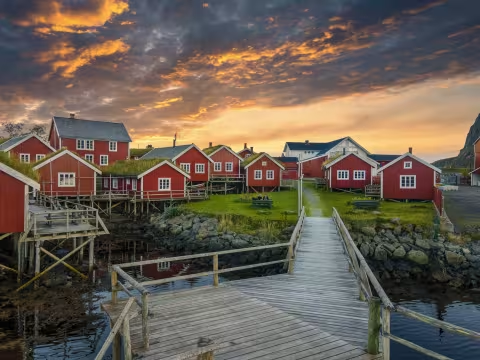
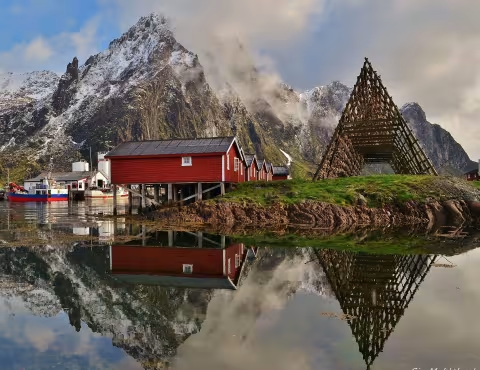
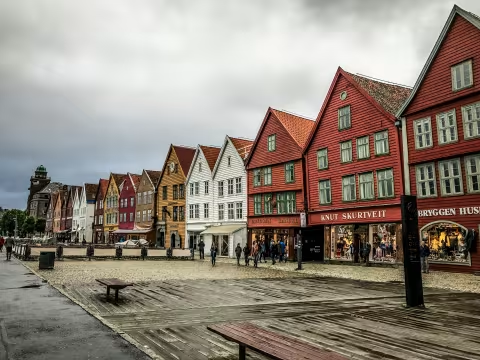
Norway stretches over 1,700 kilometres from south to north, and the accommodation changes as dramatically as the landscape. In the south you'll find country hotels and converted manor houses surrounded by farmland. Along the western fjords, historic hotels cling to the waterline in villages that haven't changed much in a century. In Lofoten, the classic stay is a rorbu, a traditional fisherman's cabin built on stilts over the harbour. Further north, above the Arctic Circle, lodges and wilderness camps are often built around a single purpose: watching the northern lights, midnight sun, or both.
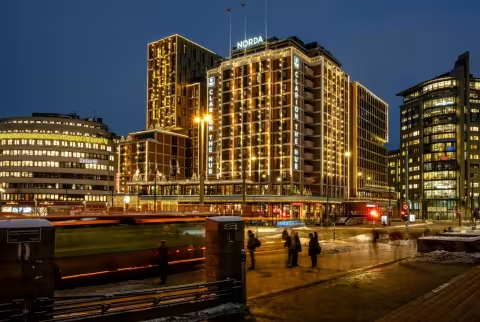
Cities like Oslo and Bergen have a solid range of boutique, luxury and design hotels, many of them small enough that the owners are still involved in the day-to-day. Outside the cities, the character shifts toward family-run guesthouses, mountain lodges tied to hiking networks, and an increasing number of architect-designed retreats in remote settings.
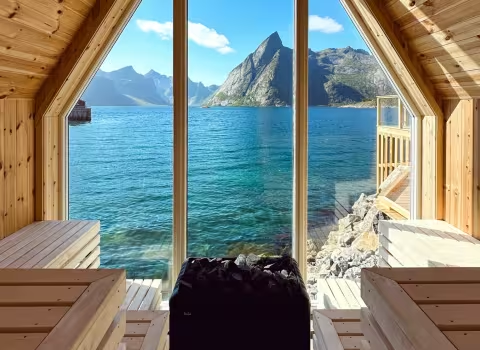
The biggest decision is about what role accommodation plays in your trip. The place you sleep often defines the experience of a destination more than the sights do. A glass-fronted cabin on a fjord headland gives you a completely different version of western Norway than a hotel in the nearest town. A rorbu on stilts above the water in Reine puts you in a different Lofoten than a Thon hotel in Svolvær. All good options, but very different experiences.
The articles below cover specific recommendations by region, and practical advice on choosing the right type of stay for different parts of the country.