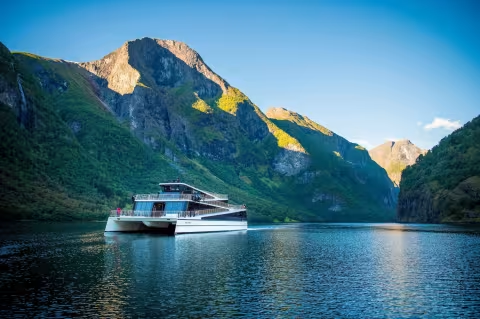
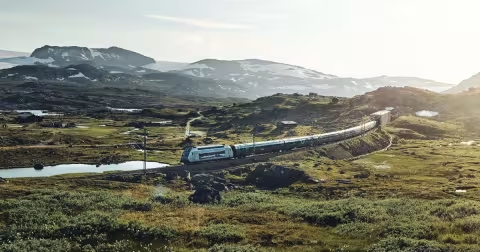
Norway is a long, narrow country with mountains down the middle and fjords cutting deep into the coastline. That geography determines how you travel. A journey might involve a flight connections, a bus or train connection, a ferry crossing, or all three.
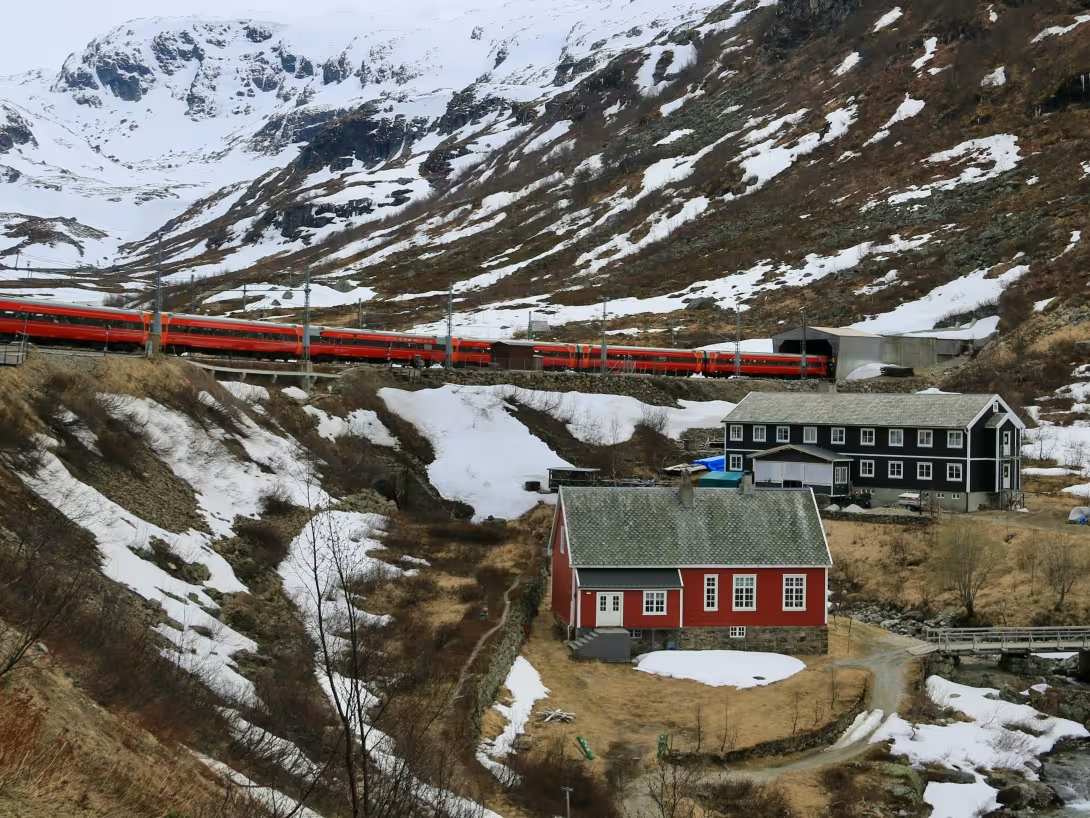
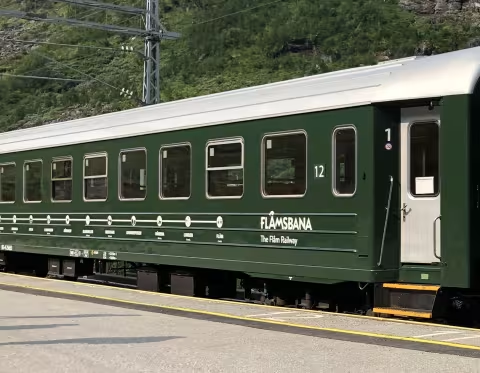
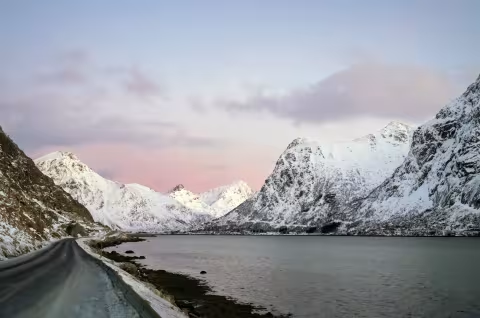
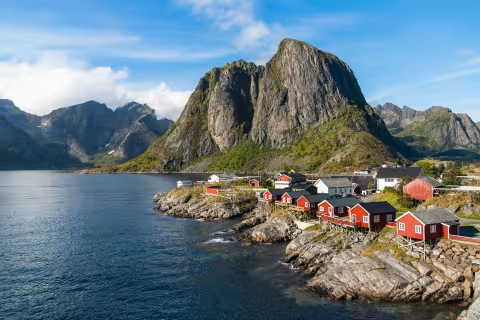
The rail network runs as far north as Bodø. South of that line, trains connect Oslo to Bergen, Stavanger, Trondheim, and several smaller towns, and some of these routes are spectacular, the Flåm Railway being the most popular. North of Bodø, there is no rail at all. Lofoten, Tromsø, Alta, Hammerfest, the North Cape — all of these require flights, buses, or driving.
Domestic flights cover an extensive route network, with small airports spread across the country, and for anything north of Bodø a flight is often the only practical option. Connections usually go through Oslo, Bodø, or Tromsø.
Taxis are expensive and should only be used for short trips where there are no other good options available.
The articles below cover specific routes, booking options, and how to piece together the different transport modes.