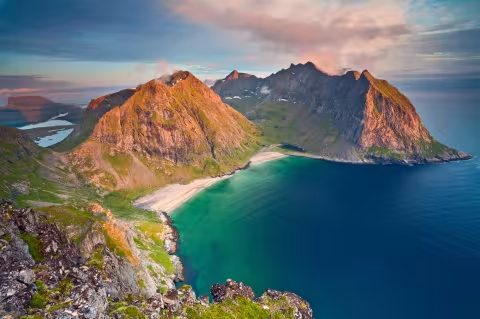
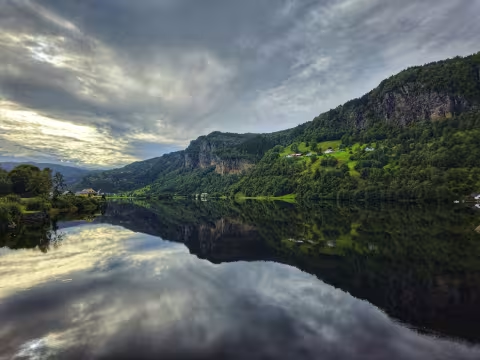
A road trip is the best way to see Norway. The public transport network has gaps, tour buses follow fixed routes, and the scenery between destinations is often better than the destinations themselves. Driving lets you stop when the view demands it, take detours down side roads, and reach places that buses and trains simply don't go.
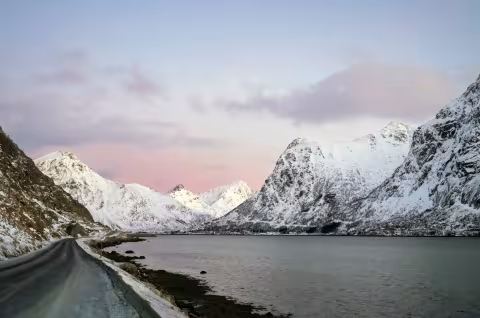
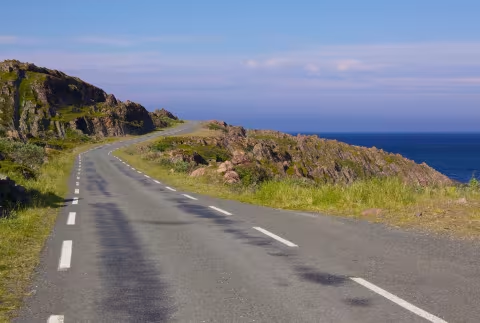
The roads are good. Norway has invested heavily in tunnels, bridges, and coastal highways, and even remote stretches are well-maintained. Single-lane roads exist in some areas, particularly on older mountain passes, but they're the exception rather than the norm. In winter, the main routes are ploughed and kept open, though some mountain passes close seasonally and driving conditions require more attention.
Tolls are automatic. Norway uses camera-based toll stations with no barriers, and rental cars are registered in the system. You won't stop at a booth, but you will get a bill. On a multi-day road trip through western Norway, toll charges add up, and it's worth factoring them into the budget. For longer trips order a toll tag for discounts. Familiarise yourself with all Norwegian driving rules, especially the blood alcohol limit is lower than in most countries and penalties are severe.
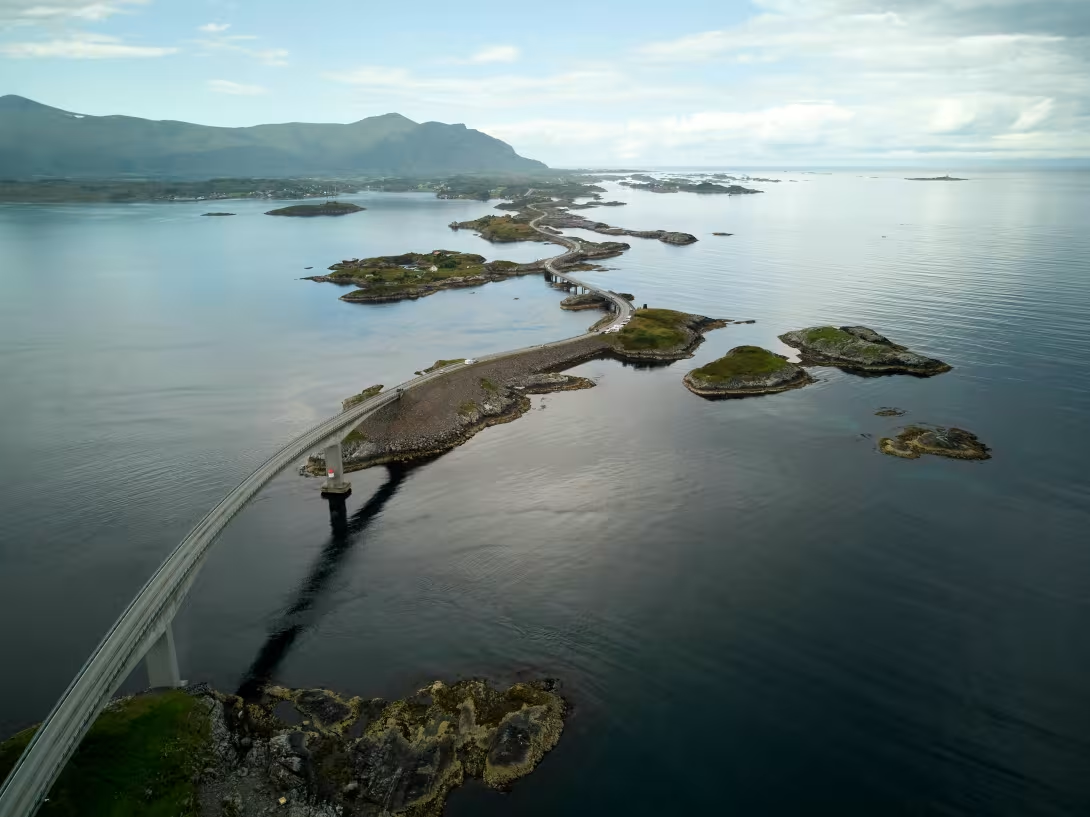
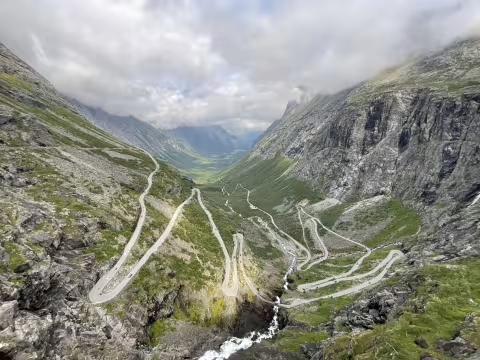
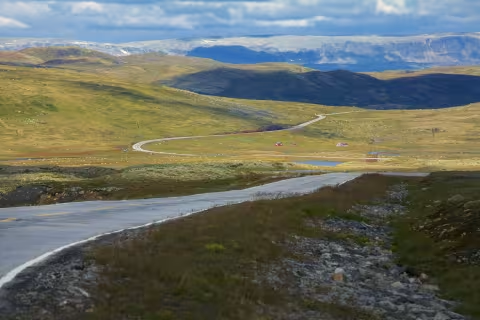
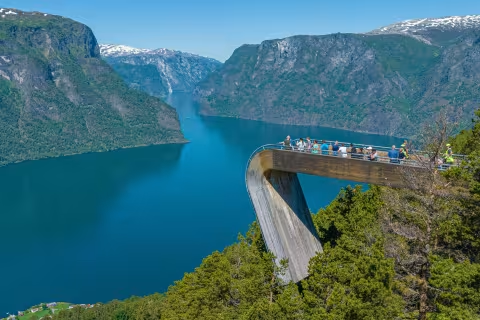
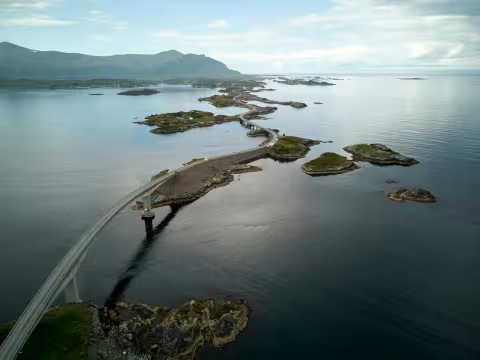
Norway has 18 designated National Scenic Routes, purpose-built driving roads through the most dramatic landscapes in the country. Several of them rank among the best driving roads in Europe. The Atlantic Road, Trollstigen, and the Lofoten coastal route get the most attention, but some of the quieter ones — Hardangervidda, Aurlandsfjellet, Hardangerfjord — are equally good and far less busy.
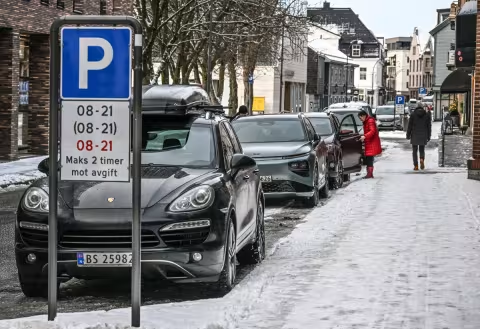
The articles below cover scenic routes, driving rules and tolls, parking, and detailed itineraries for road trips in different parts of the country.