
By: Chris ⎜ Last updated


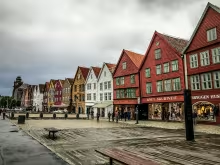




Bergen has three Michelin-starred restaurants, a legendary hot dog stand that's been grilling since 1946, and a 96-year-old fish cake recipe that was once shipped weekly to Norwegian embassy staff in Paris. You can still waste a lot of money eating badly here if you wander into the wrong place though, as Bergen is expensive. What follows will stop that from happening. Here´s a selection of 9 of the best restaurants in Bergen at all price points.
At a glance
| Restaurant | Vibe | Price | Best For |
|---|---|---|---|
Gaptrast Insider's Choice Fine Dining (2 Michelin Stars) | Intimate & focused | High | Zero-waste tasting menu & cider pairing |
Pingvinen Traditional Norwegian | Cozy & loud | Low–Med | Hearty home cooking (husmannskost) |
Cornelius Sjømatrestaurant Seafood | Scenic & maritime | High | Hyper-fresh seafood by the fjord |
Trekroneren Hot Dog Stand | Hole-in-the-wall | Low | Reindeer hot dogs & late-night bites |
Bryggeloftet & Stuene Traditional Norwegian | Old-school & popular | Medium | Bergen fish soup & traditional dishes |
The Daily Pot The Budget Pick Veggie-Forward | Tiny counter-service | Low | Organic plant-forward bowls & soups |
Søstrene Hagelin Budget Seafood | No-frills cafeteria | Low | Cheap traditional fish cakes on the go |
Enhjørningen Seafood | Historic & crooked | Medium | Atmospheric dining & mussel soup |
Marg & Bein Nose-to-Tail Eating | Quiet & residential | Medium | Braised ox cheeks & sharing menus |
Fine Dining (2 Michelin Stars)
Insider's Choice
Traditional Norwegian
Seafood
Hot Dog Stand
Traditional Norwegian
Veggie-Forward
The Budget Pick
Budget Seafood
Seafood
Nose-to-Tail Eating
Gaptrast
Chefs Kristian Vangen and Øystein Ellingsen earned their first Michelin star here as recently as 2025, just one year after opening, and 1st of June 2026 they received their second star. They'd already held a star at their previous restaurant Bare, so no one was exactly shocked when they received their first. The second star puts them in company with only three other restaurants in Norway with 2 or more stars, the others being Maaemo (3 stars) and Kontrast (2 stars), both in Oslo, and Re-Naa (2 stars) in Stavanger. Gaptrast is now one of the most coveted tables in the city, and it deserves to be.
The restaurant serves a single tasting menu, consisting of about 16 courses, built entirely around Western Norwegian ingredients. The kitchen runs a zero-waste philosophy, sharing secondary cuts with their sister restaurant Bark downstairs. Every dish comes with a story about where the ingredient was caught, foraged, or raised, and the storytelling shapes the meal.
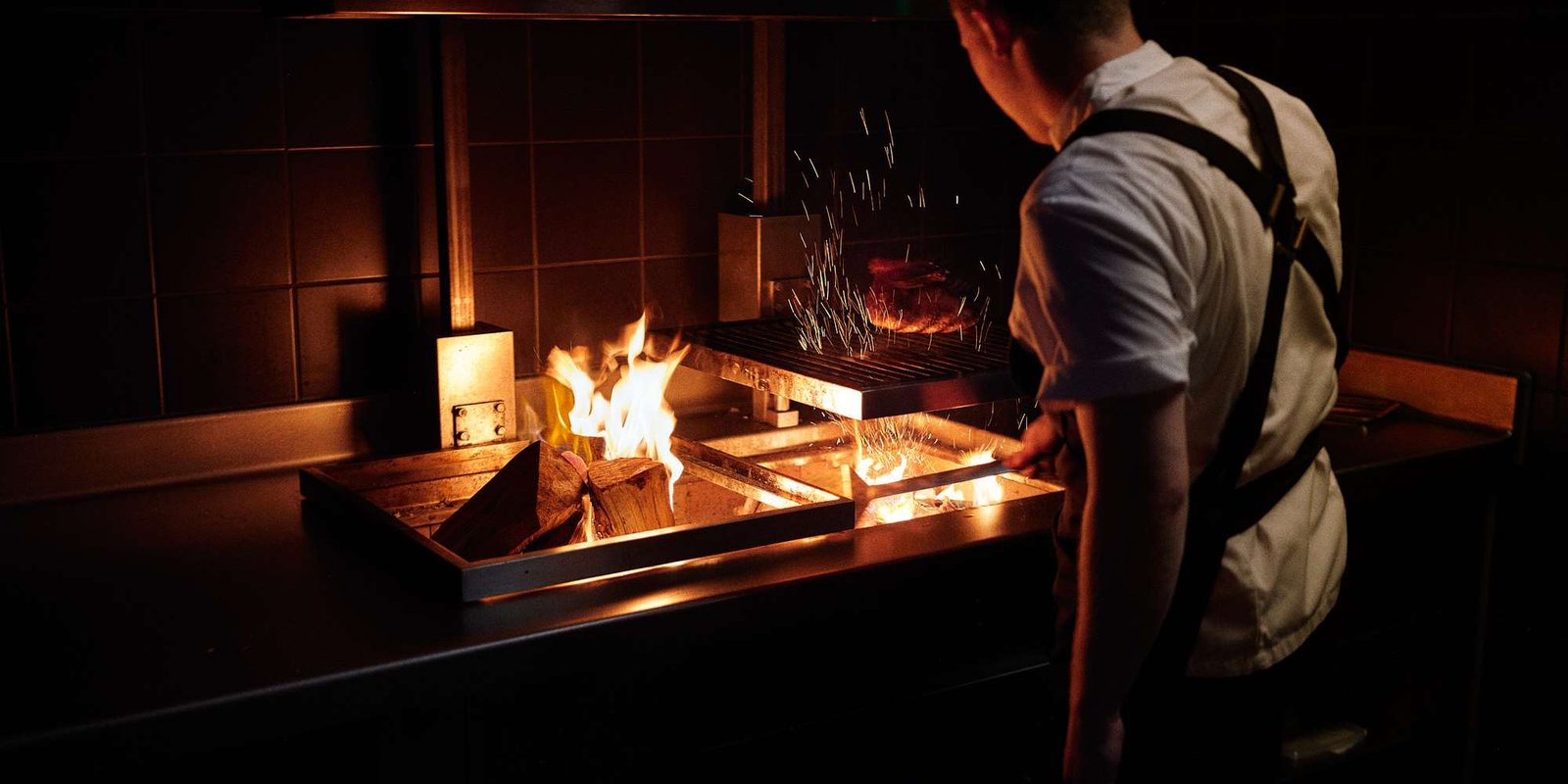
You start in a dim lounge upstairs with snacks and a glass of Hardanger cider, then move to the main dining room. The open kitchen will draw your attention, where a charcoal fire is blazing and the chefs working in near-silence.
Go for the Hardanger cider pairing over the standard wine pairing. It features locally produced apple ciders throughout the meal and connects everything back to the region in a way imported wine doesn't. You should budget around NOK 5,000 per person with the pairing.
Pingvinen
Pingvinen serves husmannskost (traditional food), the hearty home cooking that Norwegians have grown up eating. Think more along the lines of grandmother's kitchen, the complete opposite of the contemporary cooking at Gaptrast.
The interior features penguin art on the walls and mismatched furniture. The clientele is a mix of students, office workers, and tourists. There's an excellent craft beer selection on tap. Bergen Card holders get 10% off.
Order the fish pie (fiskegrateng), with shredded cod in a thick cream sauce with golden crust on top, served with boiled potatoes and seasonal vegetables. It's been on the menu since the beginning and it's the most praised dish across the board.
The reindeer steak with mushroom sauce is the other must-order. Tender, slightly gamey, and served with a rich brown gravy that pools around the mashed potatoes. It's far better than the overpriced tourist versions on Bryggen, and cheaper too. They also serve whale steak if whale is something you want to try (whale generally is not a highlight, though, and is not something Norwegians normally eat).
Cornelius Sjømatrestaurant
Cornelius Sjømatrestaurant is located on Holmen, a small island in the Bergen archipelago, and the only way to get there is with the restaurant's own boat from Dreggekaien quay on Bryggen. The 25-minute ride through the skerries, with the coastline opening up around you, sets the tone for the evening.
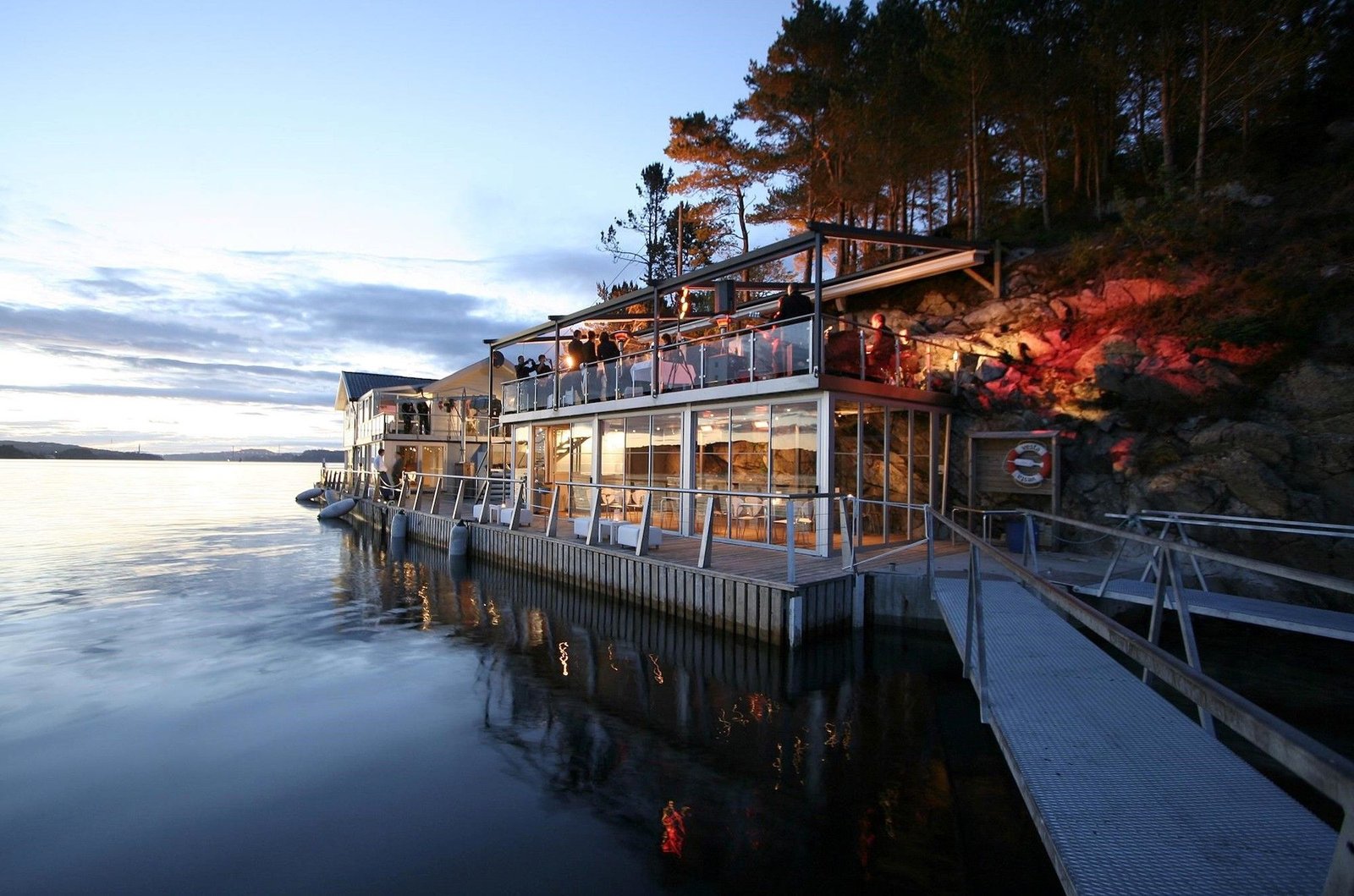
The dinner boat departs at 18:00 and returns at 22:30. Lunch departs 11:30 and returns 14:30. The ride is included in your booking. When you arrive, owner Alf Roald Sætre, a diver who goes by the nickname "Skjellmannen" (the shell man), might be around. He still hand-dives for horse mussels and keeps shellfish alive in seawater tanks on site until they hit the plate.
The kitchen runs what they call a "Meteorological Menu." The chefs decide what to cook based on the day's weather and whatever catch was brought in that morning. Expect five courses of hyper-fresh seafood, including a raw bar. In summer, they slide the doors open and serve lighter dishes on the quay with the salt air coming off the fjord, while in winter it's a cozy atmosphere with candles and fireplace.
Budget in excess of NOK 2,000 per person for dinner.
Trekroneren
Trekroneren is a hole-in-the-wall hot dog stand on Kong Oscars Gate, which has been open since 1946. There's no seating, and barely a counter. Here you grab a hot dog and keep moving. The hot dogs are particularly popular as a weekend late night snack. Don't be surprised if you see a queue at 2 AM on a Saturday.
Order the reindeer hot dog (reinsdyrpølse) with lingonberry sauce, mustard, and crispy fried onions. The sausage is savoury with a mild gaminess, and the sweet-tart lingonberry cuts through it perfectly. At 150 grams or more, these are full-meal sausages and one is often enough.
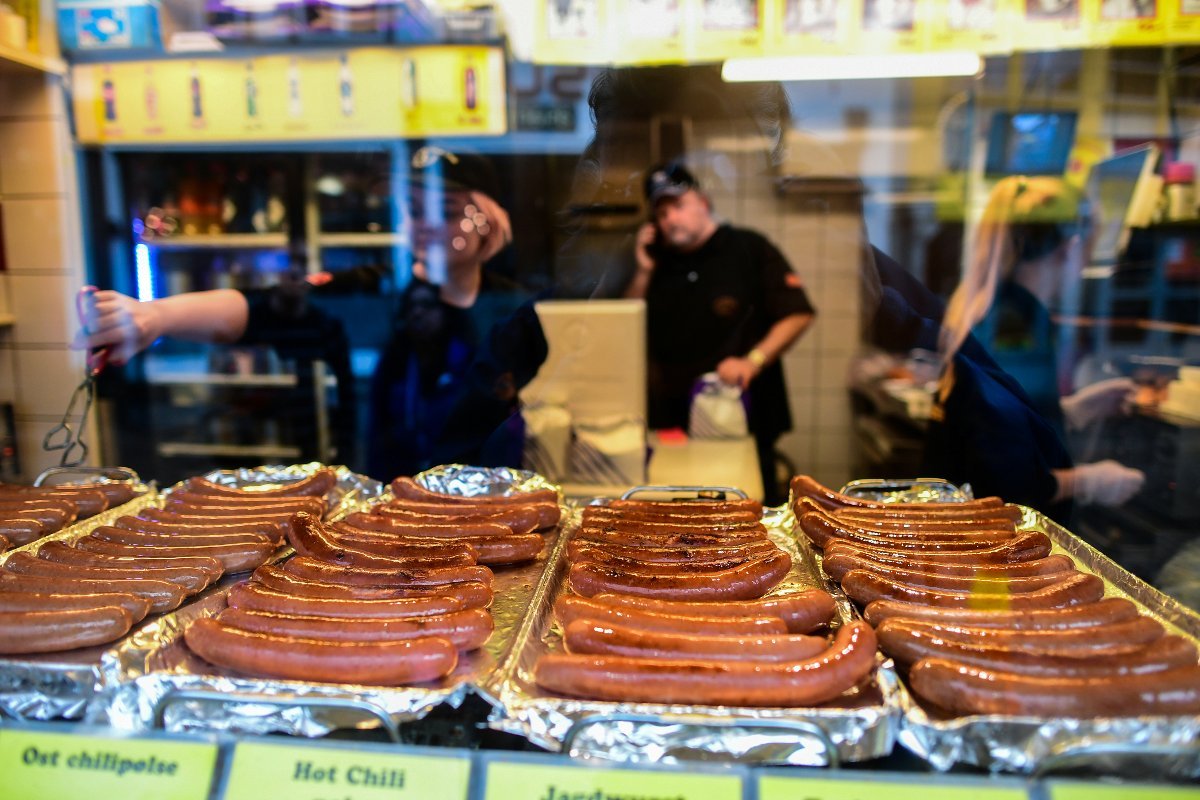
The stand is open 364 days a year, until 3:00 AM. It works equally well as a quick sightseeing lunch or a post-bar stop at closing time.
Bryggeloftet & Stuene
Bryggeloftet & Stuene is a Bryggen restaurant that's popular with locals and tourists alike. Bryggeloftet has been serving traditional Norwegian food at Bryggen for decades. Come for the Bergen fish soup (Bergensk fiskesuppe). It's thick, creamy, loaded with prawns, mussels, and flaky white fish, and served with sourdough bread and thin crisp bread on the side. If you eat fish soup once in Bergen, you should eat it here.
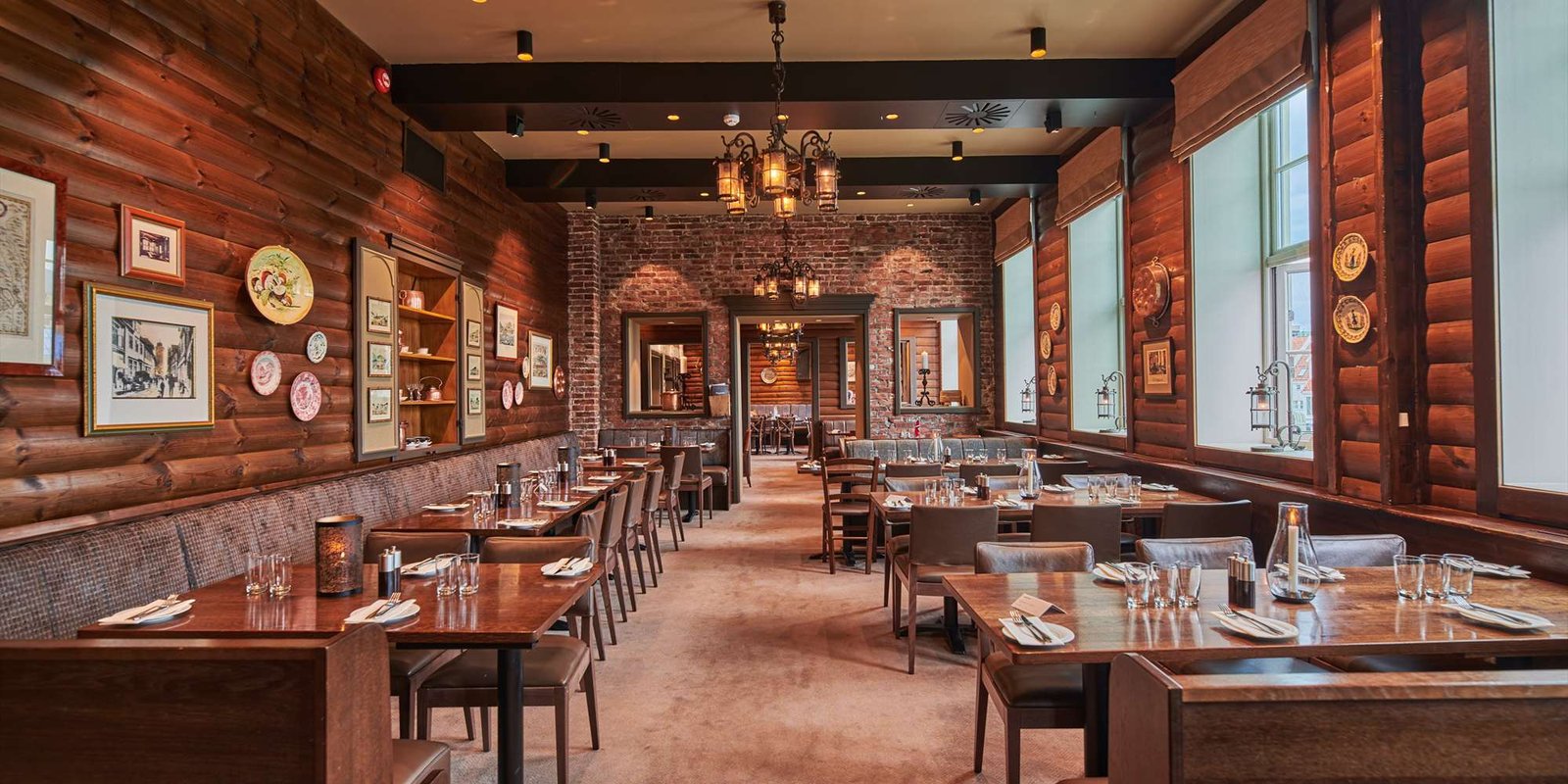
The open-faced shrimp sandwich is piled absurdly high with local shrimp and house-made mayonnaise. The reindeer steak with brown gravy is also a safe order.
The old-school decor includes ship models in glass cases, exposed timber, oil paintings of Bergen's harbour.
Request a second-floor window table when you book, as it looks out over the wharf.
The Daily Pot
The Daily Pot is a tiny counter-service spot with just about ten seats and a rotating menu of eight soups and power bowls. Everything is built around organic vegetables, legumes, and fermented foods. The flavours pull from all over, Norwegian root soups one day, Red Thai coconut curry the next, but the ingredients stay local and seasonal.
The bowls come in one size; big, and two people can comfortably share one. The soups come in three sizes, but there's no need to go large unless you're really hungry, even the medium is a full meal. A bowl of the red curry with pickled broccoli and coconut milk smells like a Thai kitchen.
Nearly the entire menu is naturally gluten-free, with all allergens clearly marked. For a seafood-heavy city, this is the best option if you eat plant-forward.
Søstrene Hagelin
In 1929, two sisters from Sogndal, Elna and Gudrun Hagelin, opened a seafood shop in Bergen. Their fiskekaker (fish cakes) became so well known that King Olav V had them delivered to Gamlehaugen, the royal residence in Bergen, whenever he was in town, and the Norwegian embassy in Paris received weekly shipments.
This is a counter-service no-frills cafeteria with 32 seats inside. You grab a seat if you can find one and order at the counter.
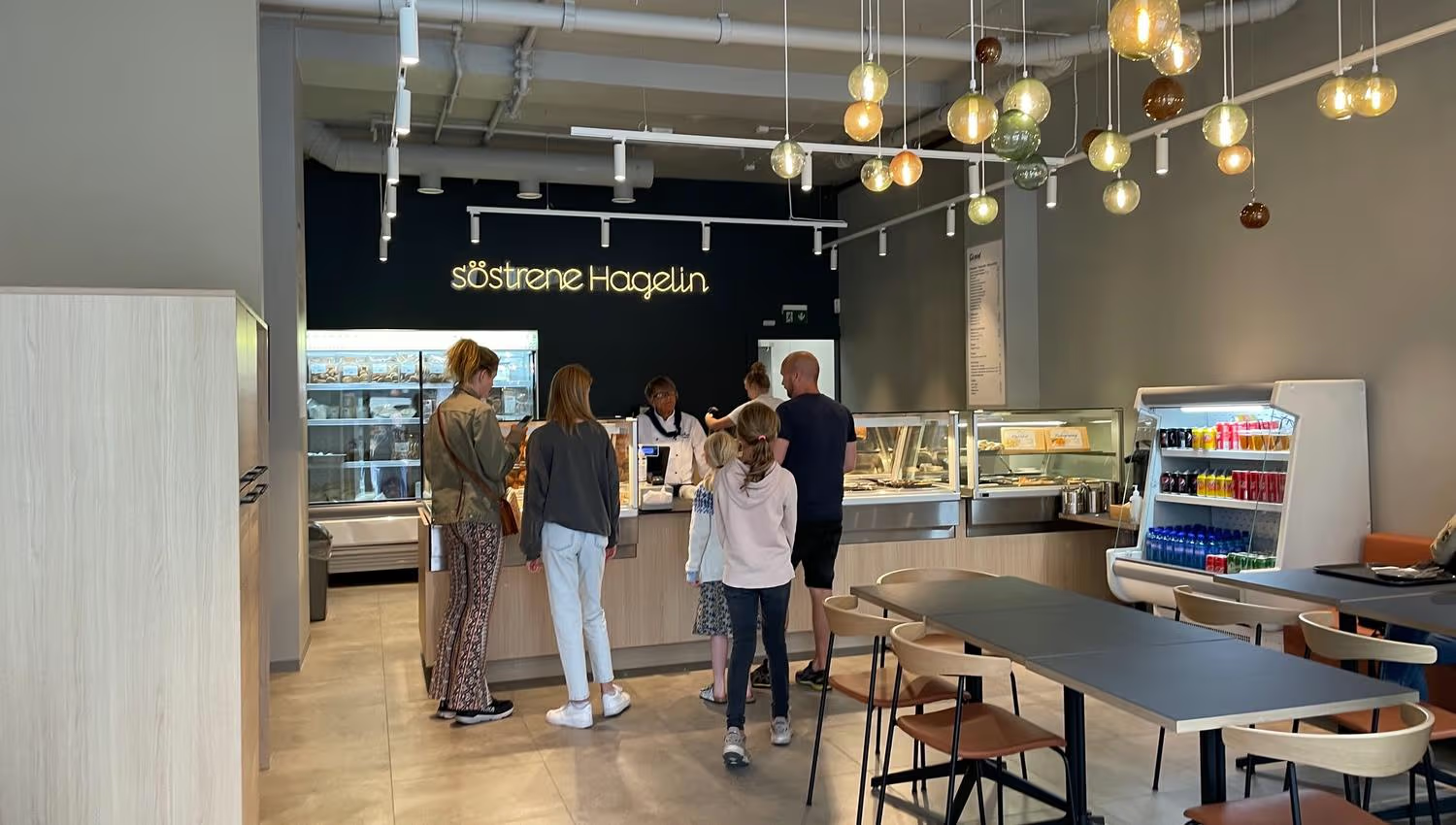
The recipes haven't changed since opening. The fish cakes are still made from fresh haddock fillet, mildly spiced, pressed into their distinctive heart shapes. Bite into one and the texture is somewhere between a dumpling and a light fritter, delicate and slightly springy. The fish soup is rich, creamy, and a steal by Bergen standards.
If you can't find a seat, do what locals do: grab a warm fish cake wrapped in a napkin and eat it while walking through the city. In summer, they sometimes set up a trolley outside selling hot soup and fish cakes for takeaway.
Enhjørningen
The building on Bredsgården dates to the early Middle Ages. The timber walls have stood for centuries, and the dining room on the upper floor has been restored to its 18th-century condition, when a Hanseatic merchant used the narrow building as both living quarters and warehouse, and the whole room tilts slightly to the left.
The menu is more or less seafood only, with maybe a couple of meat dishes. The mussel soup is the signature, rich and warming with curry, garlic, and saffron. The catch of the day changes based on what has come in earlier in the day. The wine list is extensive and more reasonably priced than you'd expect for the location.
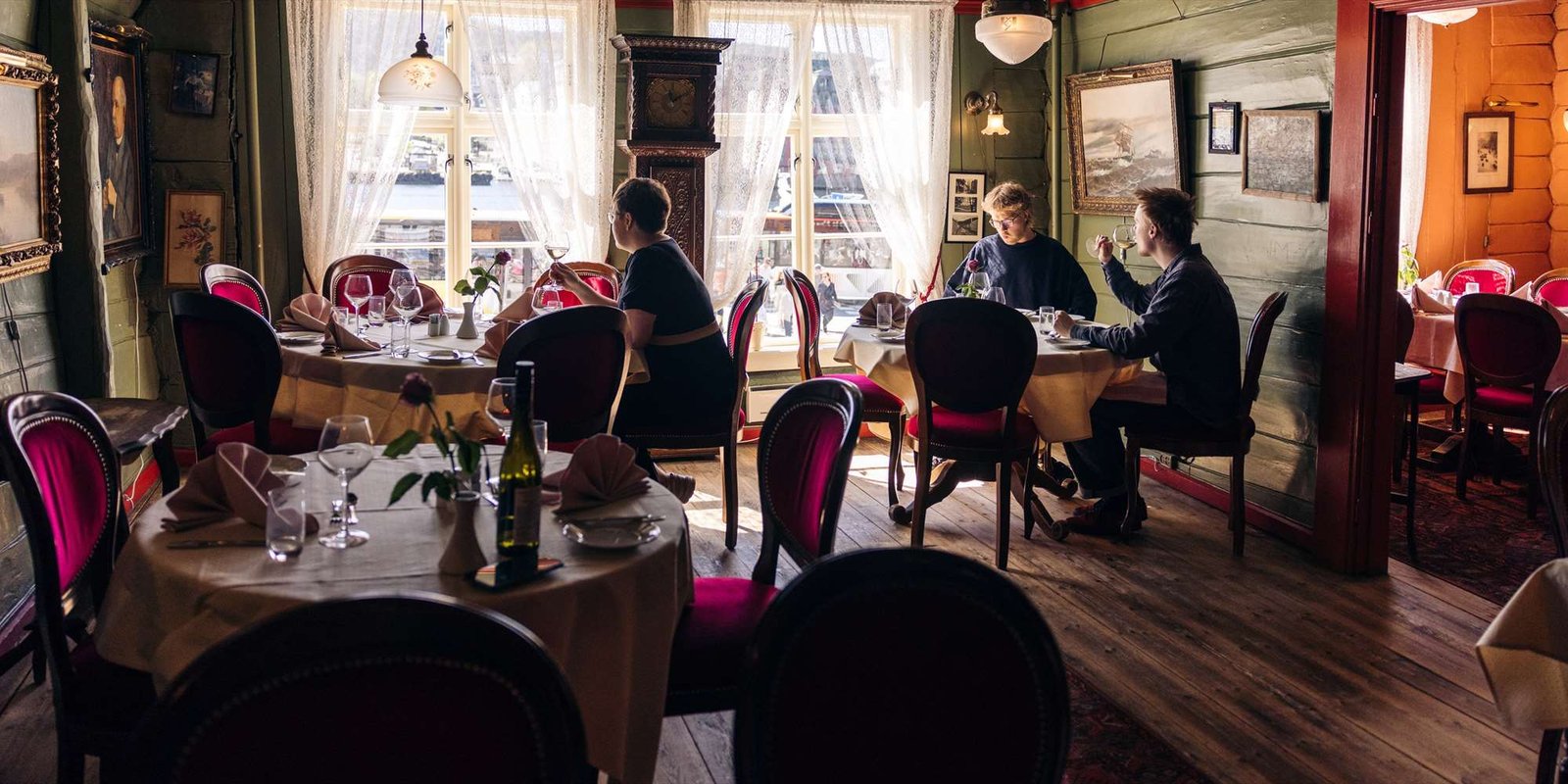
It's a la carte, so you can eat for as little as a couple of hundred kroner or push well past 1,000. The sister restaurant To Kokker, run by the same group, offers a set tasting menu if you rather prefer that.
Marg & Bein
Marg & Bein is ten minutes on foot from the tourist centre, near the University Museum. The neighbourhood is residential and quiet, and the food is great, which is why locals eat here instead of on Bryggen.
The kitchen works with the whole animal, nose-to-tail. The braised ox cheeks are the signature. Cooked low and slow until they're spoon-tender, served over creamy potato mash with root vegetables. The roasted bone marrow starter arrives bubbling in the split bone, rich and fatty, scraped onto sourdough with cornichons and red beet. The menu changes frequently based on seasonal availability, but the ox cheeks appear most of the time.
Order the sharing menu. It's the best way to try the menu, and the portions are generous enough that you will leave full.