
By: Chris ⎜ Last updated


Oslo is compact enough to cover in three days without a car, and most of the major sights sit within walking distance of each other along the waterfront. This itinerary runs east to west across the city. Each day is built around one area, with restaurants and bars slotted in nearby.
Where to stay
Your hotel choice matters here because Oslo's neighbourhoods have different characters. Here are five options across price points, all well-located for this itinerary.
Sommerro Hotel
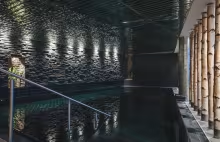
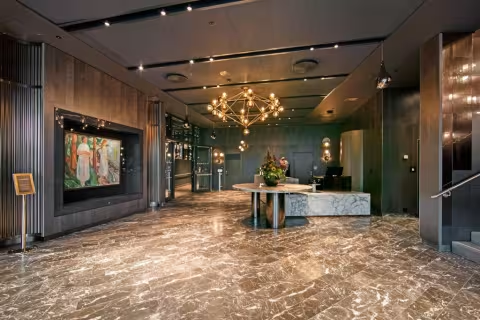
The current favourite among locals with money to spend. A restored 1930s Art Deco building in the Frogner district with a rooftop pool, seven restaurants and bars, and a wellness area built into the original 1920s public baths. Ekspedisjonshallen, the all-day brasserie on the ground floor, has live jazz every evening against an original Per Krohg wall fresco. The breakfast is outstanding, guest after guest calls it the best they've had in any hotel. Book restaurants in-house before you arrive, they fill up.
Sommerro Hotel: Oslo´s art deco urban resort
Amerikalinjen
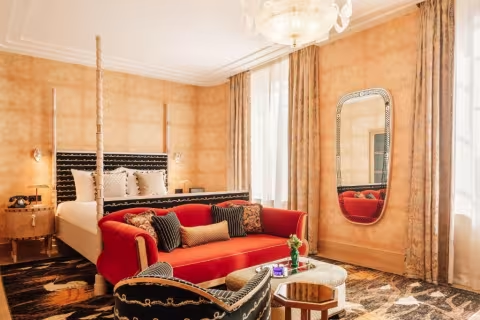
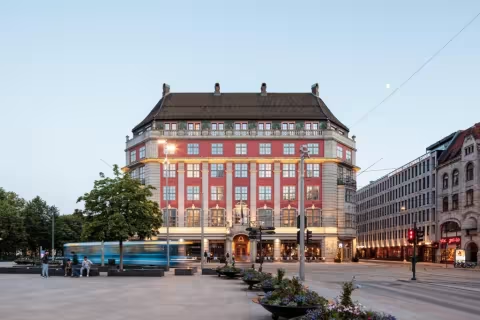
Housed in the former headquarters of the Norwegian America Line (the shipping company that took thousands of Norwegians to the US), this boutique hotel sits a two-minute walk from Oslo Sentralstasjon. Step off the Flytoget airport express and you're at the front desk. The rooms blend period details with Scandinavian design. Pier 42, the lobby cocktail bar, serves drinks themed around decades of Norwegian-American history, and it's a proper bar, not the usual hotel afterthought. The surrounding block isn't Oslo's prettiest, you're near the central station, after all.
Amerikalinjen: Oslo's Michelin Key boutique hotel
The Thief
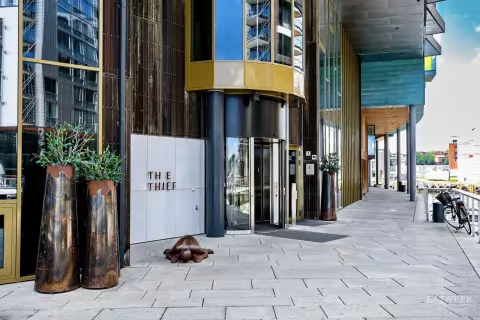
On Tjuvholmen, a waterfront neighbourhood that was built for thieves and smugglers centuries ago. Now it's sleek, modern, and packed with contemporary art, some of it on the hotel walls (original Warhol and Gormley pieces). The rooftop bar has fjord views, and there's a proper spa with a hammam. Quieter than the city centre, which is either a pro or a con depending on what you want.
The Thief: Oslo's moody luxury art hotel
Clarion Hotel Oslo
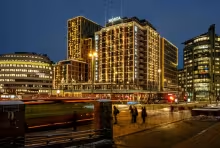
In the Barcode district of Bjørvika, about five minutes on foot from Oslo S. Modern, clean, and functional rather than charming, but the location is hard to beat. The Opera House and MUNCH are practically next door. The breakfast is the main draw: a massive buffet with barista coffee and omelette chefs that guests consistently rate as exceptional. Rooms are comfortable but not huge. Ask for a higher floor away from the street for a quieter stay. The downstairs Shutter Bar does decent cocktails if you don't feel like going out.
Clarion Hotel Oslo: Munch museum at your doorstep
Getting from the airport
Getting from Oslo Airport Gardermoen to the city takes about 20 minutes on the Flytoget airport express train. It costs more than the regular Vy train but it runs every 10 minutes, and has guaranteed seating. The Vy train however is just as fast and half the price. For Amerikalinjen, get off at Oslo S. For Sommerro or The Thief you take the train to Nationaltheateret. Take the western exit at Henrik Ibsens gate for Sommerro, the hotel is right by the exit. For The Thief, you take the main exit by the National Theatre and grab a taxi (or walk for 15 minutes).
Oslo Airport to city center: Save money on the airport transfer

Day 1: Bjørvika and the Waterfront
Morning: Opera House and MUNCH
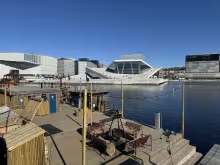
Start at the Oslo Opera House. Get there early, around 9 AM, and walk straight up the sloping marble roof. It's free, open year-round, and at that hour you'll have it almost to yourself. The building was designed by Snøhetta to mimic a glacier sliding into the fjord. Wear shoes with grip, especially if it's been raining.
Spend 20 minutes up top. The views stretch across to Akershus Fortress, the fjord islands, and the entire Bjørvika waterfront. Then head inside and wander the oak-panelled foyer, the woodwork is beautiful, like a wave frozen mid-curl.
Oslo Opera House: Climb the fjord’s marble glacier
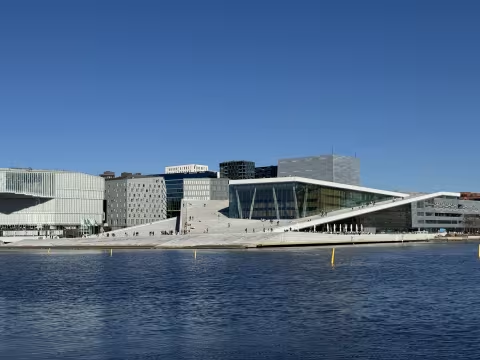
From the Opera House, it's a five-minute walk to MUNCH. The 13-storey building leans at an angle towards the fjord, and it holds the largest collection of Edvard Munch's work anywhere, close to 27,000 pieces.
Here's the strategy: go straight to the fourth floor. That's where The Scream lives. The museum rotates three versions of the painting (oil, pastel, and lithograph) behind a screen that opens periodically, and crowds build fast after 11 AM when cruise ship passengers arrive. If you're there at opening time, you can stand in front of it without someone's phone blocking your view. Then work your way down through the other floors. Because the three versions of The Scream rotate throughout the day, you can come back at the end of your visit and see a different one. The oil painting, the pastel, and the lithograph are strikingly different up close.
Book tickets online in advance, especially during summer. Walk-up availability can't be guaranteed, and the timed entry system means you might lose an hour waiting for the next available slot. Wednesday evenings are free (18:00–21:00) but not offered in July and August.
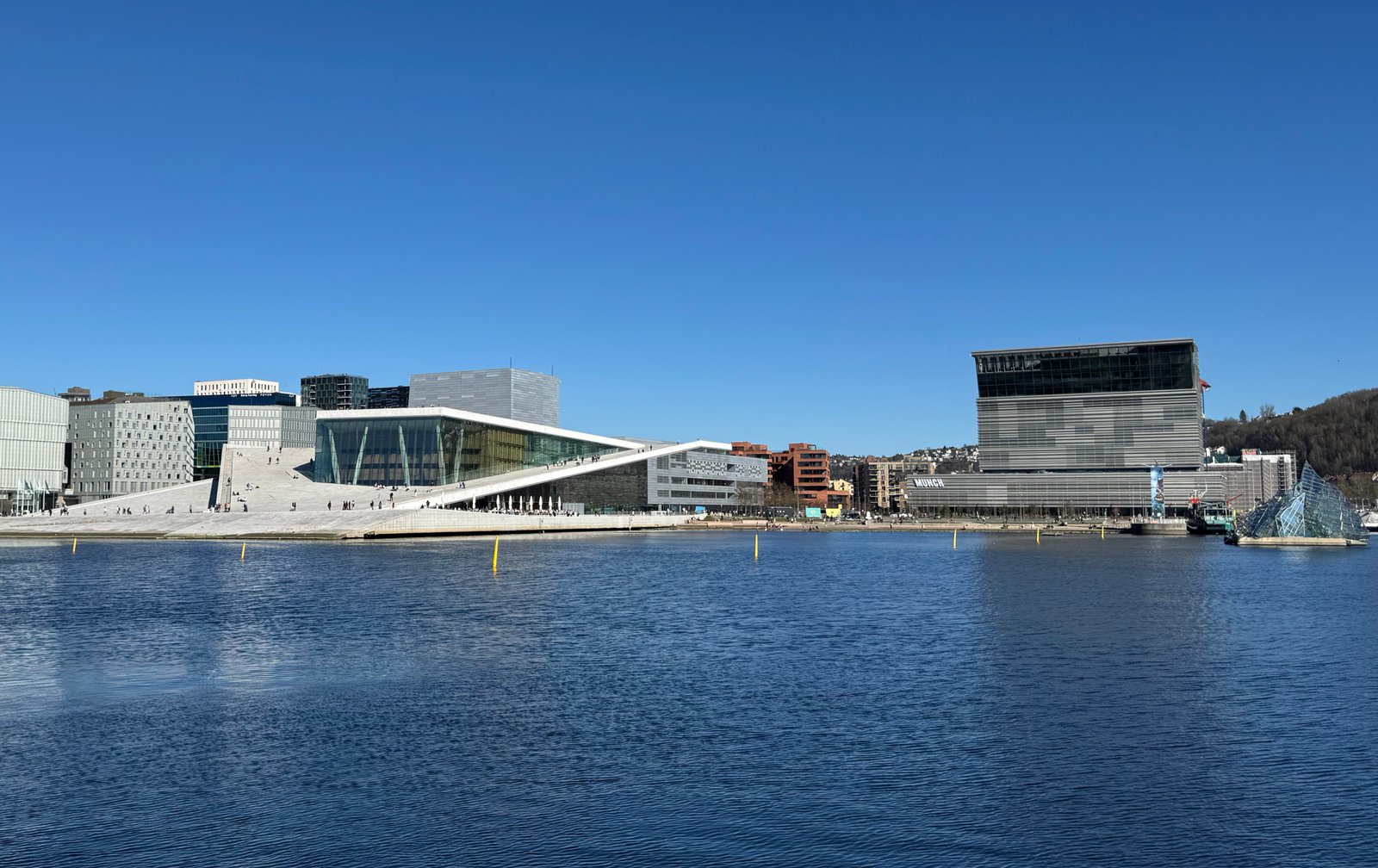
Budget around two to two and a half hours for MUNCH. Before leaving, take the lift to the 12th floor. Bistro Tolvte does a decent lunch with a view, or head one floor up to Kranen, the rooftop bar, for a drink overlooking the city and fjord.
Afternoon: Aker Brygge and Tjuvholmen
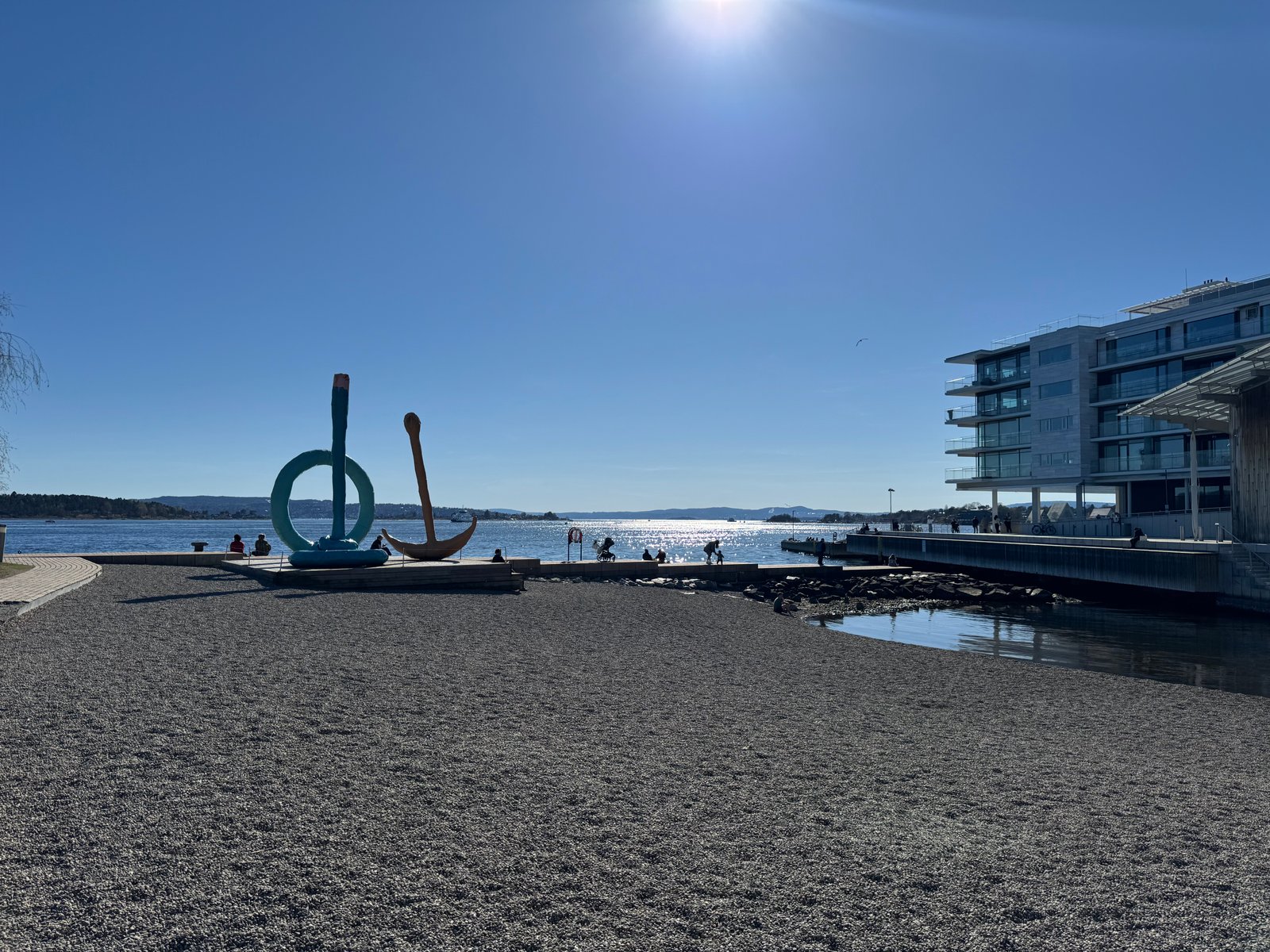
Walk along the waterfront promenade to Aker Brygge. The boardwalk restaurants here look great but are expensive and mostly average, skip sitting down at any of them. Instead, walk through to Tjuvholmen and visit the Astrup Fearnley Museum if contemporary art interests you. The Renzo Piano-designed building has a sail-shaped glass roof arching over the harbour. The permanent collection includes Damien Hirst, Jeff Koons, and a strong roster of Scandinavian artists.
Dinner
Arakataka on Mariboes gate is the play for your first night. It's been quietly delivering one of Oslo's best five-course tasting menus for over a decade, at a price that's well below the white-tablecloth competition. The spaghetti with butter sauce and løyrom (vendace roe) is a signature dish that regulars come back for. The wine list leans natural. Book in advance.
Day 2: Frogner, Vigeland, and Grünerløkka
Morning: Vigeland Sculpture Park
Take tram 12 from the city centre to Vigeland Park. The park is free, open 24/7, and contains over 200 sculptures by Gustav Vigeland depicting the human life cycle from birth to death. It sounds heavy, but the effect is stranger and more affecting than you'd expect. The 17-metre granite Monolith, 121 intertwined human figures carved from a single block of stone, is the centrepiece.
Vigeland Sculpture Park in Oslo: A walking guide including map
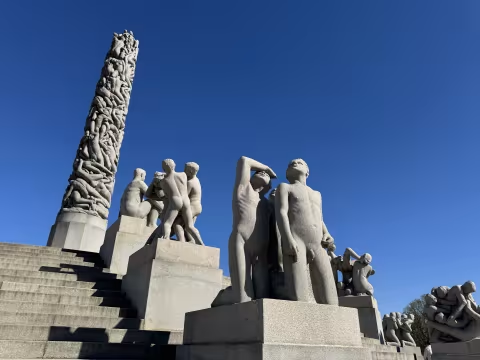
Go early. By mid-morning the tour groups arrive and cluster around the famous Sinnataggen (Angry Boy) statue near the bridge for photos. Before 10 AM, the park is mostly joggers and dog walkers. Take an hour to walk the main axis from the gate to the Monolith, then loop back through Frogner Park's green lawns.
Sinnataggen Oslo: The Vigeland Park´s mascot toddler
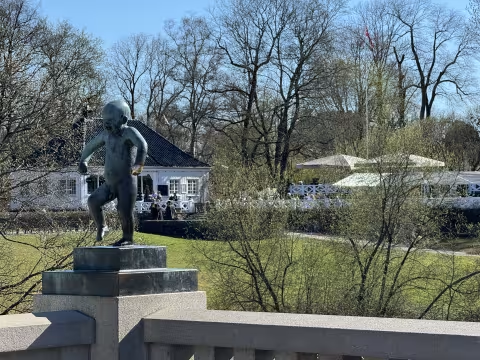
This is the "Mona Lisa" of Oslo. And just like the Mona Lisa, you might be surprised of how small it is.
Late Morning: The National Museum
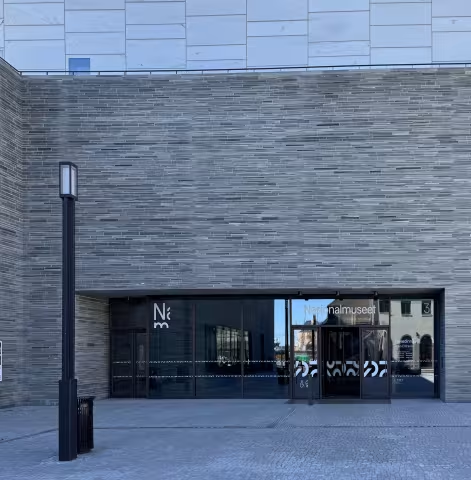
Hop back on the tram towards the city centre and walk to the National Museum on Brynjulf Bulls plass. Opened in 2022, it's the largest art museum in the Nordics. The building itself is a massive, restrained rectangle, don't expect fireworks from the outside.
Inside, head to the Munch room on the second floor. Yes, more Munch, but this is where the most famous version of The Scream hangs (the tempera-on-cardboard one), and the room is usually less crowded. The National Museum also holds a strong collection of Norwegian landscape painting, J.C. Dahl, Harald Sohlberg, Kitty Kielland — that's worth more than a quick pass-through.
Two hours is enough for a focused visit. Skip the gift shop, it's overpriced.
National Museum Oslo: How to visit & what to see
Afternoon and Evening: Grünerløkka
This is Oslo's equivalent of Shoreditch, Williamsburg, or Le Marais, gentrified, walkable, and full of good food and coffee. Take the tram to Olaf Ryes Plass in the middle of Grünerløkka.
Start with coffee at Tim Wendelboe on Grüners gate. Tim is a former World Barista Champion. The place is tiny, a stripped-back espresso bar with a roaster in the middle of the room and no food menu. Arguably Oslo´s best espressos. Alternatively order whatever filter coffee they're brewing that day, they always have a menu with several coffees to choose from. Expect a short wait at peak hours. Longer queues at weekends.
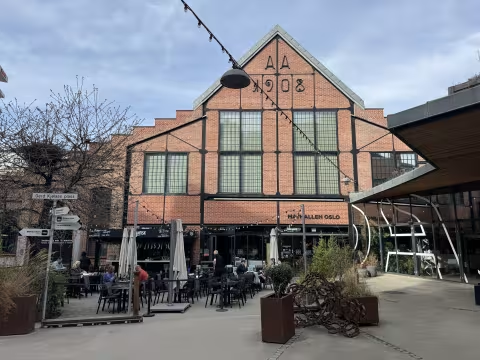
From there, wander through the neighbourhood. Pop into Mathallen at Vulkan for lunch, Oslo's main food hall, it's not huge, but the quality is high. Good place to grab a light lunch from one of 30-odd vendors.
Mathallen Oslo: The insider’s guide
Dinner
Smalhans on Ullevålsveien is a neighbourhood favourite that's held a Michelin Bib Gourmand since 2015. The name means "frugal living", shared plates, a set evening menu, natural wines, and prices that feel fair for what you get. Book ahead, it's small. The veal tartare and their Sami-inspired gahkko bread are standouts. 30 minutes walk from the Central Station or about 15 minutes with the 37 bus.
Evening drinks
Himkok on Storgata is a must. Ranked number 14 on the World's 50 Best Bars list, it's a multi-room speakeasy that distils its own gin, vodka, and aquavit on-site. The entrance is easy to miss, just an unassuming wooden door in an alley. Downstairs is the main cocktail bar; upstairs has draft cocktails. Try the Birch, their signature dry martini twist with birch sap, meadowsweet, and a blue cheese olive.
For something quieter, Torggata Botaniske nearby is a cocktail bar filled floor to ceiling with plants. The drinks lean botanical, and you can hear yourself talk, rare for a bar this central on a Friday night.
Day 3: Bygdøy, the Fjord, and Loose Ends
Morning: Bygdøy Peninsula
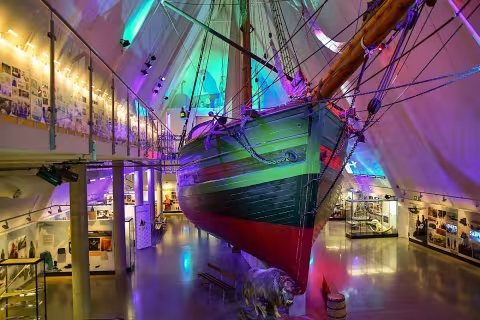
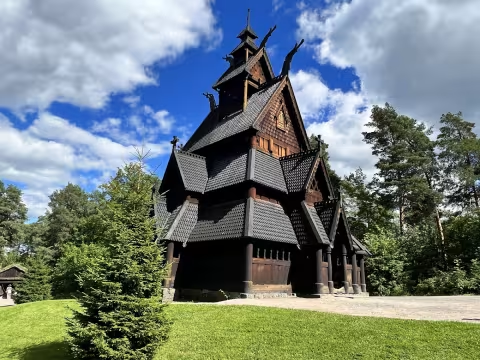
Take the ferry from Aker Brygge to Bygdøy (runs frequently in season, about 10 minutes). This peninsula is home to several museums, the Fram Museum (housing the actual polar exploration ship) and the Norwegian Museum of Cultural History (an open-air museum with over 150 relocated buildings, including a stave church) are the two worth your time.
Fram Museum Oslo: The polar ship you can board
Norsk Folkemuseum: Oslo's open-air museum on Bygdøy
The Viking Ship Museum has been closed for a major renovation into the new Museum of the Viking Age. Check current status before you go, reopening has been delayed past the original timeline.
Afternoon: Oslofjord
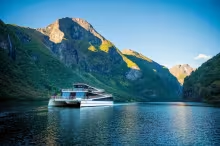
If the weather cooperates, book a fjord cruise from Aker Brygge. The electric catamaran tours by Brim Explorer run quietly and get you out among the islands without the diesel engine roar. Alternatively, take one of the public ferries to the islands — Hovedøya or Gressholmen are close, cheap to reach, and surprisingly empty even in summer.
Hovedøya Island: Oslo's best half-day escape by ferry
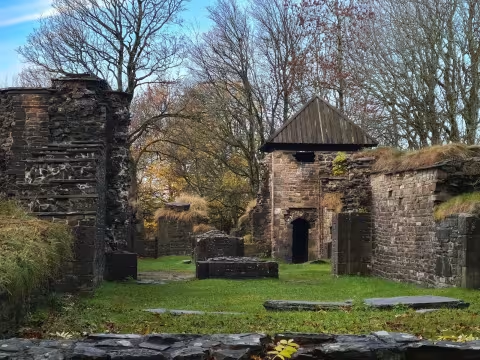
Seven minutes on the ferry from Aker Brygge, and you're standing on an island with 12th-century monastery ruins, Napoleonic cannon batteries, swimming rocks dropping into the Oslofjord, and the kind of quiet you normally don´t find in a capital city. Hovedøya sits 800 metres from downtown Oslo.
Farewell Dinner
Kontrast in Vulkan is a two-Michelin-star restaurant that takes local sourcing seriously. The tasting menu is built around Norwegian ingredients and changes with the season. Not cheap, but this is where to spend if you're picking one big dinner. Book well in advance.
For something slightly less formal, the excellent Hot Shop´s single Michelin star comes attached to more reasonable prices and a genuinely relaxed atmosphere. The catch: it's wildly popular. Tables drop at midnight on the first of each month for three months out, and they go fast, set a reminder if you want a shot.
For an excellent meal at a more modest price, Le Benjamin is the place to go. It holds a Bib Gourmand, Michelin's nod to serious cooking at reasonable cost, and has the kind of loyal following that means you'll need to book ahead rather than just show up and hope.
If you want to go all out on your last night, Maaemo is the one. Three Michelin stars, a tasting menu built entirely from Norwegian ingredients, and a bill to match. Worth it if this is your kind of thing, but book well in advance.
Drinks
For drinks, head to Svanen on Karl Johans gate. Set in a heritage-listed 1896 pharmacy with original mahogany, marble columns, and ceiling paintings of Greek gods of medicine. The menu takes ingredients from the Latin labels on the apothecary drawers: gentian, rowanberry, fennel, juniper. Try the Nordic Tiki (aquavit, orange liqueur, bitters). Same creative DNA as Himkok but a completely different feel, more elegant and intimate, with alcoves that look like old railway carriages.