
By: Chris ⎜ Last updated

Oslo has quite a few high quality specialty coffee shops, these are our selection of the best cafes in 2026 if you want really good coffee.
Scandinavia produced the baristas who won six of the first seven World Barista Championships, with Oslo leading the charge. The people who shaped the modern specialty movement, who invented the Nordic light roast and rewired how coffee is sourced globally, are still here.
What "Nordic light roast" actually means
Most specialty coffee in Oslo follows what became known as the Nordic light roast. The principle is straightforward: roast the beans gently enough that the flavours the coffee carries from its origin come through in the cup, rather than being replaced by the caramel and bitterness the roasting process itself introduces. A heavily roasted bean from Ethiopia and a heavily roasted bean from Colombia taste broadly similar. The same two beans roasted light taste nothing alike.
The catch is that this approach is unforgiving. Any defect in the green coffee, poor harvesting, inconsistent fermentation, inadequate storage, comes through clearly. A darker roast buries these problems. A light roast amplifies them. This is why the roasters on this list pay two to three times commodity prices for their green coffee and some even maintain direct relationships with specific farms. Cheap beans roasted light taste thin and sour. Exceptional beans roasted light can taste of blueberries, peach, jasmine, or brown sugar in ways that catch people off guard the first time.
Expect brightness where you might expect bitterness. Blueberry where you might expect chocolate. Filter coffee here often has the clarity and texture of a fine tea, with identifiable fruit notes rather than roasted depth. If the first sip seems sharp, let it cool for a minute. Light roast coffee opens as it moves from scalding to warm.
The coffee shops
Tim Wendelboe
Grüners gate 1, Grünerløkka
Tim Wendelboe won the World Barista Championship in 2004 and has taken the Nordic Roaster Championship multiple times since. He's widely considered the best roaster working today. He grows some of his own coffee on Finca el Suelo in Colombia.
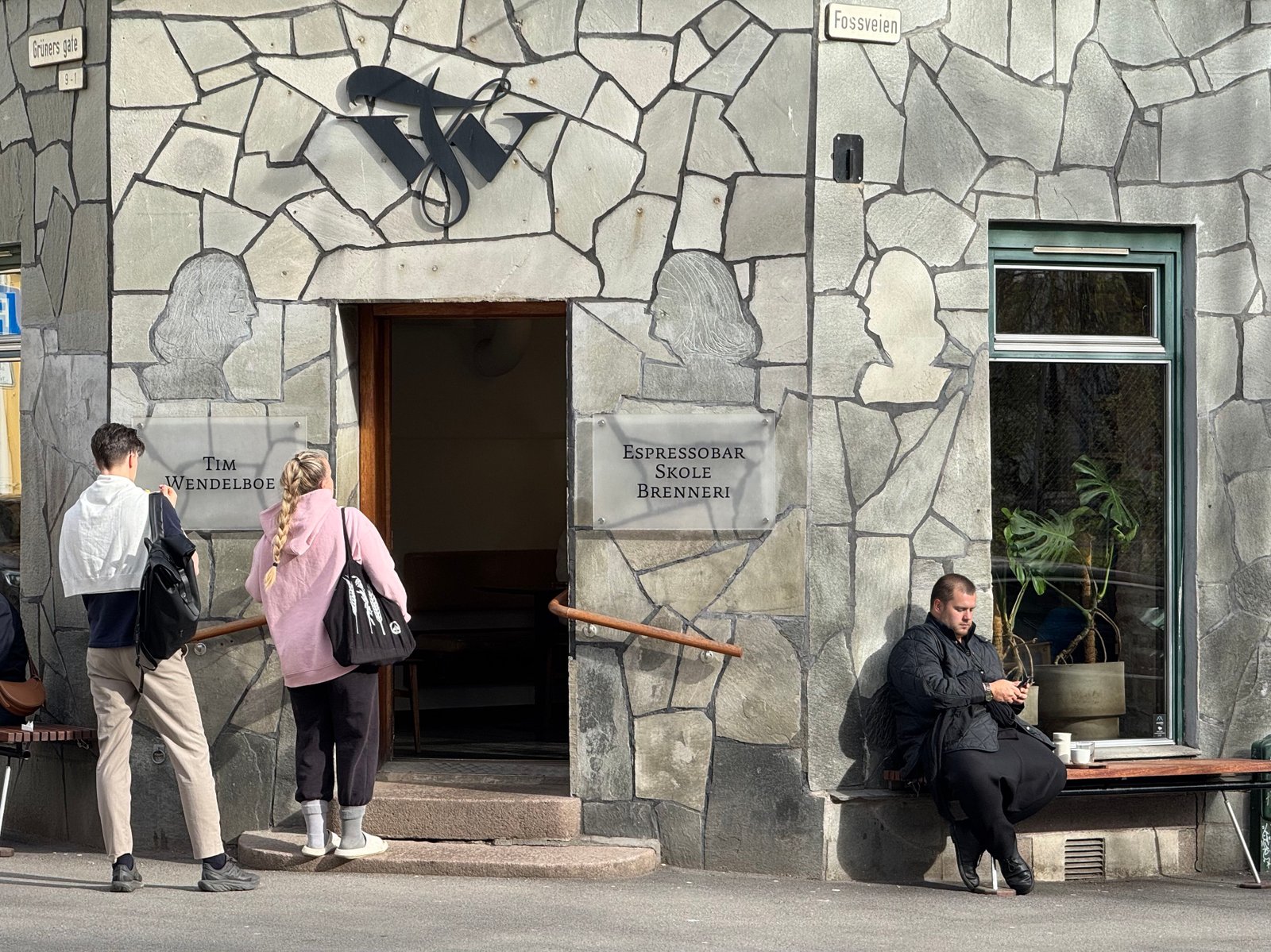
The café at Grüners gate is small. Sixteen seats, no food, nothing in a large cup. The menu runs single-origin seasonal coffees changed as harvests arrive. Order the four-coffee tasting if you want to understand what the Nordic light roast sounds like across different origins and processing methods side by side. Don't leave without tasting the consistently great espressos, which taste nothing like the bitter, roasted shots you might be used to. In summer the Cappuccino Al Freddo, espresso and organic Røros milk blended on a vintage milkshake machine with ice until foamy, is worth coming back for.
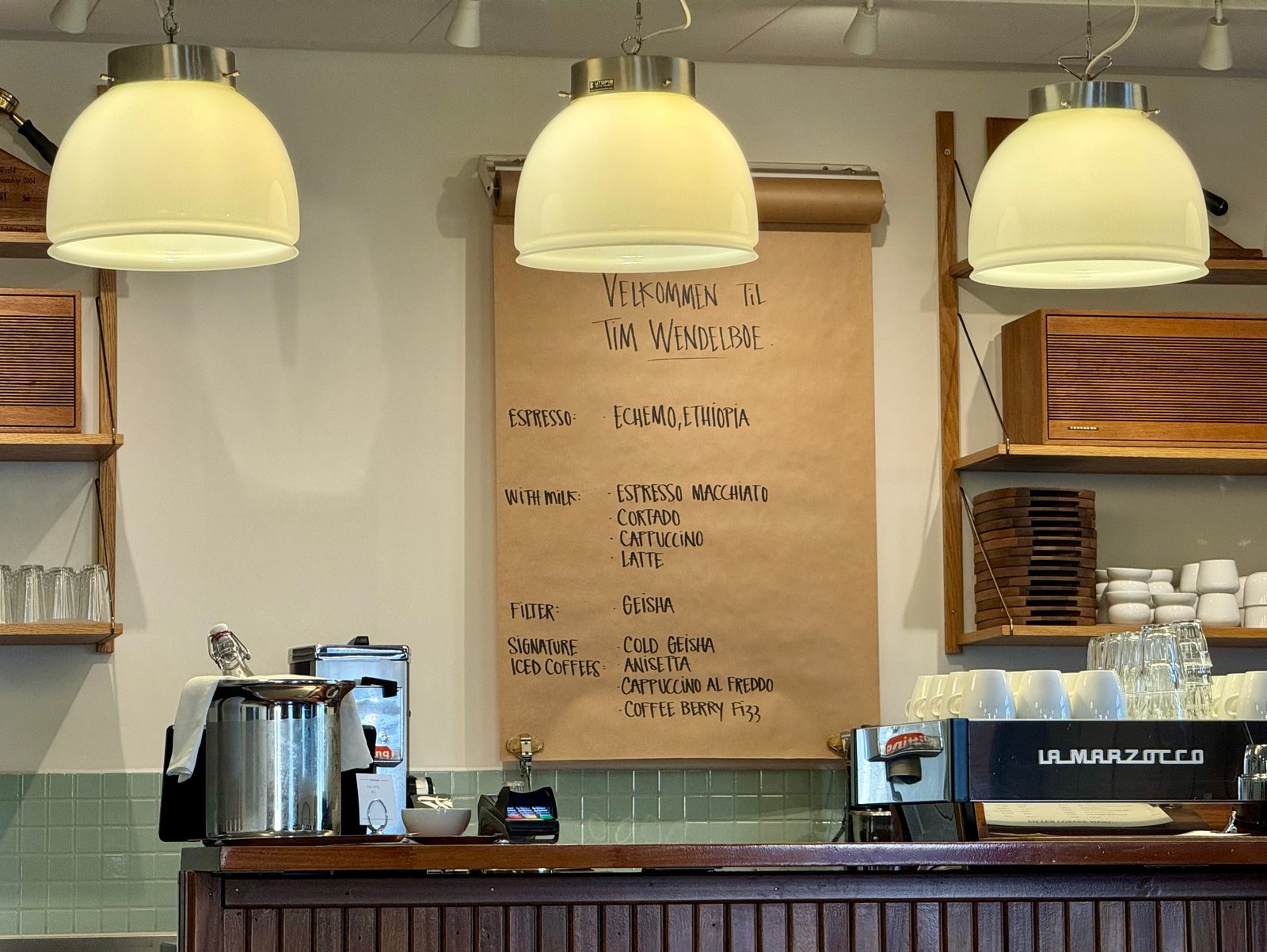
Don't come here expecting any funky, intensely fruity natural or anaerobic coffee, you won´t find that here. Tim has been vocal in his dislike for natural coffees, preferring only clean, washed, lightly roasted beans.
Weekday mornings between 10:00 and noon are quietest. Weekend afternoons queue out the door. The roastery at Tøyen runs tasting sessions and tours. Book online before you travel, they fill, and current timings are on the website.
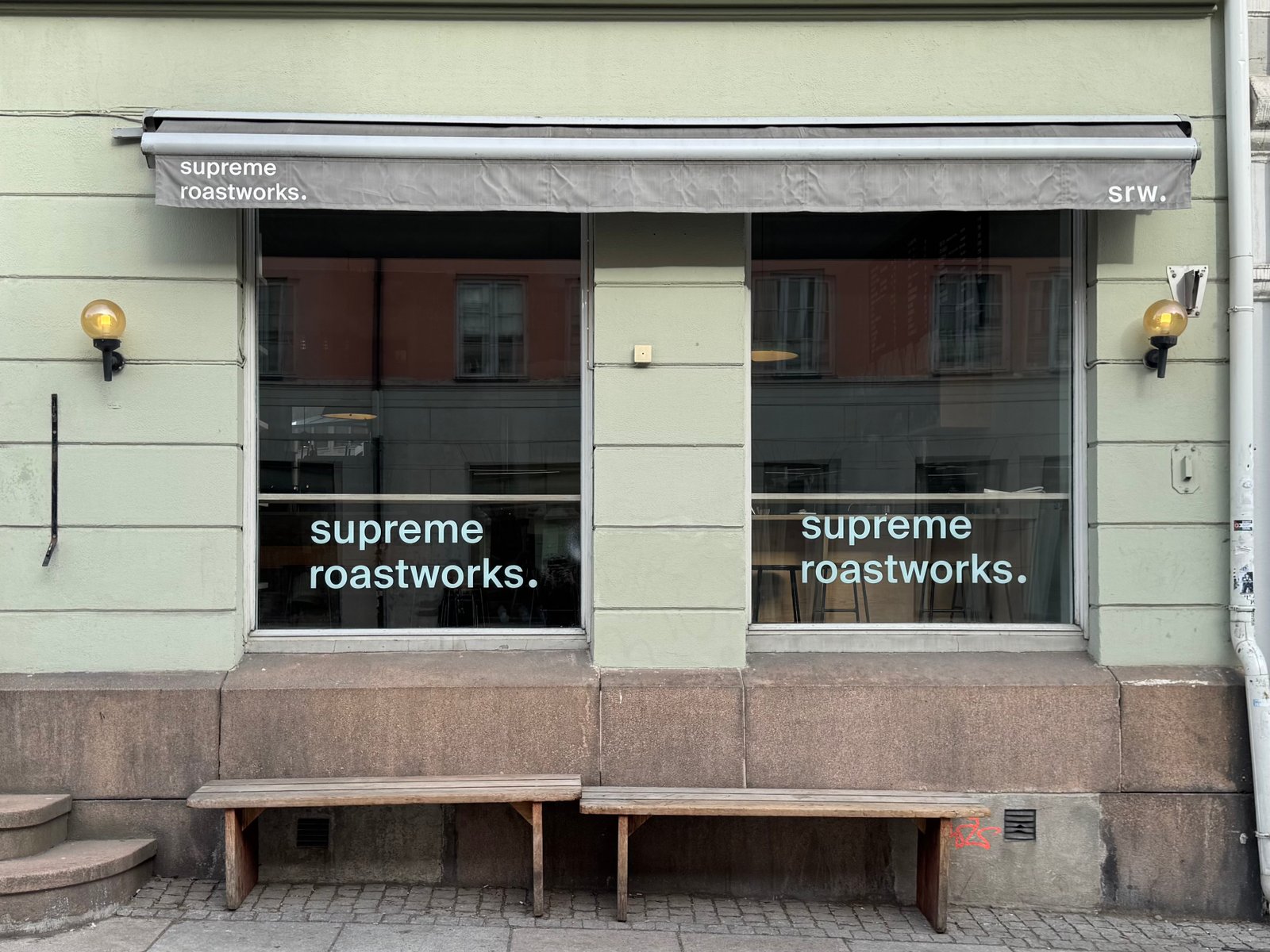
Supreme Roastworks
Thorvald Meyers gate 18A, Grünerløkka
Co-founder Odd-Steinar Tøllefsen won the 2015 World Brewers Cup using a naturally processed Ethiopian, a disruptive choice in a Nordic market that had historically defaulted to washed coffees almost exclusively. That preference still defines the shop. Supreme runs more natural-process and anaerobic options at any given time than almost anywhere else in the city, and the flavour profiles sit further toward fruit and florals than the clean precision of Wendelboe two streets away.
The 12-kilo Diedrich roaster is visible from the café floor. You're watching the next batch go in while you drink the last one out. Communal table, neighbourhood regulars, Friday evenings extending into natural wine and vinyl.
Older guides might mention a branch at Aker Brygge. That location is permanently closed. Grünerløkka is the only Supreme Roastworks that currently exists.
Fuglen
Universitetsgata 2, Sentrum - St. Halvards gate 33, Gamlebyen
The Sentrum (city centre) original branch opened in 1963. In its current form it operates simultaneously as a specialty coffee bar, a mid-century Scandinavian design showroom, and a craft cocktail venue in the same room. Every chair, table, and pendant lamp is an authentic piece from the 1950s and 1960s. Birger Dahl lamps, Formica tables, deep leather couches, handmade wallpaper from the original fit-out. The coffee is excellent, and from Wednesday evenings onwards the bar transitions to cocktails and stays open late.
The Gamlebyen location is where Fuglen actually roasts, on a Probat machine acquired from Tim Wendelboe. The branch has an outdoor courtyard that becomes one of Gamlebyen's better spots from May onwards.
Java
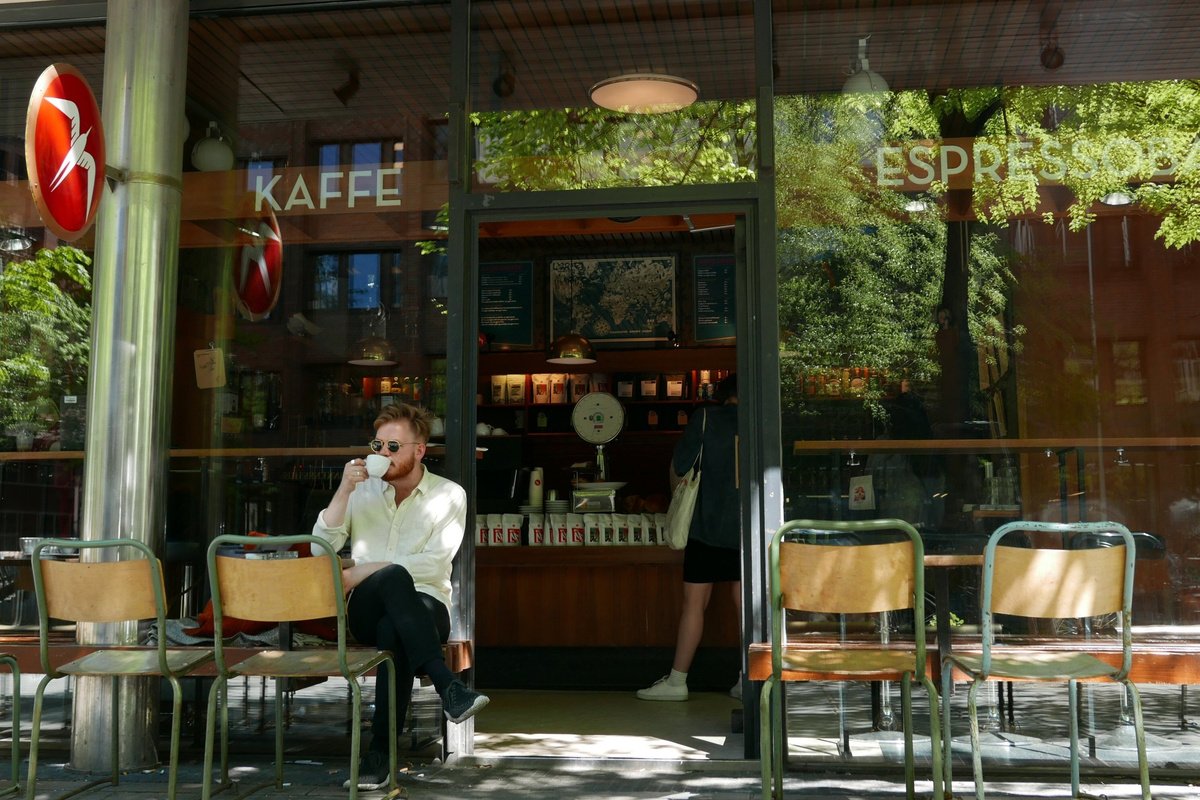
Ullevålsveien 47, St. Hanshaugen
Robert Thoresen won the first World Barista Championship in 2000, the inaugural competition, before the phrase "specialty coffee" was in common use. He opened Java on the back of what he'd observed in San Francisco. KAFFA, his micro-roastery, won Nordics Best Roaster 2026.
The coffee sits slightly more developed in roast profile than Wendelboe's. Still firmly specialty, still single-origin, but with enough structural sweetness alongside the brightness to make it the gentler entry point for anyone still calibrating to the Nordic style. The space is tiny, pared-down, barely changed in 25 years. Almost entirely local clientele.
Seating is limited and there's no room to wait. Go at 10:00 or after 14:00. Sister café Mocca at Niels Juels gate 70 in Briskeby if you're staying in the west end.
Papegøye
Urtegata 48, Grønland
Entirely plant-based: oat milk across the full menu. Papegøye does not have its own roasters, but rotates different Norwegian roasters. In 2022, three of the five baristas on the Norwegian national coffee team worked here. Natural wine, craft beer, and sake in the evenings. One of the more local-facing places in this list, in one of Oslo's more culturally mixed neighbourhoods.
Talormade
Operagata 67B, Bjørvika
Talor Browne spent years as Tim Wendelboe's head roaster before going her own direction. The roasts are light and precise, predictable given where she trained. Less predictable is the doughnut program: handmade daily, inventively flavoured. While the coffee is excellent, it´s actually the donuts she's better known for. The space sits near the Munch Museum. Free batch-brew refills.
Solberg & Hansen
Vulkan 5, Mathallen Oslo
Founded in 1879. They supplied the beans Thoresen used to win the first WBC and were involved in establishing the World Barista Championship itself. Their only public-facing space is the Concept Store inside Mathallen food hall: a brew bar and retail counter where the point is education rather than throughput. Come here to have someone walk you through single-origins side by side, to understand what processing differences actually taste like in the cup, or to buy beans worth taking home. They have a large selection of teas as well as coffee.
Mathallen is one of the better food halls in Scandinavia. Closed Mondays.
Mathallen Oslo: The insider’s guide
Hakone Coffee
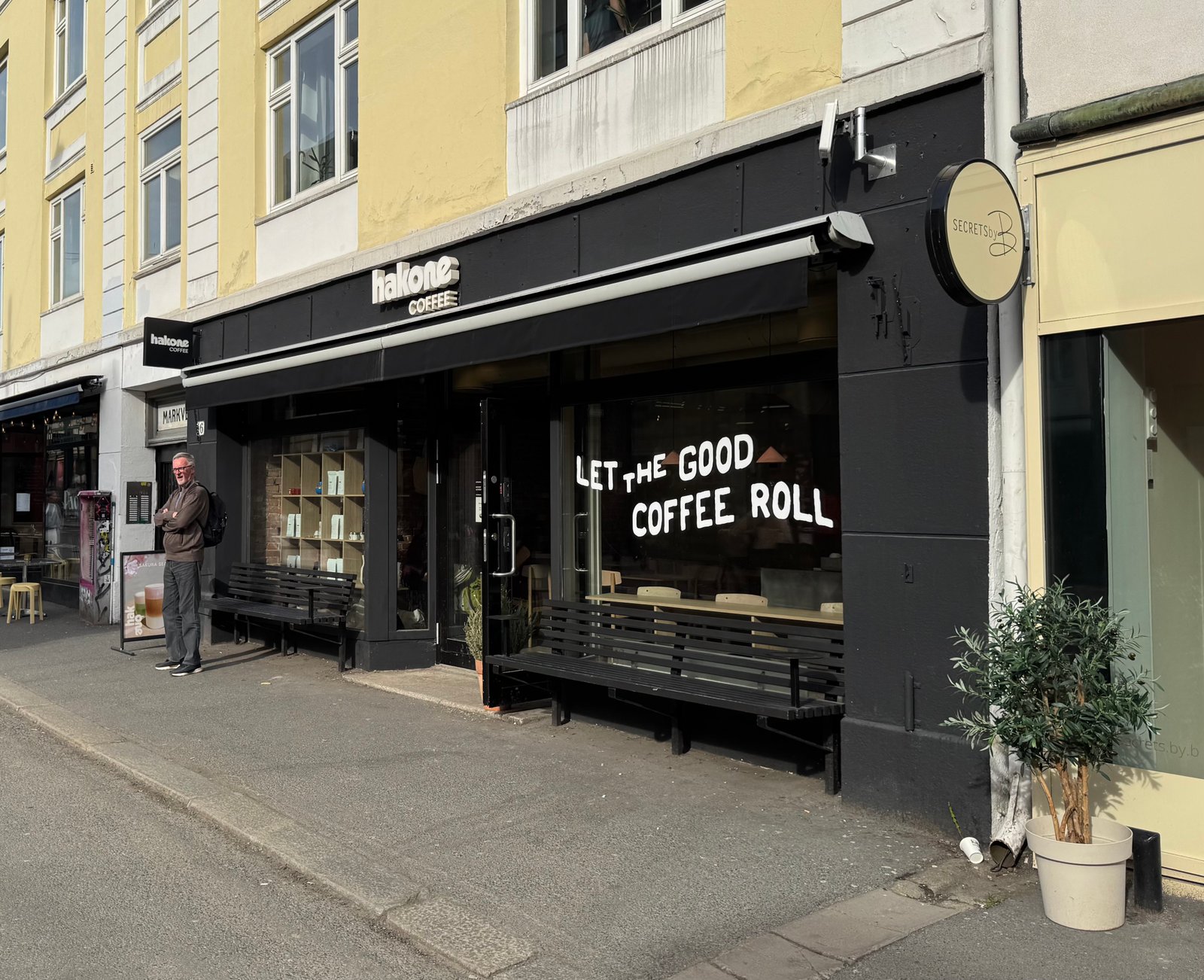
Karl Johans gate, Sentrum · Bogstadveien 39A, Majorstuen - Markveien 46, Grünerløkka
Japanese-Scandinavian concept that opened in July 2024 and has since grown to several locations. Known for pour-over drip bags to take home, the first café in Norway to sell them, and recently began roasting in-house. The Karl Johans gate location is the most convenient for visitors staying centrally.
Kuro
Rathkes gate 9C, Grünerløkka
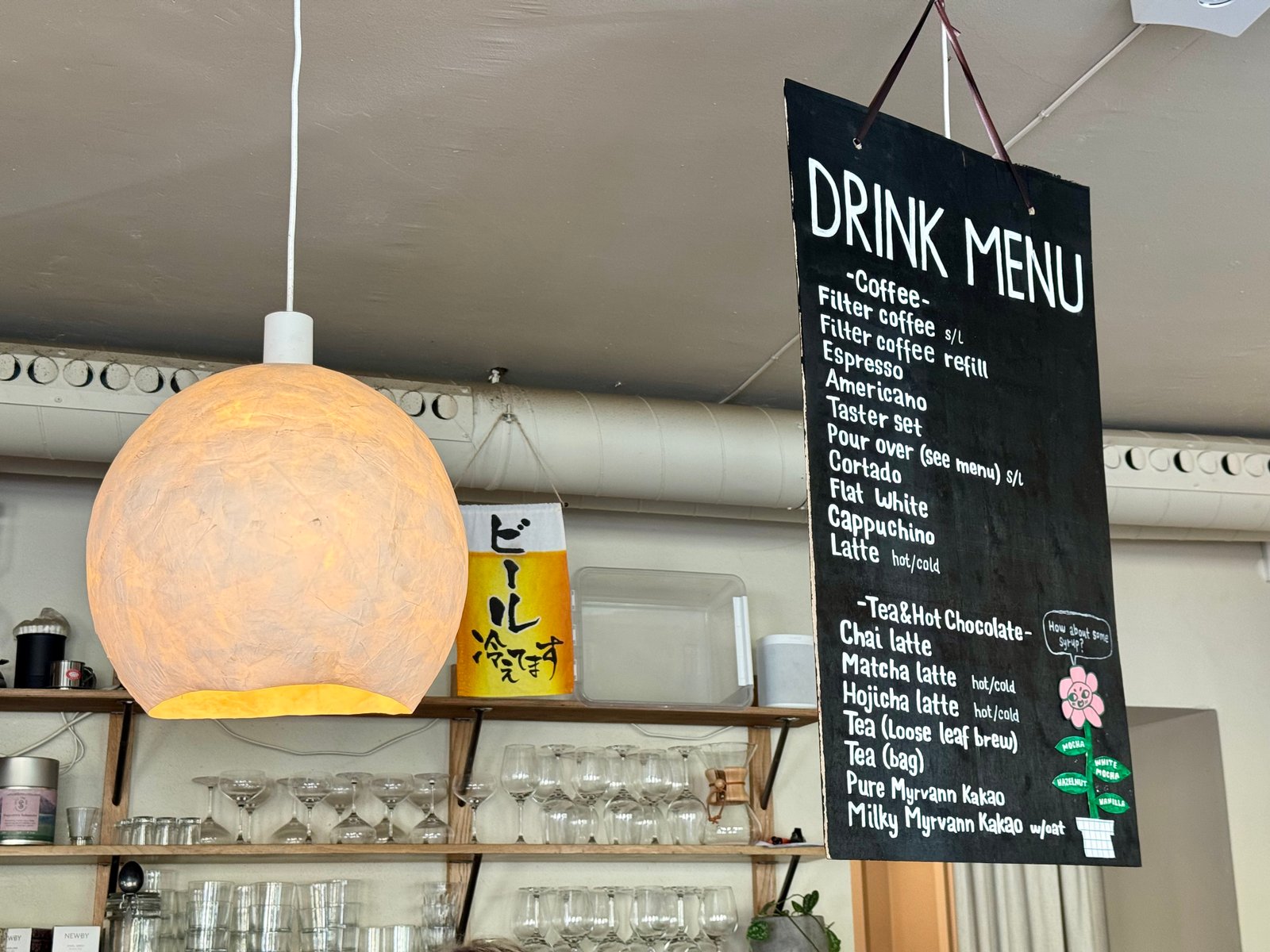
Located inside a Norwegian fashion concept store. The interior is airy and calm: natural wood, white paper lamps, good music, dog-friendly. They do not roast their own coffee, the coffee is mainly from Kokko from Stavanger and Fuglen. The seasonal drinks program runs inventive combinations, some rather experimental coffee and a slightly Japanese inspired drinks menu. Popular with the local Grünerløkka crowd, but a bit off the tourist track.
Hibi Kaffe
Jens Bjelkes gate 9a, Tøyen (inside The Little Pickle)
Run by Japanese roaster Ayae Maki Fredheim, recently opened in November 2024. The space shares a building with a Bib Gourmand restaurant and a Japanese-Scandinavian bakery producing croissants and cardamom buns. One of the strongest new openings in the Nordic coffee scene.
The roasting is precise but the atmosphere is calm and unhurried. Worth knowing about if you're heading to Tøyen or continuing east from Grünerløkka.
Stockfleths
~11 locations across Oslo
Oslo's oldest coffee retail name, founded 1895, it's where Tim Wendelboe worked before winning the World Championship and opened his own shop. Coffee roasted by Solberg & Hansen under it´s own name. The Prinsens gate 6 basement has the most character: 1950s Nordic furniture in a low-ceilinged room. The Schous Plass branch in Grünerløkka is the most convenient stop if you're already on the neighbourhood circuit.
Kaffebrenneriet
~36 locations across Oslo
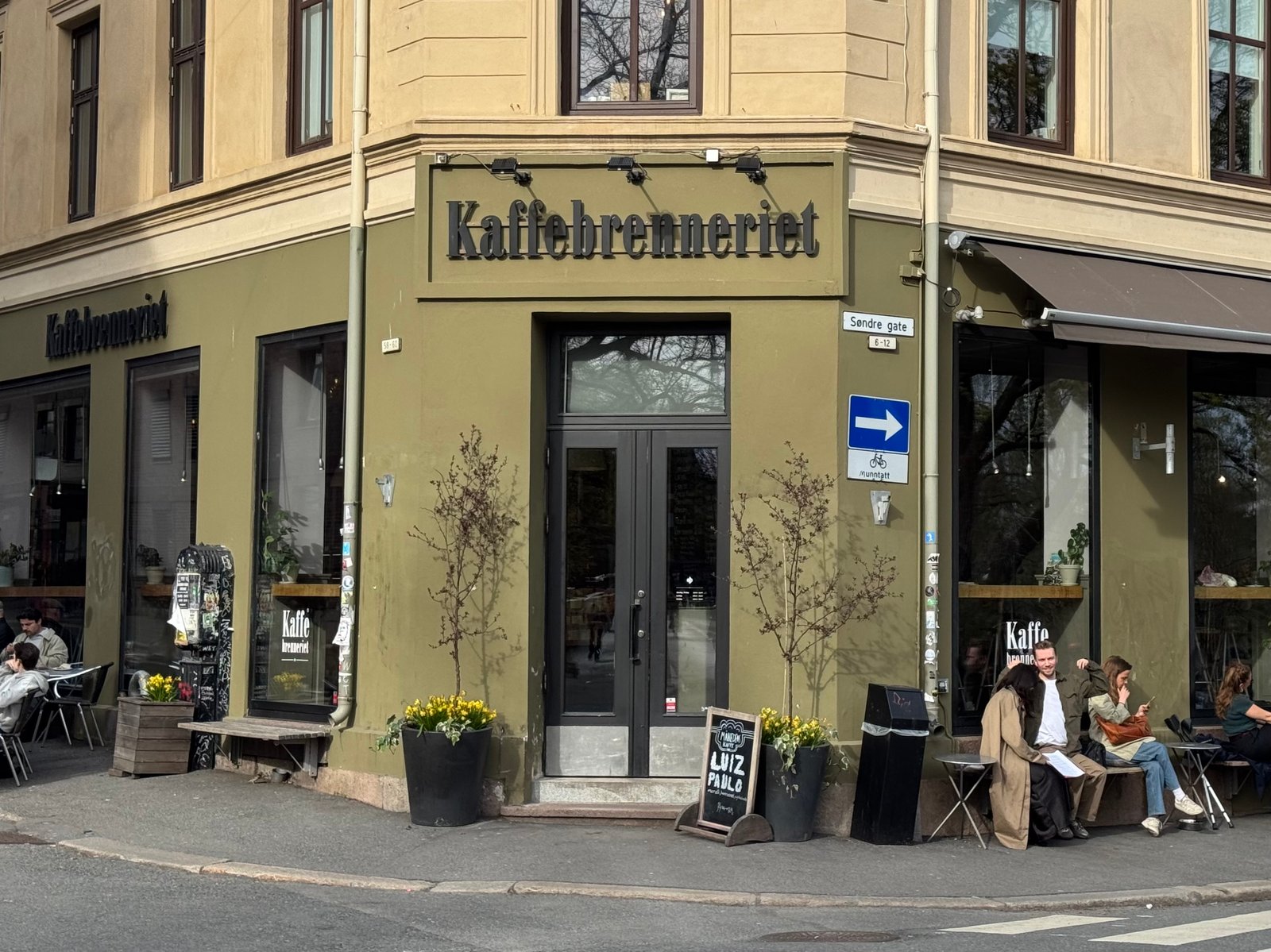
Kaffebrenneriet is Oslos largest specialty coffee chain. Not at the cutting edge of the micro-roasters but taken seriously and reliably well executed. The best individual location is the Grønland branch at Grønlandsleiret 32, inside a 150-year-old fire station with the original fire pole still standing.
Grünerløkka - the specialty coffee heaven
Grünerløkka is the obvious choice for a dedicated coffee morning. Tim Wendelboe, Supreme Roastworks, Solberg & Hansen, Stockfleths, Hakone and Kuro are all within a short walk of each other. Kaffebrenneriet also has a branch at Grünerløkka. Tøyen borders Grünerløkka to the southeast. Hibi Kaffe is here, inside The Little Pickle on Jens Bjelkes gate, close enough to include in the same circuit.
Guide to Grünerløkka: Oslo's Best Neighbourhood for Food and Coffee
Before You Go
Everything on this list is card-only or card-preferred. Norway is effectively cashless and some places no longer accept cash at all. No tipping is expected. Staff earn living wages and rounding up by 10 NOK is a gesture, not an obligation. English is spoken without exception at every shop here, often by baristas who've trained or competed internationally.
Prices: An espresso runs 35–45 NOK. A cappuccino or flat white is typically 50–65 NOK. Pour-overs at the micro-roasters land between 65–90 NOK depending on origin. Retail bags from the top roasters run 200–345 NOK per 250g. By Oslo standards, where a beer costs 100–120 NOK in a bar, coffee is not expensive.
Oat milk is available everywhere, except Tim Wendelboe. Papegøye uses nothing else. At Tim Wendelboe the preference is for organic Røros cow's milk because of how the fat interacts with light-roasted espresso.
The one thing worth booking before you travel is the Tim Wendelboe roastery tasting session. It fills up. The website has current timings in English.