By: Chris ⎜ Last updated
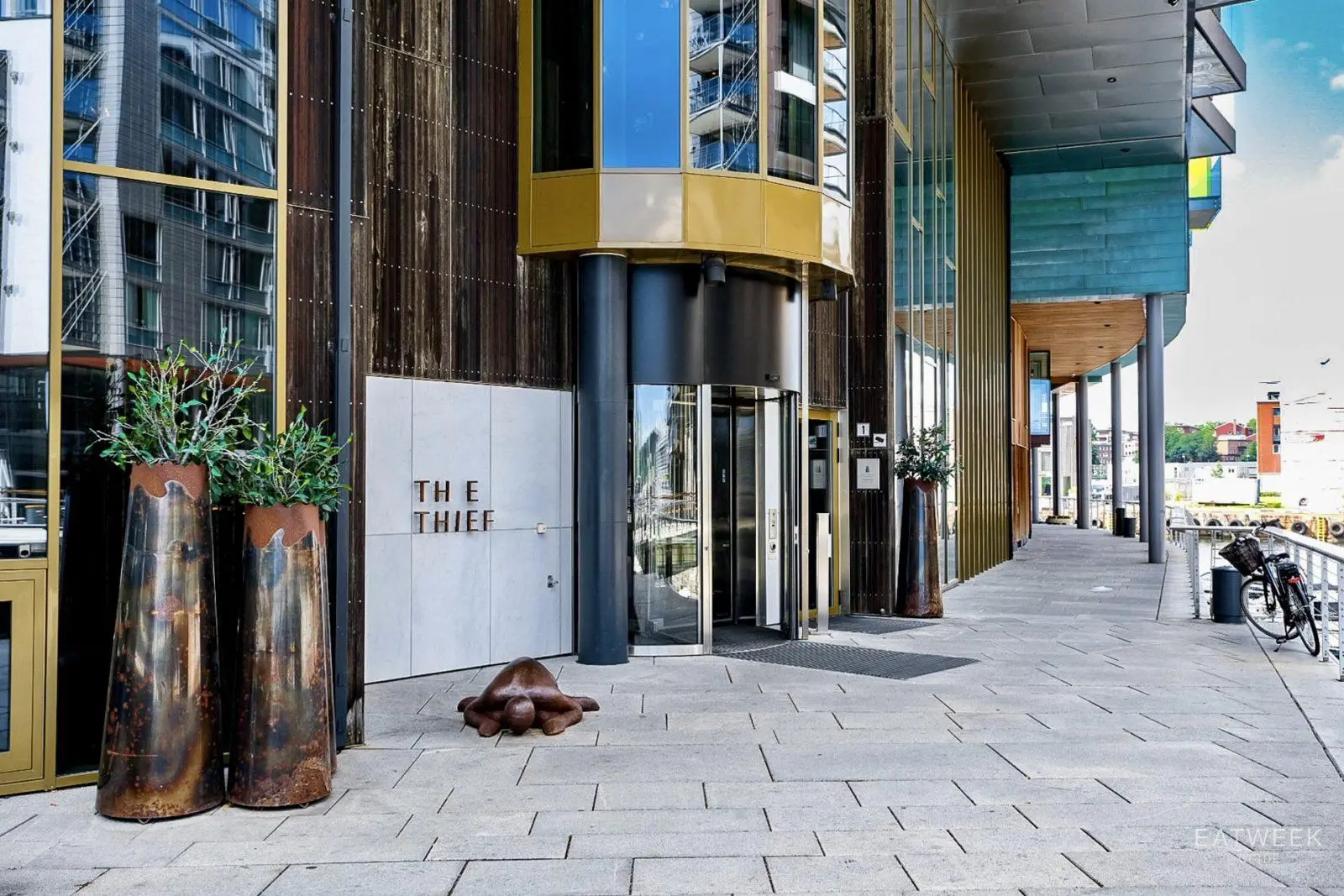
THE THIEF is one of the best luxury hotels in the city. It's located at the very tip of Tjuvholmen, a small peninsula at the edge of Oslo's western waterfront. The neighbourhood around it is car-free, quiet at night, and is a bit detached from the rest of the city, which can either be a good thing or the main drawback, depending on what you want.
Upmarket waterfront neighbourhood
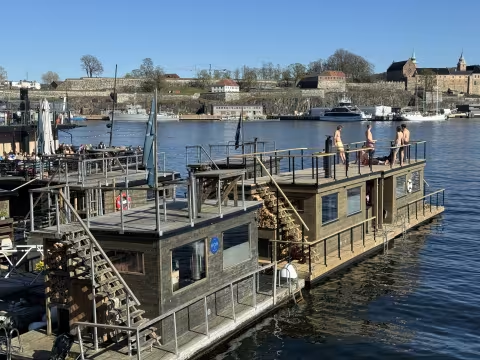
Tjuvholmen (roughly "thief island," named for its rougher past) is one of Oslo's most polished waterfront developments. The area has modern architecture, a small sculpture park, boardwalks all along the water, and the Astrup Fearnley Museum of Modern Art right next to the hotel. In summer, you can swim at the public beach right behind Astrup Fearnley and eat outside at the restaurants along the seaside. In winter, the outdoor life that makes Tjuvholmen special largely disappears.
The most important factor you need to consider is whether you are fine with the distance from major attractions and public transport. From the hotel, it is roughly a fifteen-minute walk to Karl Johans gate or Nationaltheatret station (the airport train station). Reaching the Bjørvika district where you find the MUNCH Museum and the Opera House will take about half an hour on foot.
Seaview balconies
Every room has a balcony, which sounds great, but not every balcony faces the water, some of the rooms look inward over Tjuvholmen. You should book a Deluxe or Premium category facing east to be guaranteed a view of the Oslo fjord.
The rooms themselves are deliberately dark and warm-toned. The lighting leans more moody than practical. The beds are excellent, with good duvets, premium linen, and the kind of mattress that makes you want to upgrade your own bed at home.
The art
THE THIEF has more than a hundred artworks throughout the building, drawn largely from the Astrup Fearnley Collection next door. Hotel guests get free entry to the museum, which will save you a couple of hundred kroner per person.
If you care about contemporary art, this is the place for you. You walk through corridors with serious artworks on the walls, and if that's not enough, you have the Astrup Fearnley Museum next door. If contemporary art does nothing for you, you're paying a premium for something you won't appreciate. In that case, one of Oslo's other luxury hotels might give you a better return on your money.
The spa
Hotel guests can access the THIEF Spa at roughly half the price of external guests. The pool is a decent size, heated, and with a ceiling that mimics a starlit sky, but it is a relaxation pool, not a swimming pool. Around it there's a Finnish sauna, Turkish hamam, steam rooms, and sensory showers that cycle through temperatures and coloured light. The spa is compact but well done.
The spa might disappoint on weekends, when the pool and sauna areas tend to get crowded.
Eating and drinking
Breakfast is great. The buffet goes well beyond standard Scandinavian hotel fare with eggs made to order, good cured fish, local cheeses, fresh bread, and good coffee. The breakfast is included with most rates and is worth getting.
THIEF Restaurant on the ground floor serves Nordic food and draws a mix of hotel guests and local residents. The food is competent but not a destination in itself. For a lazy evening where you don't want to leave the building, it's perfectly good. For your best meal in Oslo, you need to venture out of the hotel.
THIEF Rooftop opens from around April through late autumn, and gives you panoramic views of the Oslofjord, the city skyline, and Holmenkollen in the distance. On a clear warm summer evening, this is one of the better places to have a drink in Oslo, but get there before sunset. There's no reservation for the bar area, and it fills up fast on warm nights.
The cost
THE THIEF is amongst the most expensive hotels in Oslo. Entry-level rooms are competitive with the other top-tier hotels in the city, but upgrading to a water-view Deluxe or Premium room (which you should) pushes the nightly rate significantly higher. Rates are dynamic and vary a lot between midweek, weekends, and peak summer season.
How much value you get depends on how much of the hotel you use. The spa access, Astrup Fearnley entry, the breakfast, the rooftop bar in summer, and the Tjuvholmen neighbourhood itself all add to the value if you use all of it.
Summer versus winter
In summer, the rooftop is open, the harbour promenade is full of life and you can swim off the nearby beach. In winter, the rooftop closes, there's not that much life outside, and the hotel becomes more of an indoor art and spa retreat.
Alternatives
If you're after a luxury hotel in Oslo, you should also check out these alternatives.
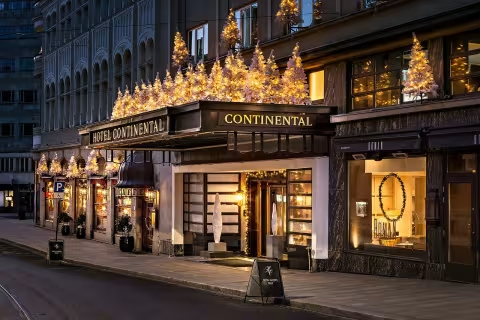
Hotel Continental is 150 metres from Karl Johans gate and has been family-run for four generations. It has no spa or pool and more traditional rooms, but the location is amongst the most central of any luxury hotel in the city, and it just might have the best service and staff in Oslo. If you care more about the service and walking-distance convenience than the spa and waterfront atmosphere, Continental is better for you.
Sommerro is located in a 1930s Art Deco power station in Frogner and has more facilities than any other hotel in the city: a rooftop pool, subterranean spa in the restored 1920s bathhouse, cinema, and several restaurants that draw as many neighbourhood locals as hotel guests. It's bigger, busier, and more social than THE THIEF. If you want a quiet waterfront retreat, THE THIEF wins. If you want a hotel where you could spend an entire rainy day inside without getting bored, Sommerro wins.
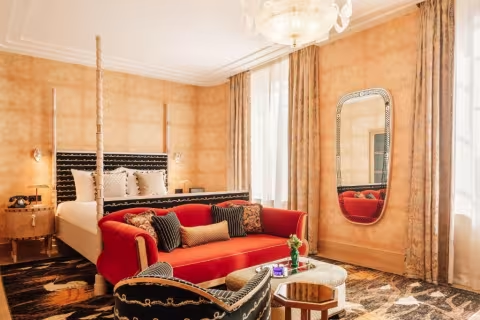
Hotel Bristol dates to the 1920s and trades modern design for old-European character: wood panelling, chandeliers, red upholstery, and a recently opened full-service spa. It's centrally located near Karl Johans gate at a noticeably lower nightly rate, a good option if you want a characterful hotel without paying THE THIEF's premium.
What to do nearby
Other hotels nearby