Viking Ship Museum Oslo

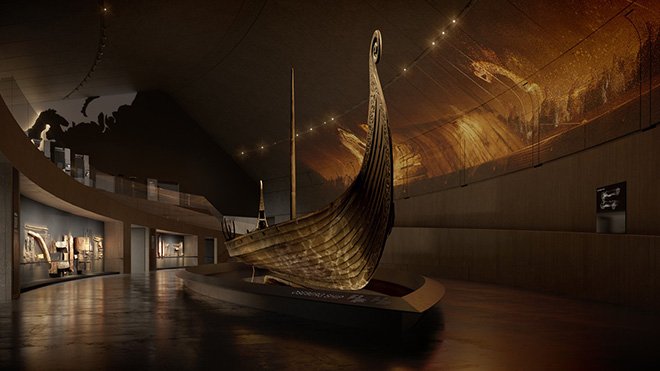
See three internationally important Viking Age burial ships, including the exceptionally complete Oseberg, and the associated grave goods that provide direct evidence of 9th-century shipbuilding and elite burial practice.

Currently CLOSED for renovation. Scheduled to reopen in 2027.

Museum of the Viking Age (previously the Viking Ship Museum) on Bygdøy preserves three of the best-known Viking Age burial ships excavated from the Oslofjord region: the Oseberg, Gokstad and Tune finds, together with thousands of accompanying grave goods that illuminate craft, ritual and seafaring in the 9th century. The original halls were built in stages from the 1920s to the 1950s to house those excavations, and the collection is part of the Museum of Cultural History at the University of Oslo. 

The museum building is undergoing a major conservation and rebuilding programme and the ships have been moved into protective enclosures as part of a staged transfer into an expanded Museum of the Viking Age; a scheduled reopening is reported for 2027. While the site is being prepared for better climate control and new visitor platforms above the Oseberg ship, many related objects from the collections are available at the University of Oslo’s Historical Museum in the city centre. The Oseberg burial remains the most complete Viking ship assembly recovered, and the new galleries are being designed to preserve the fragile timber and textiles.


Three ornate sledges from the Oseberg burial are unique artefacts; they are among the very few surviving ceremonial sledges from the Viking Age and have required special conservation and handling during the museum move.

Highlights


Study the Oseberg ship and its carved prows and textile assemblage as an unmatched example of Viking burial craftsmanship.
Compare the Gokstad and Tune ship remains and examine the funerary equipment such as sledges, carts and household objects recovered from the burials.
If the Bygdøy halls are closed, view Viking-age objects from the same excavations at the University of Oslo’s Historical Museum in the city centre.


Best time to go


Shoulder seasons (spring or early autumn) or weekday mornings; avoid peak summer afternoons and guided-tour windows.

Time needed


45–120 minutes

What to do nearby


0.3km Insider pick
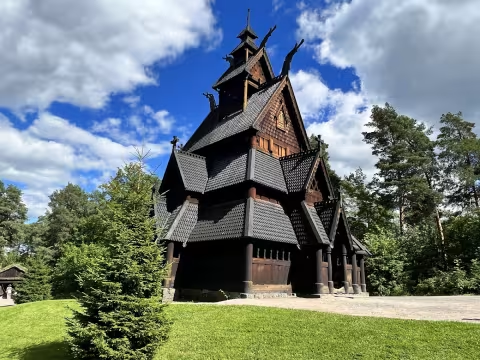
A concentrated, walkable collection of authentic Norwegian buildings and interiors that includes a medieval stave church and dedicated galleries for costume and craft. It is the only place in Oslo where you can physically walk from the Black Death era (1300s) to the Nokia era (1990s) in less than 20 minutes.
0.3km
A largely 12th-century stave construction preserved through 19th-century relocation and restoration. It is the most accessible stave church in Norway.
0.8km
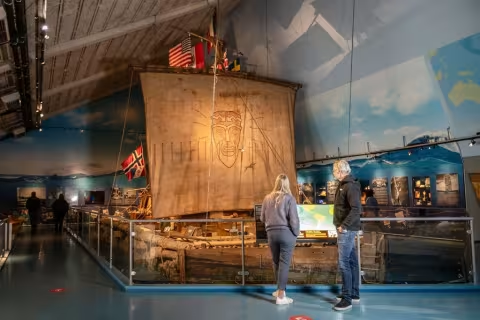
See and stand underneath the original balsa wood raft that Thor Heyerdahl sailed 8,000 kilometers across the Pacific in 1947 to prove ancient peoples could have crossed oceans

Hotels nearby


1.7km
Three included meals a day in one of Europe's most expensive cities, inside a building with actual character.
2.1km Insider pick
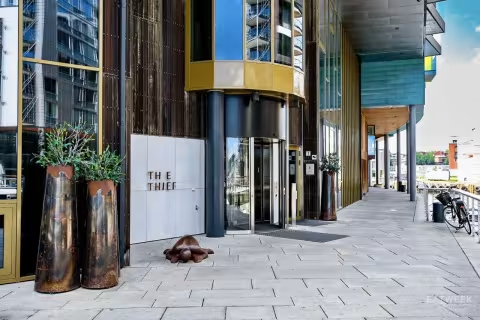
A design hotel with a real art collection and fjord views. It´s the most atmospheric splurge in the city.
2.1km
A genuinely atmospheric boutique hotel with one of Oslo's best breakfasts, in a quiet upscale neighborhood.