
Oslo's major sights are clustered along the waterfront and in a handful of walkable neighbourhoods, which means you can cover a lot without ever needing a car or spending half your day on public transport. Most of what's worth seeing sits between Bjørvika in the east and Bygdøy in the west, with a few stops in Frogner and Grünerløkka along the way.
The city has had a serious museum boom in recent years. MUNCH opened in 2021, the National Museum followed in 2022, and the new Museum of the Viking Age is under construction on Bygdøy. If you visited Oslo ten years ago, the cultural landscape looks very different now. The older institutions are still strong, but the newer ones have raised the bar on what to expect from a Nordic museum visit.
Explore the locations
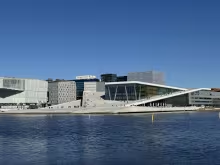
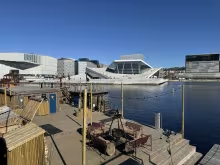
Oslo Opera House
Climb the Fjord’s Marble Glacier
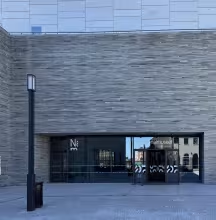
National Museum
How to visit
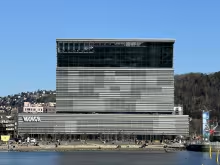
MUNCH Museum
What to see (including Scream)
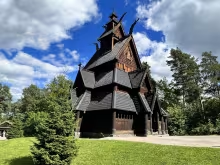
Norwegian Museum of Cultural History
Oslo's open-air museum on Bygdøy
Amerikalinjen
Oslo's Michelin Key boutique hotel
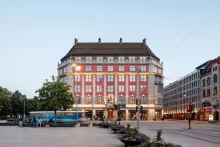
Hotel Continental
Classic luxury
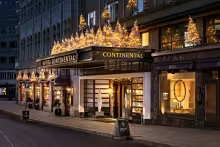
Sommerro Hotel
Oslo´s Art Deco Urban Resort
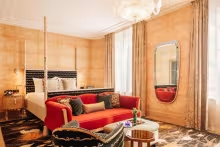
Vigeland Sculpture Park Oslo
A walking guide including map
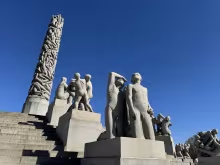
Clarion Hotel Oslo
Munch museum at your doorstep
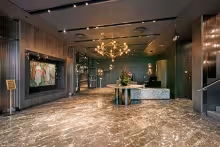
Hotel Bristol
A luxurious 1920s time capsule
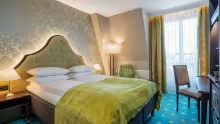
Lysebu Hotel
A 1916 forest retreat above Oslo
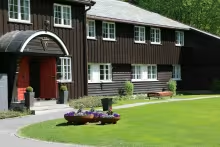
Fram Museum
The polar ship you can board

Revier Hotel
Oslo's slickest aparthotel

The Thief
Oslo's moody luxury art hotel
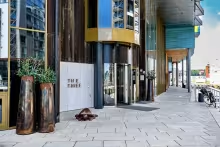
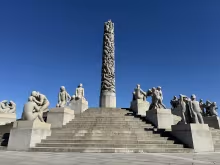
The Monolith
The centerpiece at the Vigeland Park
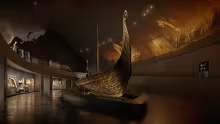
Museum of the Viking Age
Closed - what to see instead
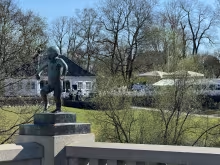
Sinnataggen (The Angry Boy)
The Vigeland Park´s mascot toddler
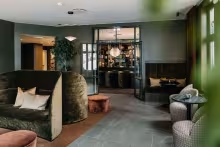
Saga Hotel Oslo
Boutique calm in Frogner
Home Hotel Gabelshus
Dinner on the house
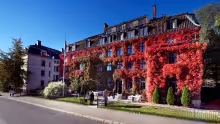
Home Hotel Folketeateret
Art deco and free dinner

Hotel Christiania Teater
Oslo's theatrical escape
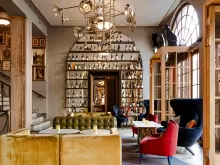
Scandic Holmenkollen Park Hotel
Castle on the hill
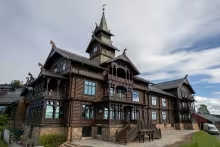
Bunks at Rode
Modern pods hostel in Grünerløkka

Citybox Oslo
The best budget hotel in the city center?

Grand Hotel Oslo
Oslo's grand dame
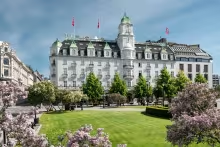
Henie Onstad Art Center
140 acres of fjord-side art
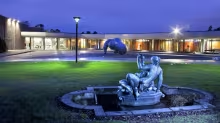
Hotell Bondeheimen
Oslo's most Norwegian hotel
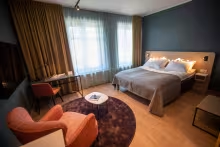
Oslo City Hall
Inside the Nobel Peace Prize venue
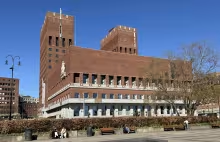
Thon Hotel Opera
Roll off the train Into bed
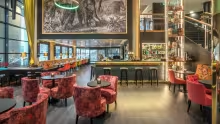
Radisson RED Oslo City Centre
Dead centre & stylish but tight rooms
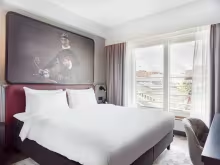
Akershus Fortress
What to see & what to skip
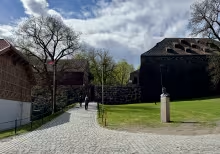
Clarion Hotel The Hub
Oslo's biggest hotel, for better or worse
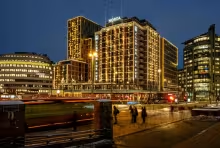
Comfort Hotel Grand Central
Sleep inside Oslo Central Station
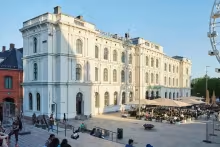
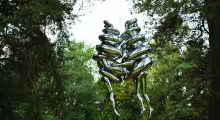
Ekeberg Sculpture Park
What to see in Oslo's free 24/7 art forest
Gol Stave Church
Oslo's 12th-century wooden masterpiece
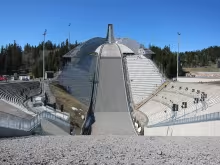
Holmenkollen
Oslo views, zipline, ski jump & ski museum
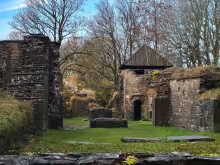
Hovedøya Island
Oslo's best half-day escape by ferry
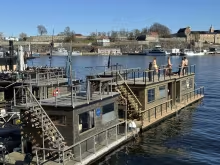
KOK Oslo Sauna - Aker Brygge
Floating saunas
KOK Oslo Sauna - Langkaia
The wood-fired sauna cruise
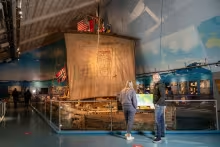
Kon-Tiki Museum
Thor Heyerdahl's original rafts
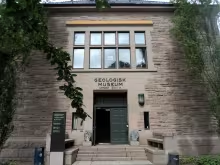
Mathallen
Oslo's indoor food hall & market

Natural History Museum
Geology, dinosaurs, climate and what to prioritise
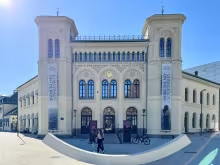
Nobel Peace Center
Museum in heritage railway station
Norway's Resistance Museum
WWII sabotage & civil defiance
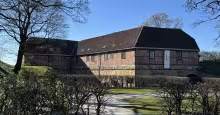
Norwegian Armed Forces Museum
From Vikings to the Cold War
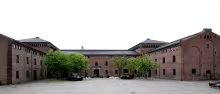
Oslo Badstuforening Saunas - Langkaia
Wood-fired heat by the Opera House
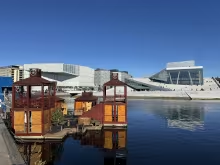
Oslo Botanical Garden
Free entry, greenhouses, and 4,500 plant species
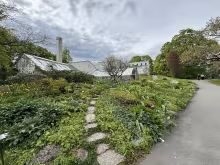
Radisson Blu Plaza Hotel, Oslo
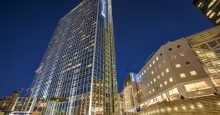
Oslo's tallest hotel & landmark
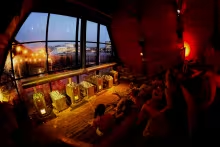
SALT Saunas
Oslo´s party sauna
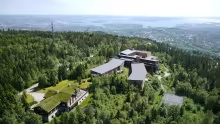
Soria Moria Hotell
Oslo's fjord views from the forest
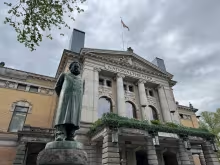
The National Theatre
Oslo´s 1899 neo-renaissance landmark
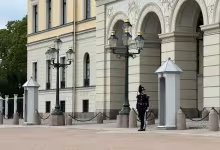
The Royal Palace Oslo
Summer tours & changing of the guard
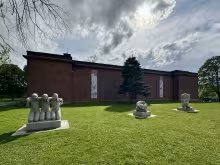
Vigeland Museum
The sculptor’s home & studio
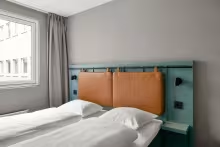
Scandic Vulkan
Basecamp in hipster Grünerløkka

Comfort Hotel Børsparken
A serious gym with rooms
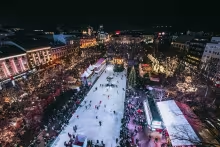
Jul i Vinterland
Oslo's central christmas market
Oslo Badstuforening Saunas - Sukkerbiten
Woodfired saunas & fjord dips
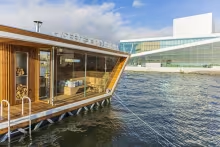
Radisson Blu Scandinavia Hotel, Oslo
Views & pool in the city centre
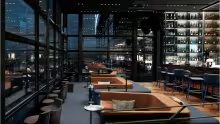
Comfort Hotel Karl Johan
Central, cheap, noisy

Anker Hotel
Oslo on a budget, no frills
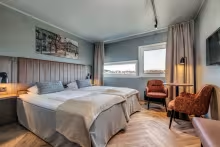
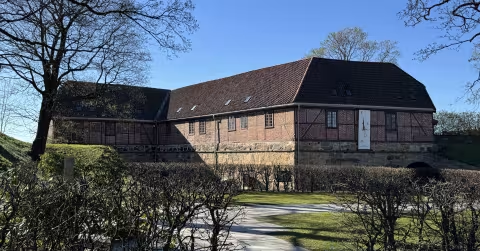
Experience the human story of Norwegian resistance during Nazi occupation (1940-1945) through atmospheric dark-to-light museum design, illegal newspapers hidden in firewood, saboteur equipment concealed in fish barrels, and the Heavy Water Sabotage that stopped Germany's nuclear program
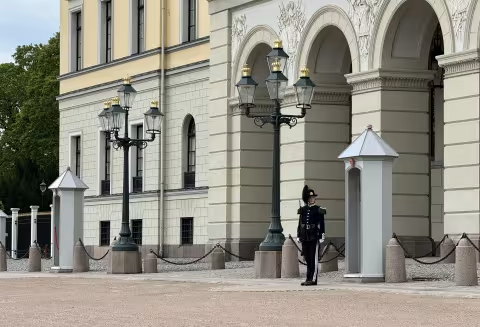
The working residence of Norway's King and Queen through lavish 19th-century state chambers during summer, or year-round you can watch the daily Changing of the Guard ceremony.
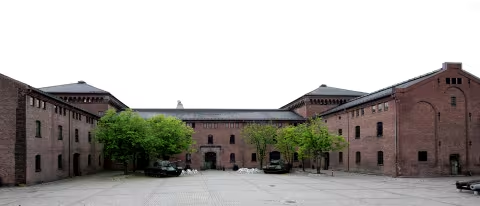
A chronological presentation of Norway's defence history situated inside Akershus Fortress, all for free.
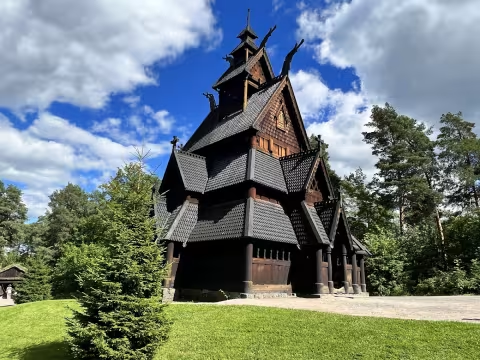
A largely 12th-century stave construction preserved through 19th-century relocation and restoration. It is the most accessible stave church in Norway.
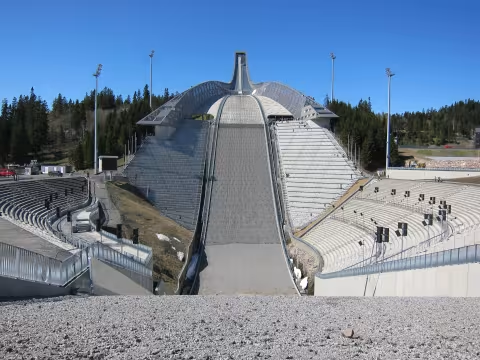
You can launch yourself off the top of Norway's most famous ski jump following the same 361-meter flight path that World Cup athletes use, reaching 70 km/h while dropping 107 vertical meters with Oslo and the fjord spread below you.
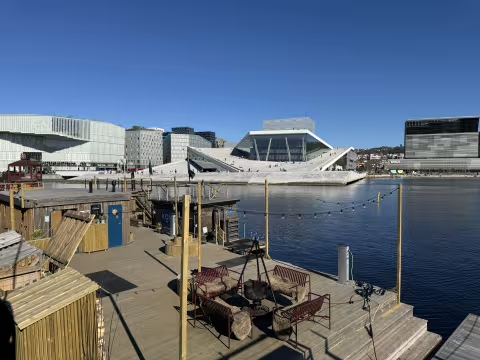
Experience authentic wood-fired Nordic sauna culture by jumping between 85°C steam heat and 6°C fjord water while floating 50 meters from the Opera House.
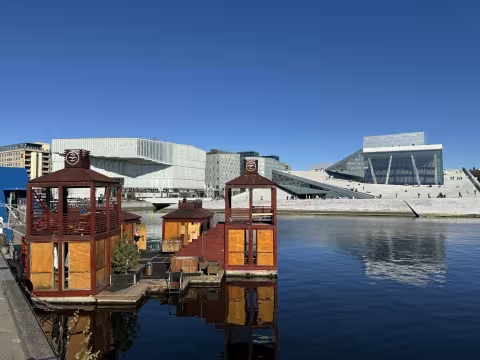
Floating fjord saunas with architect-designed cabins, jump towers and direct water access that place sauna bathing in the middle of Oslo’s new waterfront.
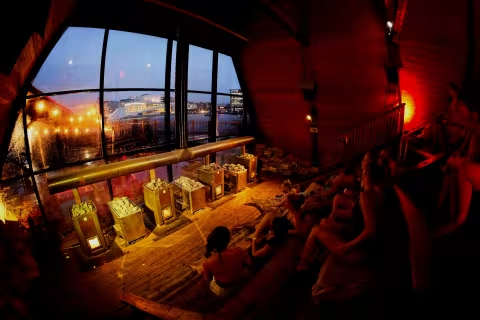
One of the world's largest party saunas holding 80 people inside a cultural festival village with food trucks, DJs at weekends, bars, art installations, and theatrical Aufguss rituals.
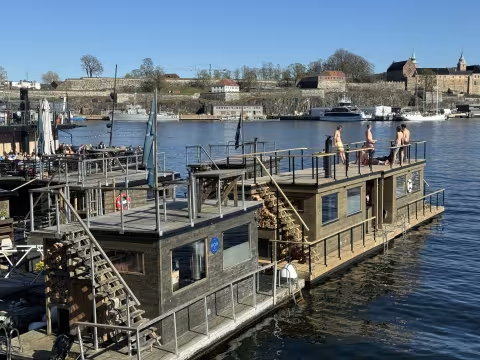
Floating saunas at a central Oslo pier that combine wood-fired heat, direct fjord access and bookable private or shared sessions.
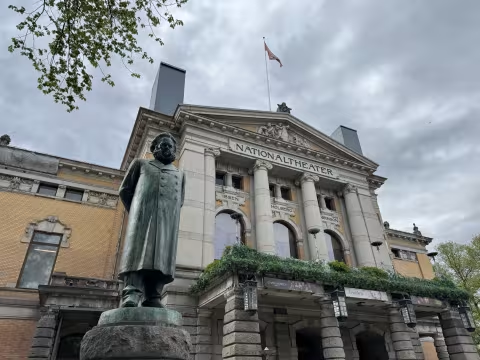
Watch classic Norwegian drama (such as Ibsen with English subtitles) in the 125-year-old gilded auditorium, or tour the Golden Hall and backstage areas where Norwegian cultural history has been performed for over a century.