
Oslo's major sights are clustered along the waterfront and in a handful of walkable neighbourhoods, which means you can cover a lot without ever needing a car or spending half your day on public transport. Most of what's worth seeing sits between Bjørvika in the east and Bygdøy in the west, with a few stops in Frogner and Grünerløkka along the way.
The city has had a serious museum boom in recent years. MUNCH opened in 2021, the National Museum followed in 2022, and the new Museum of the Viking Age is under construction on Bygdøy. If you visited Oslo ten years ago, the cultural landscape looks very different now. The older institutions are still strong, but the newer ones have raised the bar on what to expect from a Nordic museum visit.
Explore the locations
Oslo Opera House
Climb the Fjord’s Marble Glacier
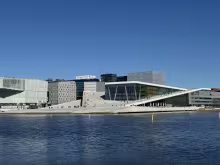
National Museum
How to visit
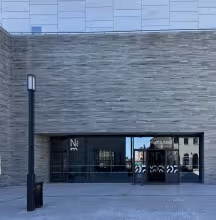
MUNCH Museum
What to see (including Scream)
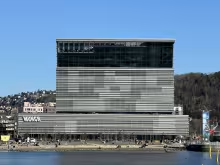
Norwegian Museum of Cultural History
Oslo's open-air museum on Bygdøy
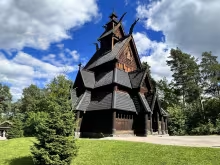
Amerikalinjen
Oslo's Michelin Key boutique hotel
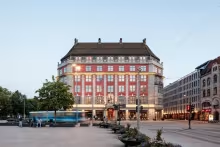
Hotel Continental
Classic luxury
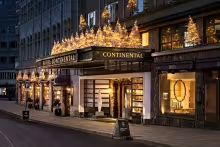
Sommerro Hotel
Oslo´s Art Deco Urban Resort
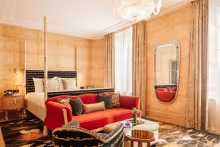
Vigeland Sculpture Park Oslo
A walking guide including map
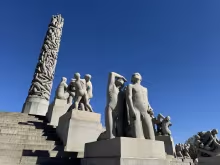
Clarion Hotel Oslo
Munch museum at your doorstep
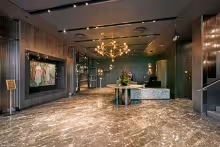
Hotel Bristol
A luxurious 1920s time capsule
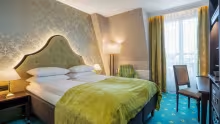
Lysebu Hotel
A 1916 forest retreat above Oslo
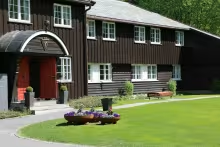
Fram Museum
The polar ship you can board

Revier Hotel
Oslo's slickest aparthotel

The Thief
Oslo's moody luxury art hotel
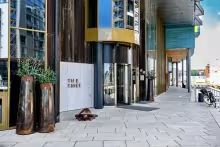
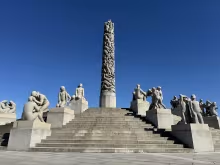
The Monolith
The centerpiece at the Vigeland Park
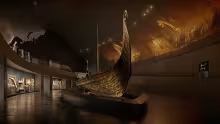
Museum of the Viking Age
Closed - what to see instead
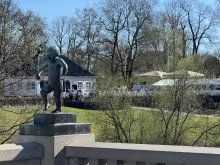
Sinnataggen (The Angry Boy)
The Vigeland Park´s mascot toddler
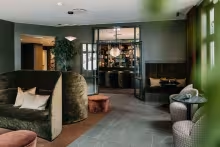
Saga Hotel Oslo
Boutique calm in Frogner
Home Hotel Gabelshus
Dinner on the house
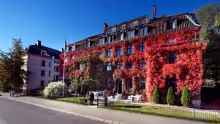
Home Hotel Folketeateret
Art deco and free dinner

Hotel Christiania Teater
Oslo's theatrical escape
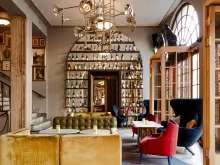
Scandic Holmenkollen Park Hotel
Castle on the hill
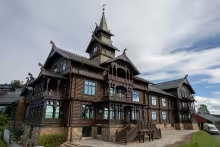
Bunks at Rode
Modern pods hostel in Grünerløkka

Citybox Oslo
The best budget hotel in the city center?

Grand Hotel Oslo
Oslo's grand dame
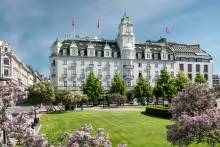
Henie Onstad Art Center
140 acres of fjord-side art
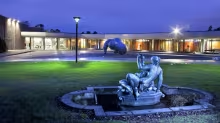
Hotell Bondeheimen
Oslo's most Norwegian hotel
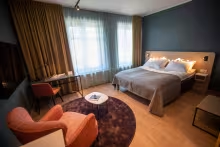
Oslo City Hall
Inside the Nobel Peace Prize venue
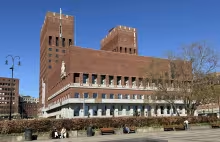
Thon Hotel Opera
Roll off the train Into bed

Radisson RED Oslo City Centre
Dead centre & stylish but tight rooms

Akershus Fortress
What to see & what to skip
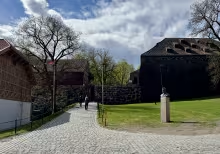
Clarion Hotel The Hub
Oslo's biggest hotel, for better or worse
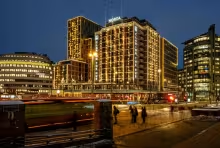
Comfort Hotel Grand Central
Sleep inside Oslo Central Station
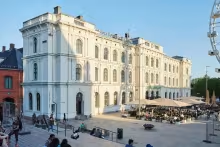
Ekeberg Sculpture Park
What to see in Oslo's free 24/7 art forest
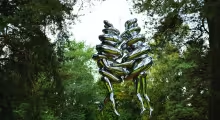
Gol Stave Church
Oslo's 12th-century wooden masterpiece
Holmenkollen
Oslo views, zipline, ski jump & ski museum
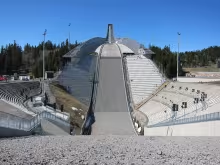
Hovedøya Island
Oslo's best half-day escape by ferry
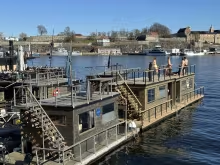
KOK Oslo Sauna - Aker Brygge
Floating saunas
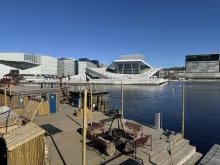
KOK Oslo Sauna - Langkaia
The wood-fired sauna cruise
Kon-Tiki Museum
Thor Heyerdahl's original rafts

Mathallen
Oslo's indoor food hall & market

Natural History Museum
Geology, dinosaurs, climate and what to prioritise
Nobel Peace Center
Museum in heritage railway station
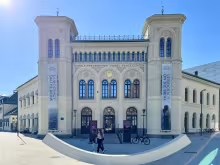
Norway's Resistance Museum
WWII sabotage & civil defiance
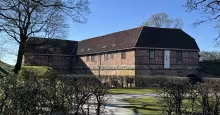
Norwegian Armed Forces Museum
From Vikings to the Cold War
Oslo Badstuforening Saunas - Langkaia
Wood-fired heat by the Opera House
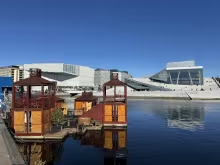
Oslo Botanical Garden
Free entry, greenhouses, and 4,500 plant species
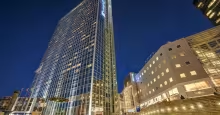
Radisson Blu Plaza Hotel, Oslo
Oslo's tallest hotel & landmark
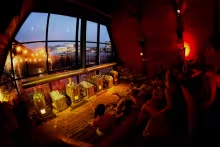
SALT Saunas
Oslo´s party sauna
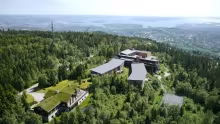
Soria Moria Hotell
Oslo's fjord views from the forest
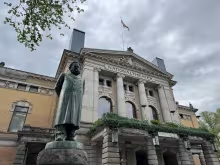
The National Theatre
Oslo´s 1899 neo-renaissance landmark
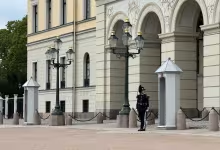
The Royal Palace Oslo
Summer tours & changing of the guard
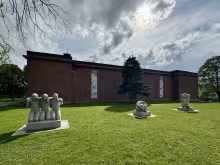
Vigeland Museum
The sculptor’s home & studio
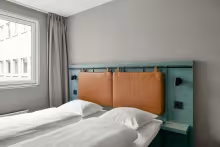
Scandic Vulkan
Basecamp in hipster Grünerløkka

Comfort Hotel Børsparken
A serious gym with rooms
Jul i Vinterland
Oslo's central christmas market
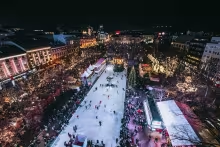
Oslo Badstuforening Saunas - Sukkerbiten
Woodfired saunas & fjord dips
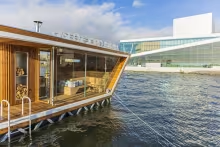
Radisson Blu Scandinavia Hotel, Oslo
Views & pool in the city centre
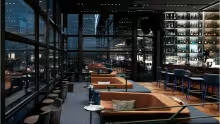
Comfort Hotel Karl Johan
Central, cheap, noisy

Anker Hotel
Oslo on a budget, no frills
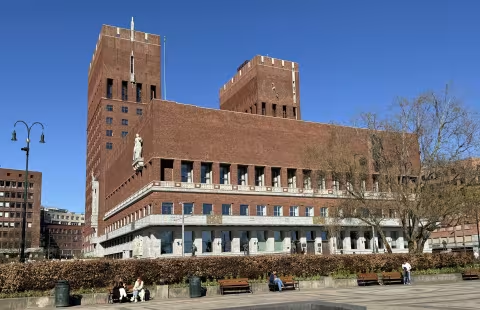
A functioning municipal seat that doubles as a concentrated gallery of postwar Norwegian civic art and the annual host venue for the Nobel Peace Prize ceremony.
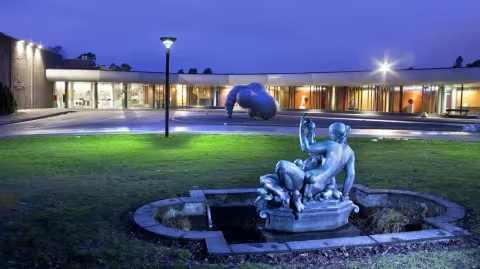
This modernist landmark offers a rare mix of heavyweight art—from Picasso to Kusama’s infinity room—set within a sprawling fjord-side sculpture park.
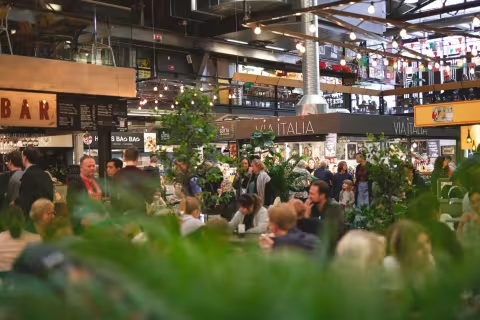
Sample a wide range of Oslo’s best casual food and local producers under one roof at Oslo´s largest food hall.
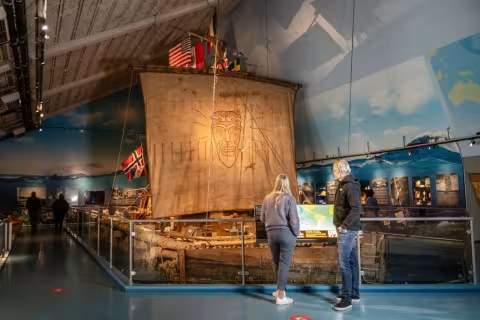
See and stand underneath the original balsa wood raft that Thor Heyerdahl sailed 8,000 kilometers across the Pacific in 1947 to prove ancient peoples could have crossed oceans
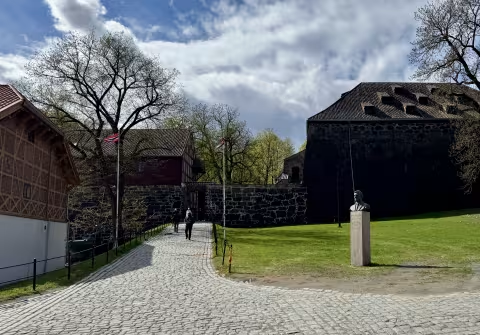
Walk the ramparts of a 700-year-old fortress, see where Norwegian kings and queens are buried, explore WWII resistance history in atmospheric museums, and watch sunset over Oslo's harbor from the best free viewpoint in the city.
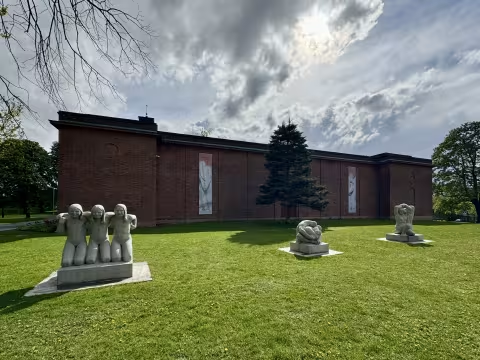
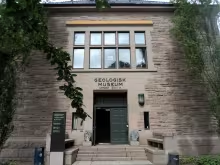
The museum hold the original plaster models for almost all sculptures in the Vigeland Sculpture Park, plus tools and sketches that show how each piece was made. You can examine the full-scale plaster Monolith and see individual figures in a way that´s impossible in the park due to the height of the column.
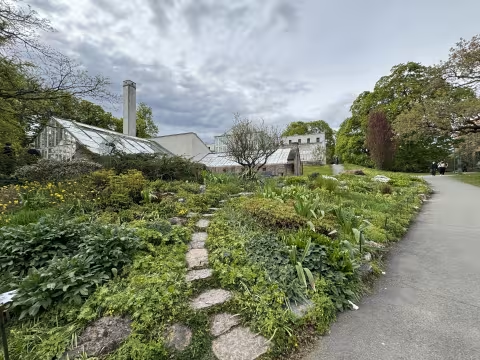
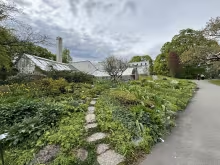
Norway's oldest botanical garden (established 1814) with free admission to 6.5 hectares of geographically organized plant collections, a Victorian Palm House from 1868, and modern climate-controlled greenhouses.
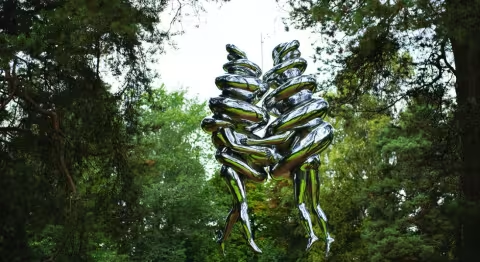
Over 40 sculptures by Dalí, Rodin, and Louise Bourgeois scattered through a wild forest overlooking the fjord. Stand where Edvard Munch painted The Scream's background, all with free 24-hour access.
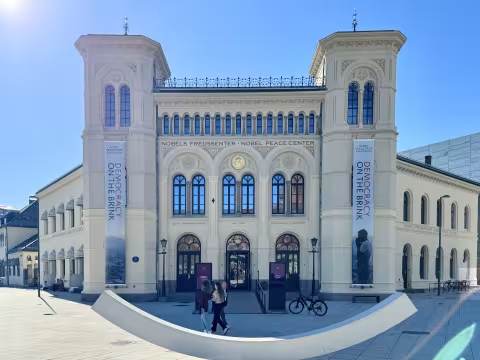
Experience the public storytelling side of the Nobel Peace Prize through an immersive dark room with 1,000 fiber-optic laureate portraits, see an actual gold peace medal, and engage with current year exhibitions about conflict resolution 50 meters from where the actual prize ceremony happens.
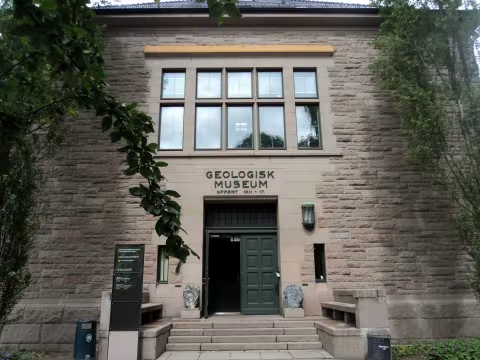
A single urban complex that houses Norway's most extensive natural science collections together with a historical botanical garden and interactive mineral and climate displays.