By: Chris ⎜ Last updated
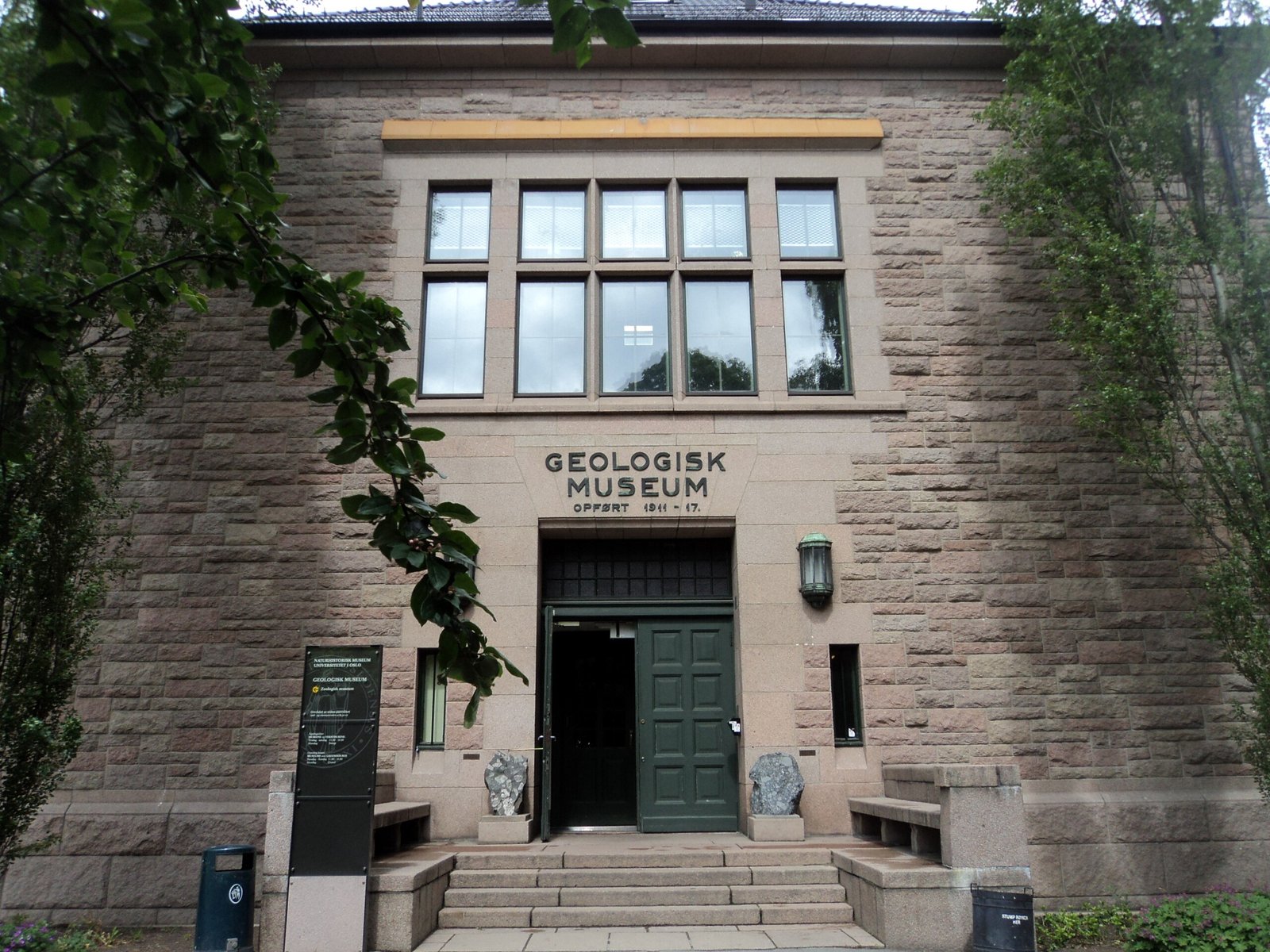
Oslo's Natural History Museum (Naturhistorisk museum) sits inside the Botanical Garden at Tøyen, about 5 minutes east of the city centre by Metro. It's part of the University of Oslo, and it holds Norway's largest collection of natural science objects. Six million of them, though only a fraction is on display.
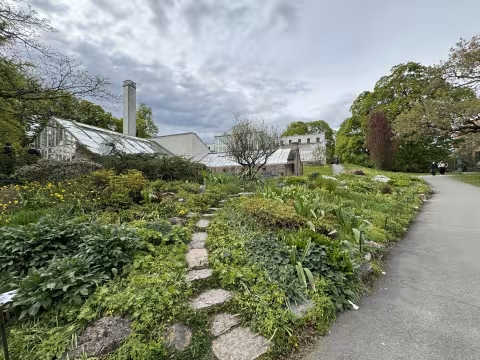
The museum is spread across separate buildings inside the garden grounds: Brøggers hus for geology and paleontology, Colletts hus for zoology, and the newer Klimahuset (Climate House) for climate science. One ticket covers everything. The Botanical Garden itself is free and open daily from 07:00, so even if you don't go into the museum buildings, the garden is worth the trip on its own.
Brøggers hus: the geology building
This is the building to prioritise. Brøggers hus went through a massive seven-year renovation and reopened in 2022 with what are now the largest geological exhibitions in the Nordic countries, spread across four floors in a beautiful early 1900s building that still has its original jugendstil interiors. Daylight floods in through the tall windows, which gives the whole place a different feel from most museums.
The ground floor has the dinosaurs, including Stan, a full-size Tyrannosaurus rex cast, and Roar, a real 67-million-year-old Triceratops skull donated to the museum by a private collector. The Svalbard ichthyosaur is here too. The fossil and evolution sections take the story from the earliest life on Earth through to early humans, and they're well-paced with enough information to be interesting without overwhelming you.
Go upstairs for the mineral collection. The second floor has a heritage room from 1920 that's protected by Riksantikvaren (Norway's heritage authority), and the mineral displays inside it are exceptional. Somewhere between 1,500 and 2,000 specimens, from rough Norwegian rock to cut gemstones, all in the original glass cabinets with modern lighting. It´s the standout collection here, but to be frank you probably need some special interest in rocks to appreciate it.
The real surprise is downstairs. Krystallgrotten (the Crystal Cave) in the basement recreates the inside of a giant geode. It's the kind of thing that sounds gimmicky until you walk into it. The space section occupies the top floor, covering meteorites, Moon rock, and Earth's place in the solar system.
Ida lives here too. The 47-million-year-old primate fossil, one of the most complete early ancestor specimens ever found, sits in its own display. The museum bought it in 2007 and presented it to the world in 2009.
Colletts hus: the zoology building
Colletts hus takes a more traditional approach. The displays are taxidermy animals arranged in diorama settings that recreate their natural habitats, complete with painted backdrops, vegetation, and careful lighting.
The Norwegian wildlife sections are where this building earns its keep. Arctic fox, polar bear, reindeer, moose, all in recreated Nordic landscapes with enough detail to notice something new if you look closely. The quality of the taxidermy and set design is high, and these rooms give you a feel for Norway's ecosystems that's hard to get anywhere else in the city.
The international sections covering animals from the rest of the world are a different story. They feel older and more crowded, with less thought behind the presentation. If time is tight, skim through these and spend your energy on the Norwegian dioramas and spend most of your time at Brøggers hus.
Klimahuset
The Climate House opened in 2020 and takes a different approach from the older buildings. It's interactive and focused on climate change science, with exhibits designed around solutions rather than just the problem. The amphitheatre hosts regular talks and events.
Opinions split on this one. Some visitors find the interactive elements engaging, others think the content is too surface-level to justify the time. If you're working through the museum on a tight schedule, Klimahuset is the first thing to drop. If you have a full morning, it rounds out the visit nicely as a change of pace from the display cabinets in the other buildings.
How to plan your visit
Budget 1.5 to 2.5 hours for the museum buildings. If you want to combine it with the Botanical Garden (and in spring or summer, you should), plan for a half-day including a stop at the Handwerk Cafe, one of the most charming places to sit down for a coffee in Oslo. The garden has the Palmehuset (Palm House, from 1868), the Victoriahuset with its giant water lilies, and a series of themed outdoor gardens, all free.
Go on a weekday. On Saturdays and during school holidays, the museum fills with families and small children, and it gets loud. Several floors are designed with kids in mind, which is great if you're bringing some, but less great if you're trying to read the information panels in the fossil gallery while a class of six-year-olds runs through it. Tuesday to Friday mornings are noticeably quieter.
Start in Brøggers hus. The geology building is the strongest part of the museum and you want to see it with fresh energy. Work through the dinosaurs on the ground floor, head upstairs for minerals, then down to the Crystal Cave. After that, cross to Colletts hus for the Norwegian wildlife dioramas. If you still have time and interest, finish with Klimahuset.
Free guided tours
The museum runs free guided tours several times a week, included with your ticket. Check the events calendar before you go. The geology tours are particularly good.
Tickets and practical details
At 2026 prices: Adult admission is 180 NOK. Children 6-17 pay 90 NOK. Under 6 is free. The Oslo Pass includes free entry. The museum is open daily 10:00 to 17:00. The Botanical Garden opens at 07:00 year-round, closing at 21:00 in summer (through September) and 17:00 in winter.
Check nhm.uio.no for current hours, prices and any building closures before your visit.
Lockers are available in the basement of Brøggers hus for bags and coats. Toilets with baby-changing facilities are in all exhibition buildings. The museum shop sells minerals, dinosaur models, books, and botanical prints. Prices are on the steep side, but the mineral selection is more interesting than your average gift shop.
Skip it?
If you've been to the Natural History Museum in London, the Naturkundemuseum in Berlin, or similar large-scale institutions, this is a smaller and more modest operation. The geology building after its renovation holds its own against any of them, but the zoology side and the overall scale are not in the same league. Set expectations accordingly and you won't be disappointed.
Adults without a particular interest in geology, minerals, or paleontology who are also visiting without children may find it doesn't compete for time against Oslo's stronger museums. With the Oslo Pass it's an easy add-on, especially if you're already visiting the Botanical Garden. At full ticket price on a tight schedule, MUNCH and the National Museum offer a more unique experience and art you cannot find anywhere else.
What to do nearby
Hotels nearby