By: Chris ⎜ Last updated
One of the best things to do in Oslo costs nothing. The Botanical Garden (Botanisk hage) at Tøyen is free to enter, open every day of the year, and manages to be both a legitimate scientific institution and one of the most pleasant places to spend a morning in the city.
The garden sits on the Tøyen estate, which has been here since the Middle Ages, and has operated as a botanical garden since 1814. It belongs to the University of Oslo's Natural History Museum, which means this is a working scientific collection rather than just a pretty park. You'll notice the difference: everything is meticulously labelled, the plantings are deliberate rather than decorative, and the gardeners clearly take it seriously. Around 4,500 plant species are spread across themed sections and two greenhouses, all within easy walking distance of each other.
Start with the greenhouses
The greenhouses are the highlight, and the place to go first. They open at 10:00 (the garden itself opens at 07:00), so if you arrive early, walk the outdoor paths first and circle back once the doors open.
Victoriahuset
Victoriahuset is the one you don't want to miss. Built in 1876 and celebrating its 150th anniversary in 2026, it's a preserved Victorian-era greenhouse that feels fully tropical the moment you step inside. The air is warm and humid, the smell is earthy and floral, and in the central pool sit the giant Victoria water lilies that gave the building its name. The leaves can reach up to three metres across. Around the edges, the building is packed with plants you'd normally only see near the equator: vanilla, cinnamon, cocoa, papaya, sugarcane, even cotton and rice. The room to the left is dense with orchids and bromeliads; the room to the right covers African species.
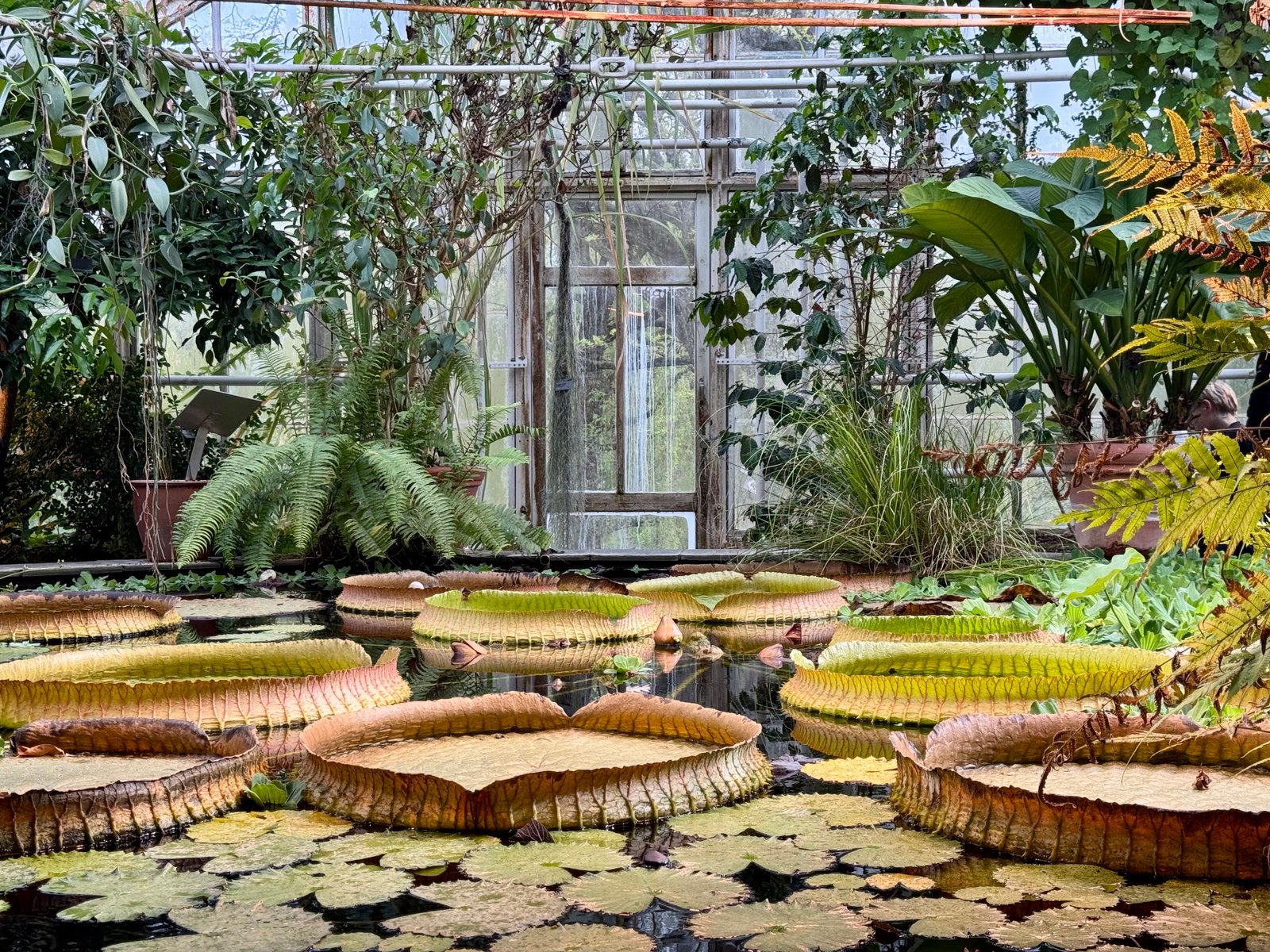
If you're lucky with timing, the lotus flowers will be in bloom. The staff also grow what they claim is the world's smallest flowering plant, tiny specks floating in a bowl of water near the lily pool. Easy to walk right past if you're not looking.
Palmehuset
Palmehuset (the Palm House) is the other greenhouse, and it's a good complement. Mediterranean and subtropical plants, quieter than Victoriahuset, and a different atmosphere. Together the two take about half an hour.
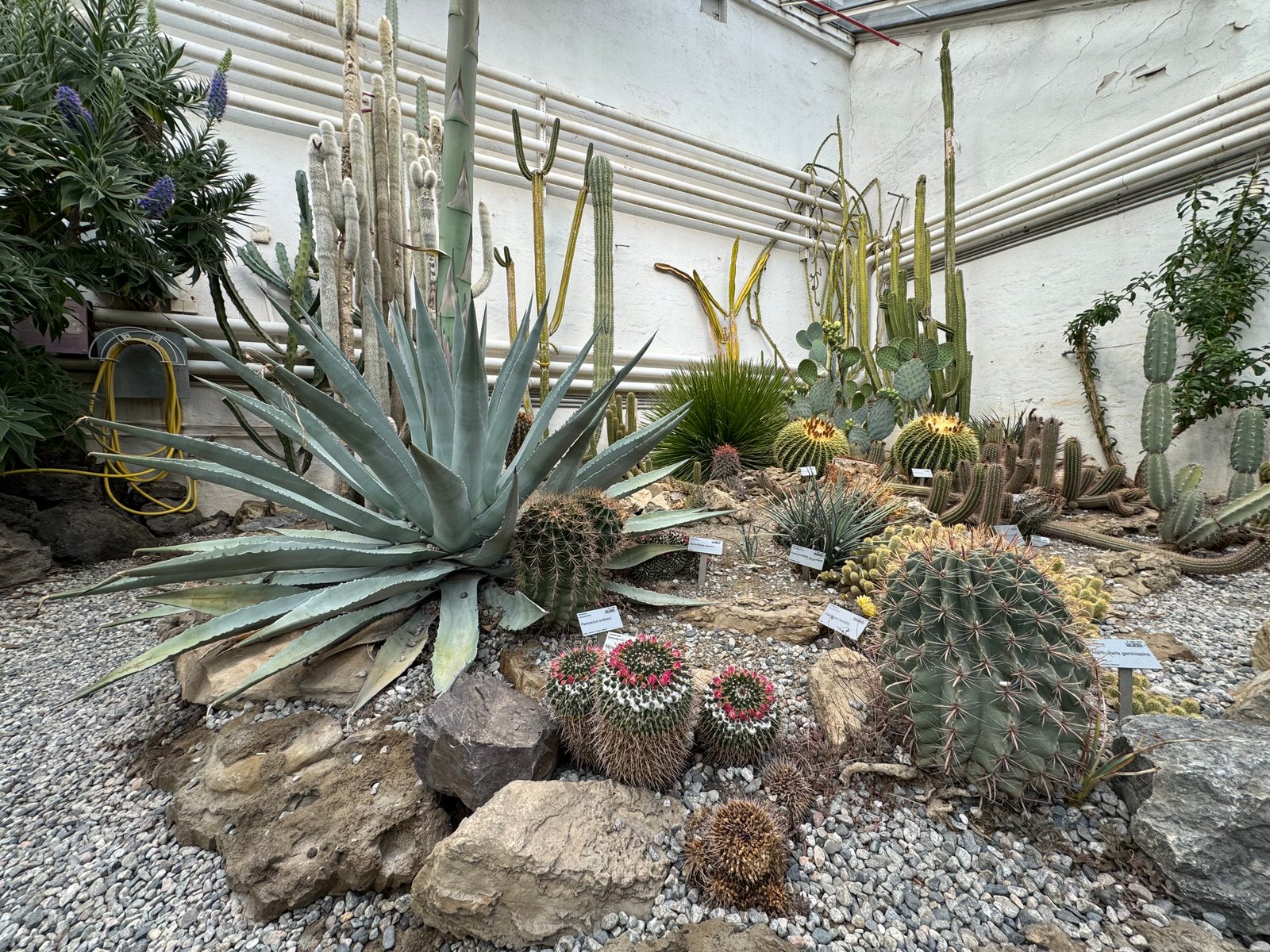
On a cold or rainy day, the greenhouses alone justify the visit. They're warm, fragrant, and full of colour while everything outside is bare. If you're here in winter, there might not be much to see outdoors, but the greenhouses are open all year round.
Fjellhagen (Rock Garden)
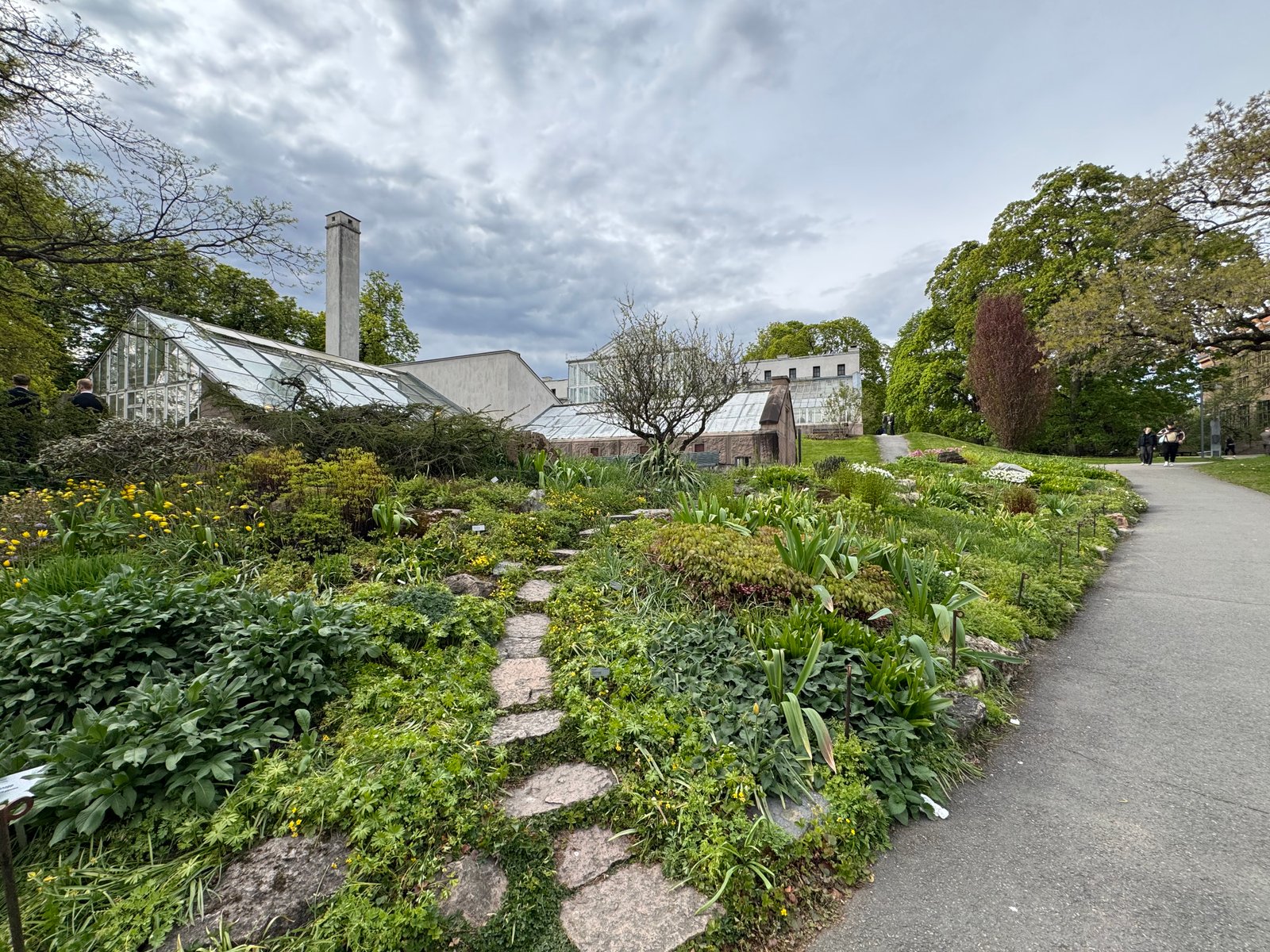
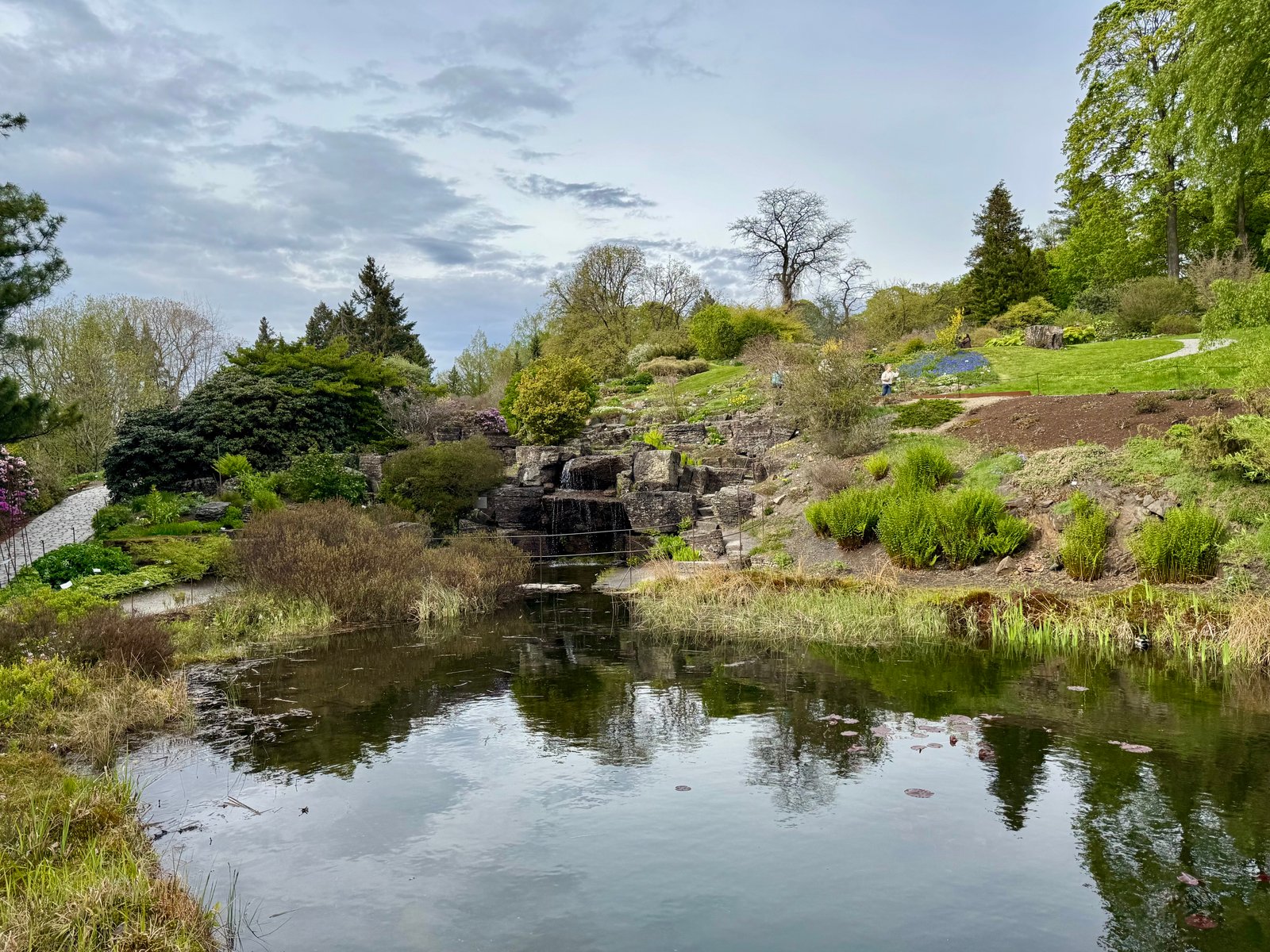
The section most visitors wander past without realising what they're looking at. Fjellhagen (the Rock Garden) is tucked into the hillier southern part of the grounds, to the left after entering through the southern gates, and holds around 1,700 species of alpine plants arranged among rocks that have been brought in from across Norway. The idea is that different rock types create different soils, which create different habitats, so the ridge itself tells a geological story. Granite in one section, shale in another, marshy patches next to gravel beds. It's a collaboration between the museum's botanists, geologists, and gardener.
The paths wind through in a way that rewards wandering. You'll turn corners and find new sections, which is half the point. If you only have an hour, the greenhouses plus Fjellhagen is the combination to prioritise.
The rest of the outdoor garden
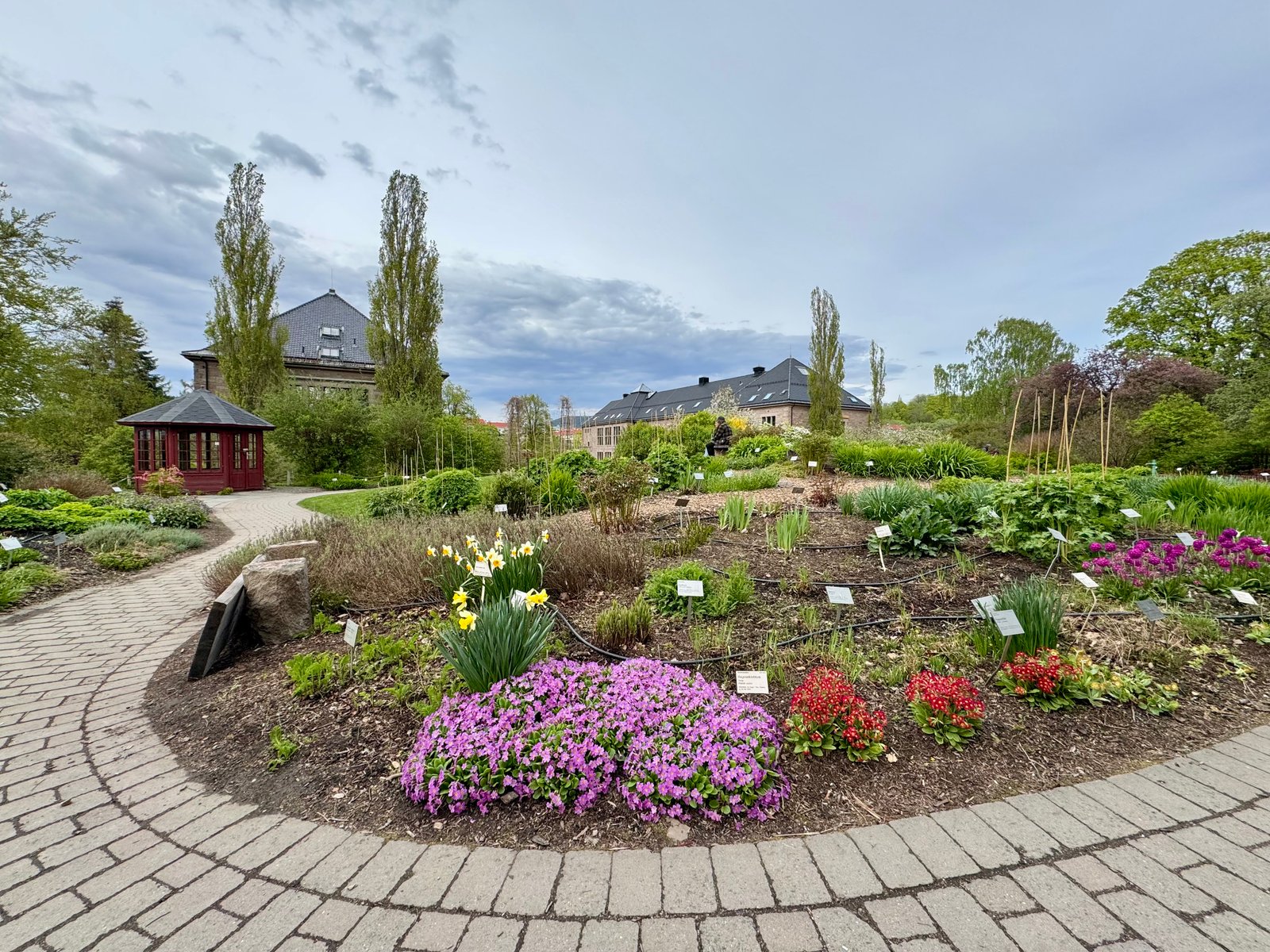
The majority of the grounds are laid out as an arboretum, with some trees over 200 years old. It's a large space, big enough that even on a sunny weekend it doesn't feel overcrowded. Beyond Fjellhagen, a few other sections are noteworthy, mentioned in order of our priority.
Oldemors hage (Grandma´s Garden) preserves traditional Norwegian garden plants and is specifically designed as a sensory garden, with strong scents and textures. The Scent Garden (Dufthagen) has raised beds with Braille labels, designed for visually impaired visitors and easily accessible by wheelchair. The Viking Garden is a reconstructed planting showing what Vikings grew for food, medicine, and craft. It's small but well-presented and surprisingly hands-on. The Herb Garden (Urtehagen) has around 300 species of medicinal and culinary plants, labelled with their historical uses.
When to go
Spring and summer are obviously the best seasons for the outdoor gardens. Late May and June are peak bloom. But the greenhouses are open year-round, and winter visits have their own appeal if you know to head indoors.
Weekday mornings are the quietest window. The garden is open from 07:00, but aim for between 10:00 (when the greenhouses open) and around 11:30 before the lunch crowd arrives. Weekend afternoons, especially in summer, draw bigger numbers, though the garden is large enough to absorb them without feeling packed.
Free guided tours run on Sundays from July through September, starting at 13:00. They last about an hour, cover the garden's history and seasonal highlights, are offered in both English and Norwegian, and don't require registration. Guided tours start outside the Botanical Museum.
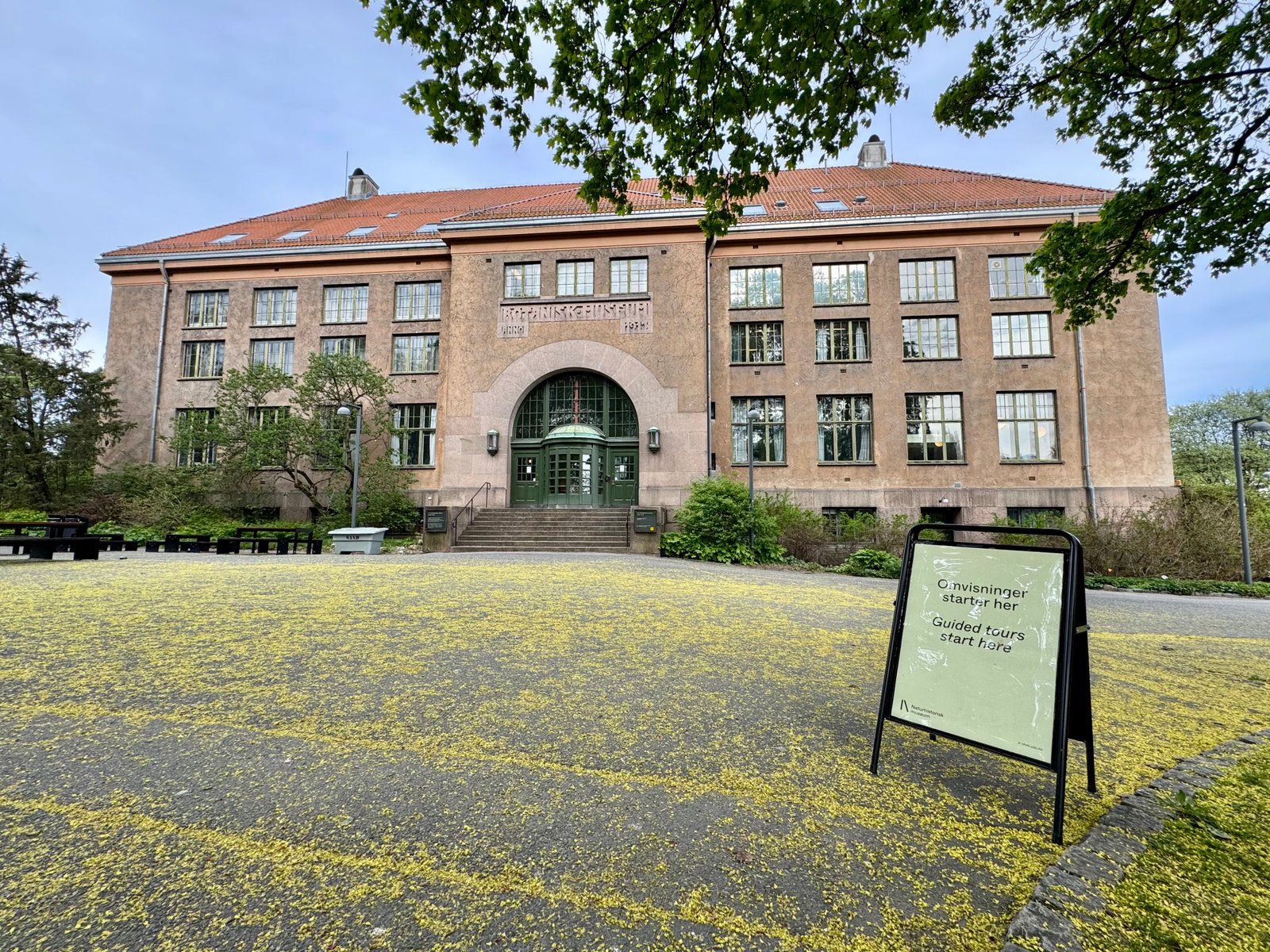
The garden gates stay open until 21:00 from April to September. A late afternoon visit in June or July, when the light is long and you have the best light for photographies, is one of the nicer ways to spend an Oslo evening. Be like a local, bring a picnic and sit down on the grass.
Allow 1.5 to 2 hours for a proper visit covering both greenhouses and the main outdoor sections. You could spend longer if you're a keen plant person or want to sit and read on the lawn, but 90 minutes will cover the highlights comfortably.
Handwerk Botaniske café
The on-site café sits inside Tøyen Hovedgård (Tøyen Manor) in the middle of the par, which is the oldest known preserved timber building in the Oslo area. The setting is lovely. In summer, the outdoor tables under a large tree, surrounded by garden beds, may be the most pleasant place to sit with a coffee in the entire city. In winter, the interior has a cosy, slightly rustic feel with a fireplace room off to one side.
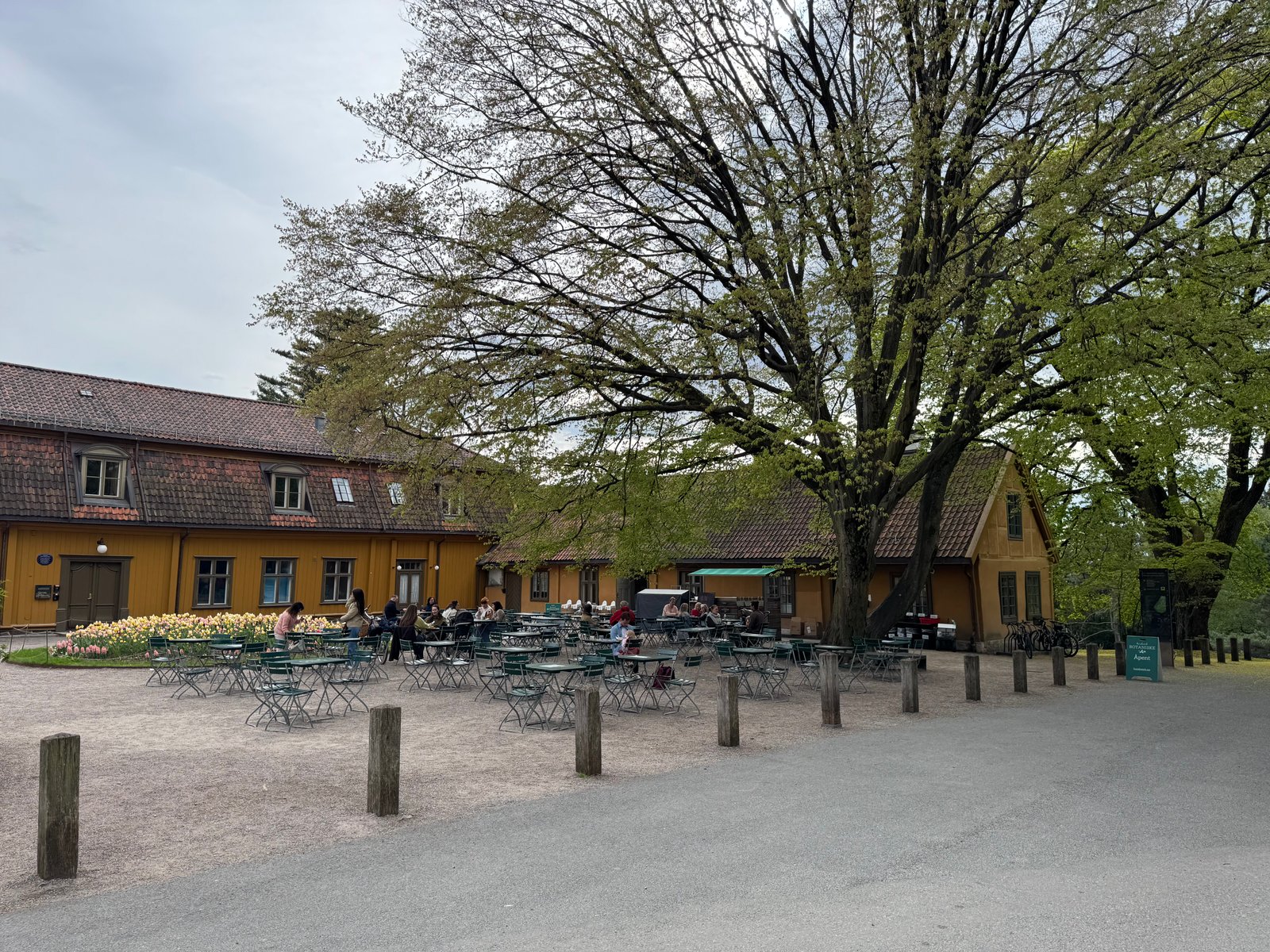
That said, the café gets mixed marks on execution. The coffee is (at least at the time of writing) only black filter coffee, no espresso based coffees. The only thing you can choose from is a small or a large filter coffee. The food is a mixed bag.
What to order: don't expect any culinary highlights here, but the cinnamon buns (kanelboller or kanelknuter) are consistently amongst the best thing in the display case, often freshly baked. The sveler (thick Norwegian pancakes served with sour cream, brown cheese, and stirred berries) are a local favourite and harder to find at other cafés. The sourdough sandwiches are solid, particularly the egg salad version. The focaccia is decent too.
The café is open year-round. It tends to sell out of food by early afternoon on busy days.
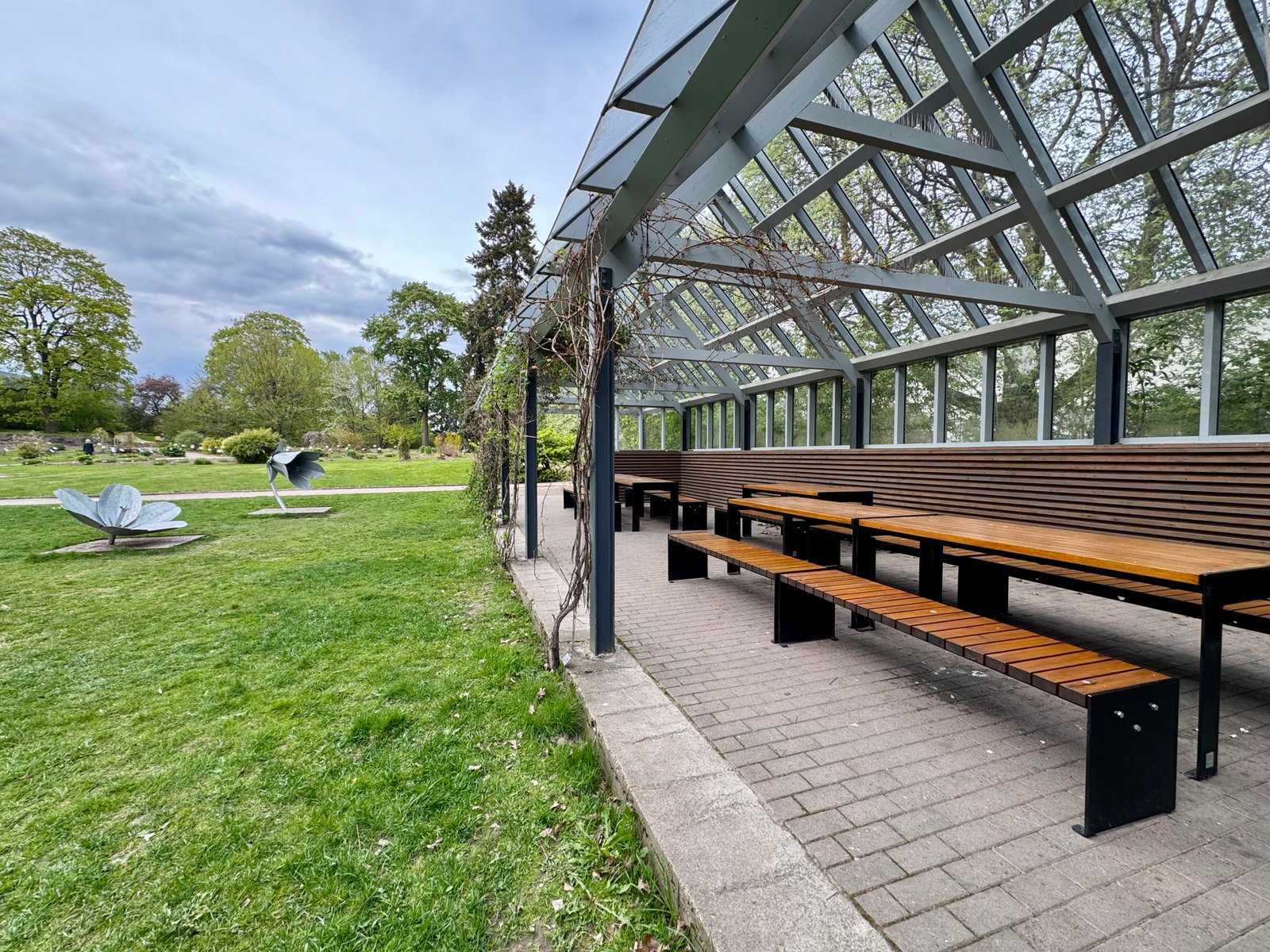
If you prefer to eat your own picnic there are plenty of benches around the park.
The Natural History Museum
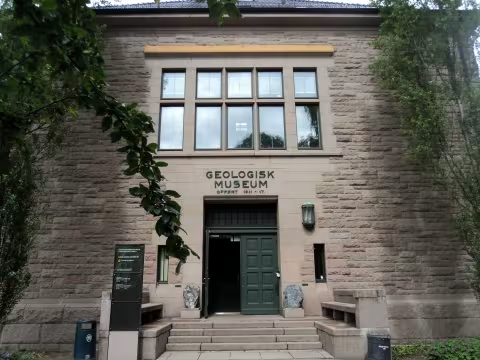
The Natural History Museum sits within the garden grounds and has separate paid admission. It covers zoology (including an extensive Norwegian wildlife section), geology (the rock and mineral collection is particularly good), and a well-regarded climate change exhibition.
What to do nearby
Hotels nearby