By: Chris ⎜ Last updated
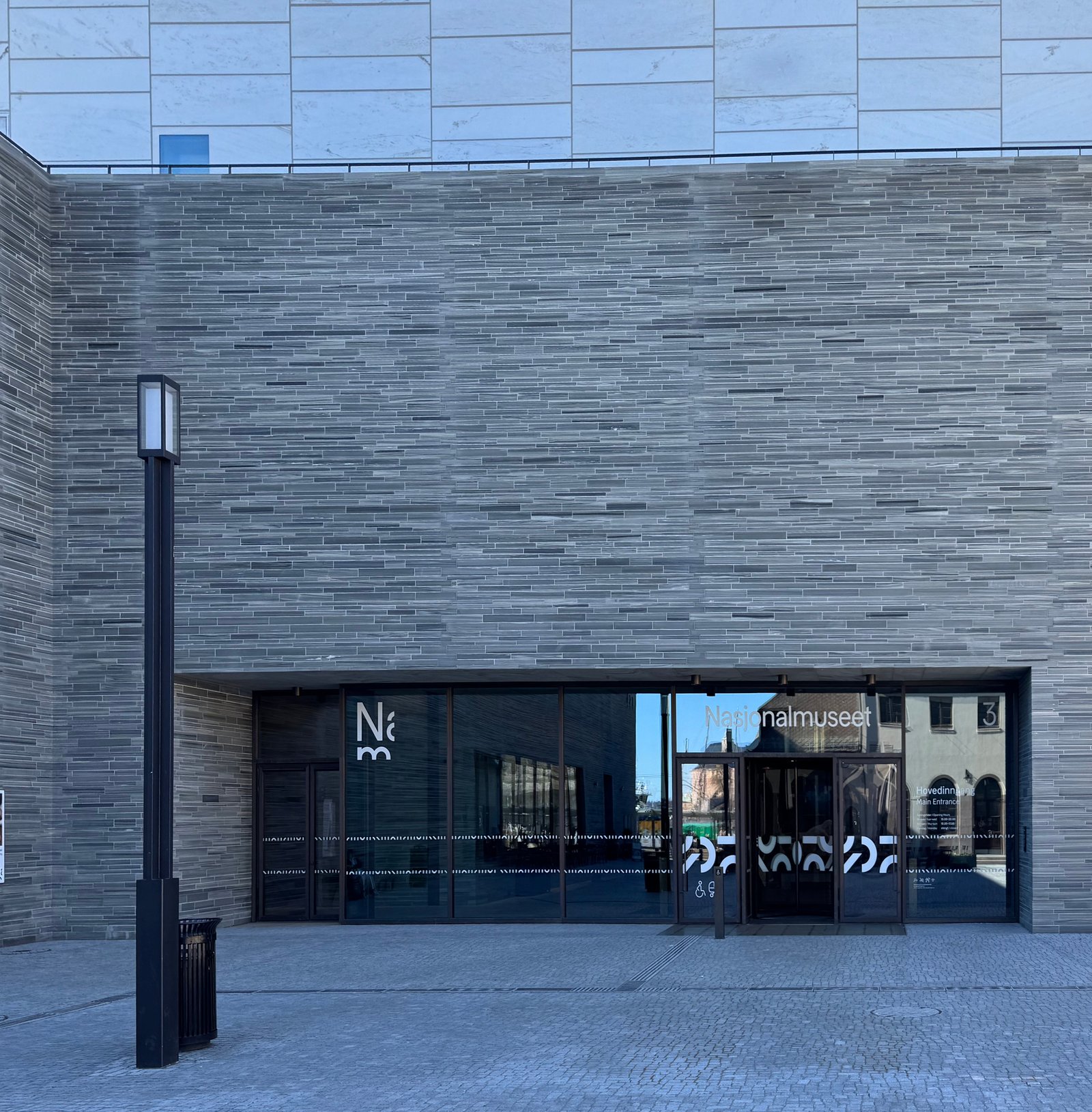
The National Museum is one of Oslo's best museums. It's full of art, design, architecture, folk imagery, fashion, craft, and a room full of Munch, including the 1893 painted version of The Scream. The version you will see here is the most popular oil on canvas image. MUNCH in Bjørvika has three different versions of The Scream, with only one displayed at any time, so you can't always be sure which version of The Scream you will see there.
This place is enormous. One room bleeds into the next, and the hours will fly if you plan on seeing all the collections. You would need up to three hours for a full visit. While you can do it faster if you only care about seeing Munch and the Norwegian painting highlights, if you are serious about art, design, or architecture, set aside several hours.
National Museum or MUNCH?
Go to the National Museum if you want a full range of art from different artists. You'll find Norwegian art from the national-romantic painters through to modern work, Kittelsen's trolls, design and craft collections, and of course The Scream alongside several other Munch pieces. It is a better choice for someone who wants a breadth of art.
Choose MUNCH if your interest is Edvard Munch as an artist, not just as the person who painted The Scream. MUNCH goes deep into his life and career, and the building itself is more dramatic.
Do not do both back-to-back. That is most likely to turn into museum fatigue.
How to spend two hours
Start with the Munch Room (room 60) which is relatively empty if you arrive early. The room is dim for conservation reasons, and The Scream is smaller and more fragile-looking than you might expect. That is part of what makes seeing it here different from the reproductions. Madonna hangs in the same room, and the surrounding Munch works make it obvious that Munch is so much more than one anxious face on a bridge.
From there, head to the Norwegian painting rooms where you will see the mountains, forests, fairy tales, poverty, and a particular kind of melancholy that runs through so much Norwegian art.
After the painting rooms, spend 15 to 20 minutes in the design and craft sections. The National Museum is not only a fine-art museum, and the design material is part of what makes it a better one-museum choice than MUNCH for someone who enjoys cultural breadth.
Room 64 - The fairy tale room
Room 64 is the Fairy Tale Room, where Theodor Kittelsen's trolls, water spirits, forests, and Soria Moria imagery are displayed together. His work has shaped the visual language that Norwegians still use for fairy tales, cabins, darkness, and the slightly uneasy feeling that nature is watching you. The room is darker and stranger than the bright painting galleries.
If you are travelling with children who are losing patience with paintings, bring them here. It is usually the room that holds their attention longest.
The Light Hall
The Light Hall is the glowing box at the top of the building. From the outside, especially after dark, it is the most visible part of the museum. Inside, it is a large temporary exhibition space, and its quality depends on what is showing.
Nearby
The National Museum is located at the start of Aker Brygge.
The Nobel Peace Center is right next door; it's a smaller and a much quicker visit than the National Museum, but also completely different. It will teach you about the Peace Prize and prior recipients. Oslo City Hall is a couple of minutes' walk and free to enter, and is the place where the Peace Prize ceremony is held annually. The interior murals are worth 20 minutes even if you have no interest in municipal politics.
If you want to keep walking after the museum, head along the waterfront toward Tjuvholmen. The Astrup Fearnley Museum is at the other end of Aker Brygge, but only go in if contemporary art is a real interest. The sculpture park outside (behind the museum) is free, small and worth a quick walk.
What to do nearby
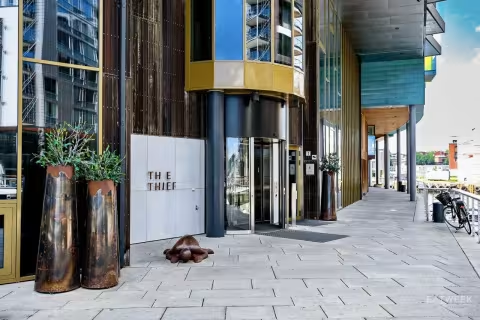
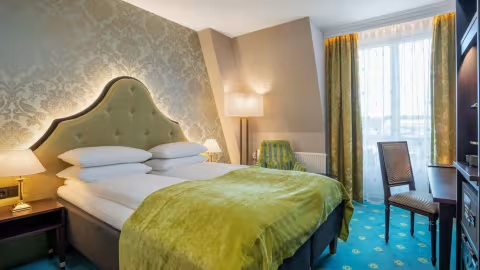
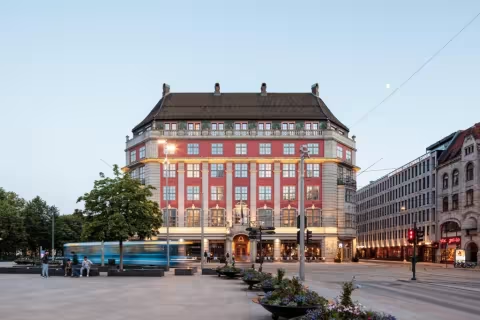
Hotels nearby