Norwegian Museum of Cultural History

A concentrated, walkable collection of authentic Norwegian buildings and interiors that includes a medieval stave church and dedicated galleries for costume and craft. It is the only place in Oslo where you can physically walk from the Black Death era (1300s) to the Nokia era (1990s) in less than 20 minutes.

The Norwegian Museum of Cultural History (Norsk Folkemuseum) is a massive, open-air time machine. Imagine if someone airlifted 160 buildings from every corner and century of Norway and dropped them into a forest 10 minutes from the city centre. That is Norsk Folkemuseum.

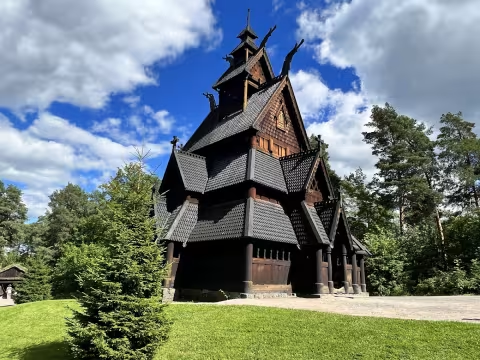
It is split into two distinct worlds: the Rural Section, with sod-roofed farmhouses and the iconic Gol Stave Church, and the Old Town (Gamlebyen), a reconstructed city street with brick buildings and apartments. The 19th century apartment block Wessels gate 15 in the Old Town was moved here brick-by-brick. Inside, eight different apartments are frozen in time, from an 1879 widow's home to a 2002 Pakistani immigrant family's living room. It offers a voyeuristic and incredibly nostalgic look at how real Norwegians lived.


Winter Magic: If you visit during select days in December, this is the site of Oslo’s best and largest Christmas Market. However, in regular winter (Jan-March), the rural houses are often locked, and you can only peek through windows.

Highlights


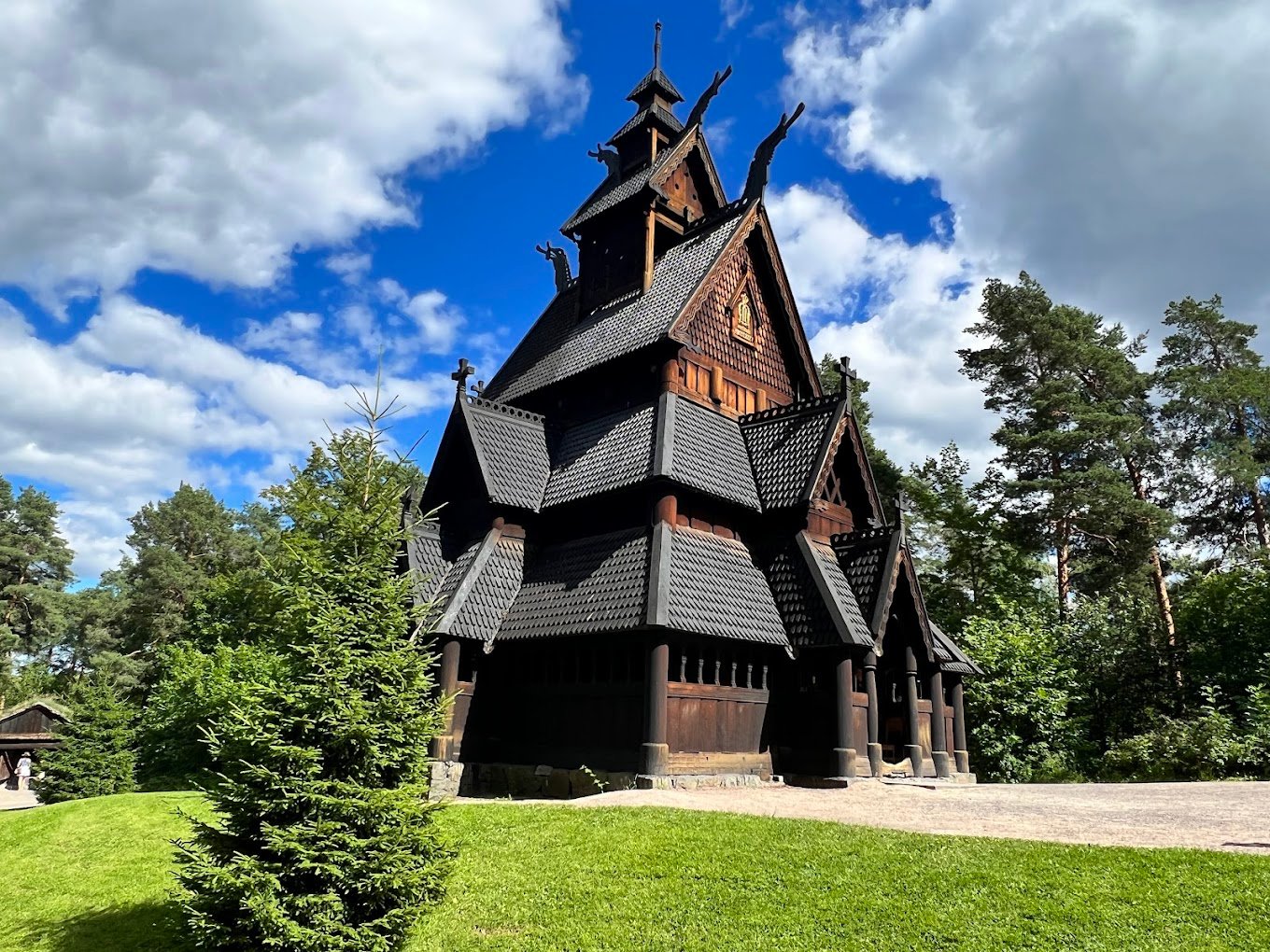
Enter the Stave Church: Walk up the hill to see the Gol Stave Church (built c. 1200). It is one of the few remaining originals in the world, smelling of 800-year-old tar and pine.
Time Travel in Wessels gate 15: Visit the 1979 "Architect's Home" and the 1950s "Housewife's Kitchen" in the apartment block to see retro Norwegian design in vivid detail.
Eat Fresh "Lefse": Follow the smell of woodsmoke to one of the historic farmhouses (usually in the Numedal section) where women in traditional costumes bake and sell fresh lefse (soft flatbread) with butter and sugar right off the griddle.


Best time to go


Weekdays in the morning for less crowds. On weekends, it is packed with families. Exception: Some activities are only during weekends. Check their calendar in advance on the official website.

Time needed


2–4 hours (half day if you want a relaxed visit or to see temporary shows)

Getting there


Easiest: Take Bus 30 (Bygdøy) from the National Theatre or Oslo Central Station to the stop Folkemuseet. It runs year-round and drops you right at the gate. During summer you can take the Bygdøy Ferry from the City Hall pier to Dronningen. It’s a 10-minute walk up the hill through a wealthy residential neighborhood to reach the museum.

What to do nearby


0.2km
A largely 12th-century stave construction preserved through 19th-century relocation and restoration. It is the most accessible stave church in Norway.
0.3km
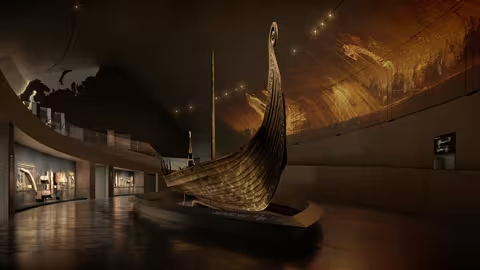
See three internationally important Viking Age burial ships, including the exceptionally complete Oseberg, and the associated grave goods that provide direct evidence of 9th-century shipbuilding and elite burial practice.
0.8km
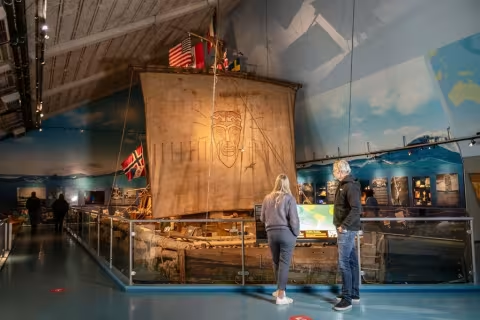
See and stand underneath the original balsa wood raft that Thor Heyerdahl sailed 8,000 kilometers across the Pacific in 1947 to prove ancient peoples could have crossed oceans

Hotels nearby


1.4km
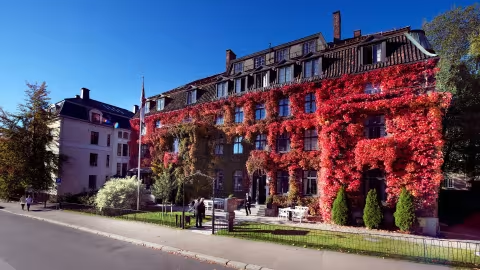
Three included meals a day in one of Europe's most expensive cities, inside a building with actual character.
1.9km
A genuinely atmospheric boutique hotel with one of Oslo's best breakfasts, in a quiet upscale neighborhood.
1.9km Insider pick
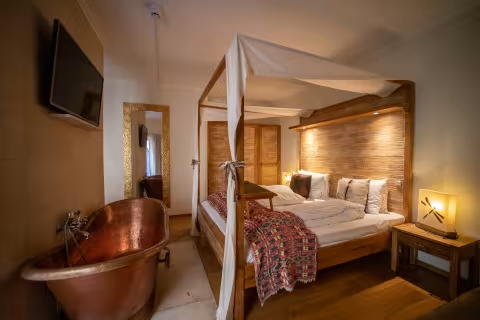
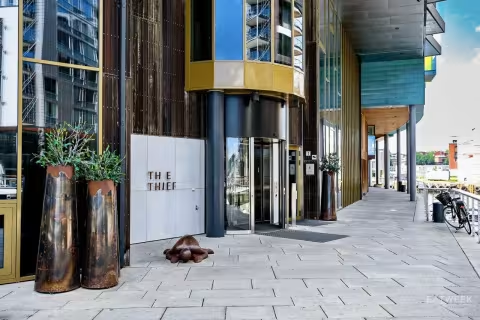
A design hotel with a real art collection and fjord views. It´s the most atmospheric splurge in the city.