Norwegian Museum of Cultural History

A concentrated, walkable collection of authentic Norwegian buildings and interiors that includes a medieval stave church and dedicated galleries for costume and craft. It is the only place in Oslo where you can physically walk from the Black Death era (1300s) to the Nokia era (1990s) in less than 20 minutes.

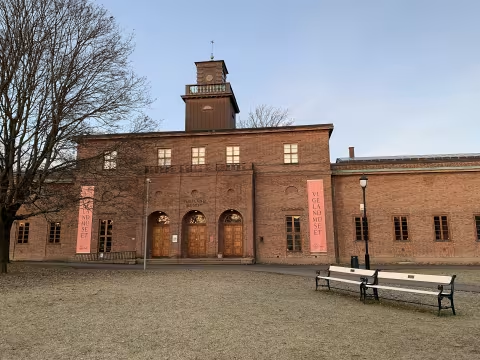
The Norwegian Museum of Cultural History (Norsk Folkemuseum) is a massive, open-air time machine. Imagine if someone airlifted 160 buildings from every corner and century of Norway and dropped them into a forest 10 minutes from the city centre. That is Norsk Folkemuseum.

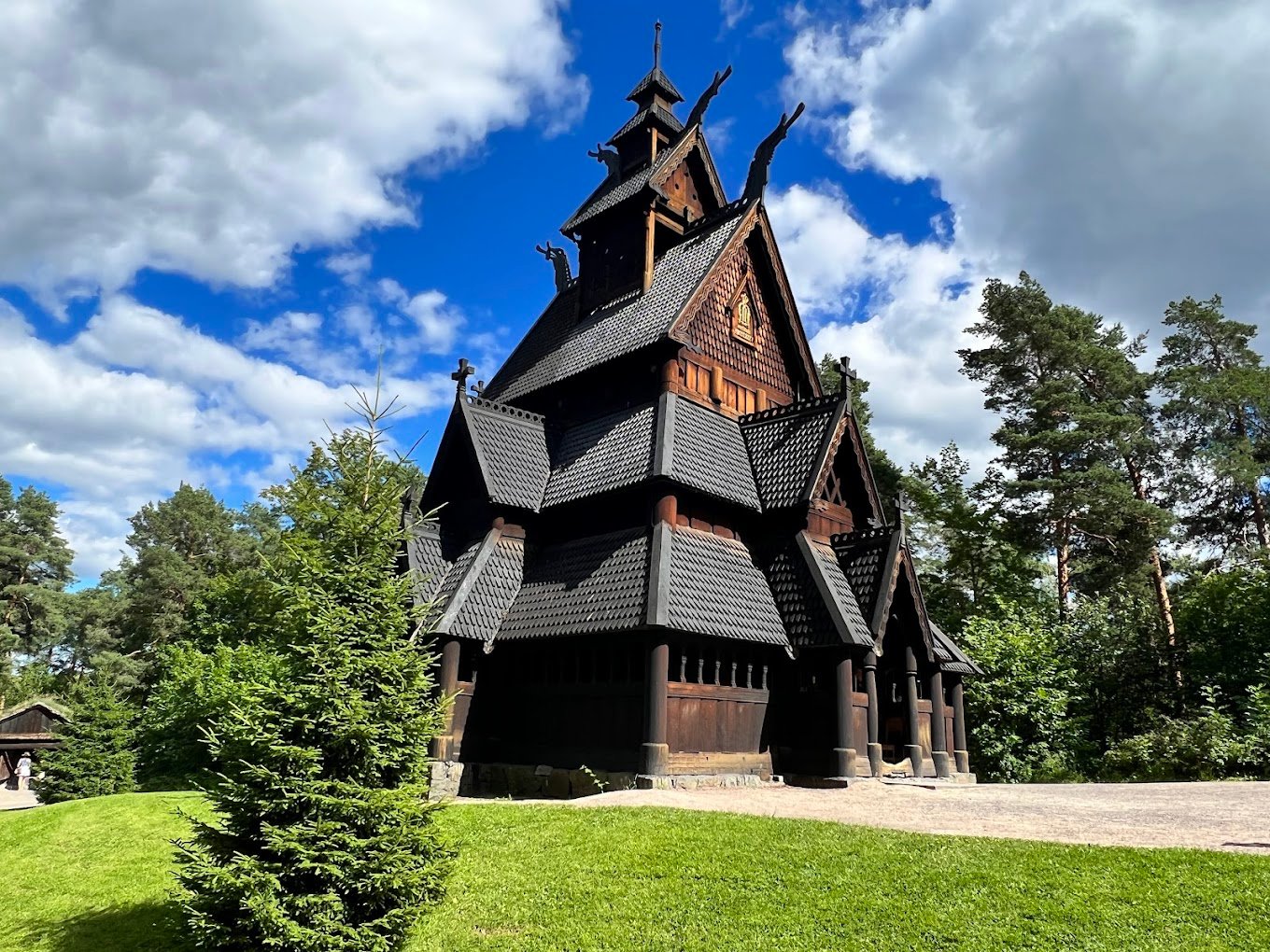
It is split into two distinct worlds: the Rural Section, with sod-roofed farmhouses and the iconic Gol Stave Church, and the Old Town (Gamlebyen), a reconstructed city street with brick buildings and apartments. The 19th century apartment block Wessels gate 15 in the Old Town was moved here brick-by-brick. Inside, eight different apartments are frozen in time, from an 1879 widow's home to a 2002 Pakistani immigrant family's living room. It offers a voyeuristic and incredibly nostalgic look at how real Norwegians lived.


Winter Magic: If you visit during select days in December, this is the site of Oslo’s best and largest Christmas Market. However, in regular winter (Jan-March), the rural houses are often locked, and you can only peek through windows.

Highlights


Enter the Stave Church: Walk up the hill to see the Gol Stave Church (built c. 1200). It is one of the few remaining originals in the world, smelling of 800-year-old tar and pine.
Time Travel in Wessels gate 15: Visit the 1979 "Architect's Home" and the 1950s "Housewife's Kitchen" in the apartment block to see retro Norwegian design in vivid detail.
Eat Fresh "Lefse": Follow the smell of woodsmoke to one of the historic farmhouses (usually in the Numedal section) where women in traditional costumes bake and sell fresh lefse (soft flatbread) with butter and sugar right off the griddle.


Best time to go


Weekdays in the morning for less crowds. On weekends, it is packed with families. Exception: Some activities are only during weekends. Check their calendar in advance on the official website.

Time needed


2–4 hours (half day if you want a relaxed visit or to see temporary shows)

Getting there


Easiest: Take Bus 30 (Bygdøy) from the National Theatre or Oslo Central Station to the stop Folkemuseet. It runs year-round and drops you right at the gate. During summer you can take the Bygdøy Ferry from the City Hall pier to Dronningen. It’s a 10-minute walk up the hill through a wealthy residential neighborhood to reach the museum.

What to do nearby


0.9km Insider pick
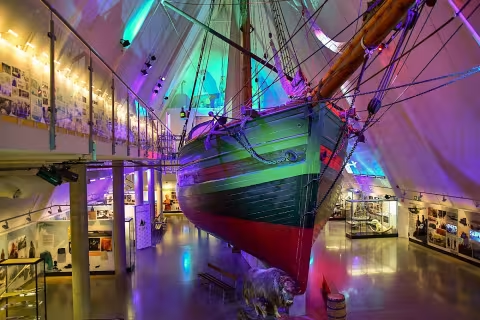
A preserved polar exploration ship with connected exhibition galleries that let visitors board the vessel and examine original expedition equipment and ship construction in close detail.
1.9km
See the original full-size plaster casts that became Vigeland Sculpture Park's famous bronzes and granites, and tour the artist's preserved 1943 apartment with custom-designed furniture inside his former studio building.
2.0km
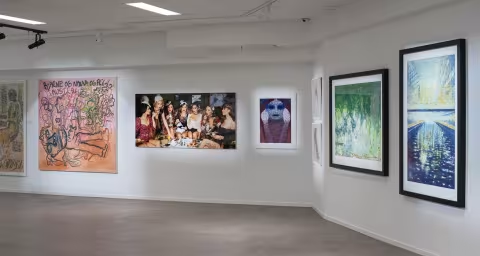
Oslo's largest commercial gallery by exhibition space with multiple rooms and a retail stock of thousands of works available for purchase.

Hotels nearby


2.0km
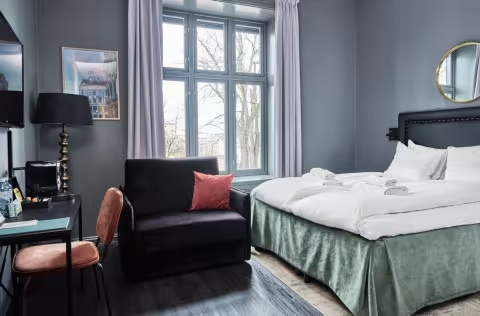
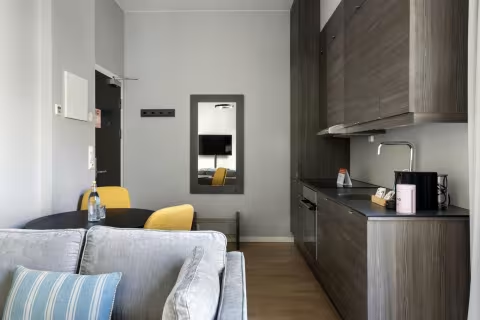
Apartment-style rooms with kitchens in a prime Oslo location, at rates well below traditional hotels.
2.1km Insider pick
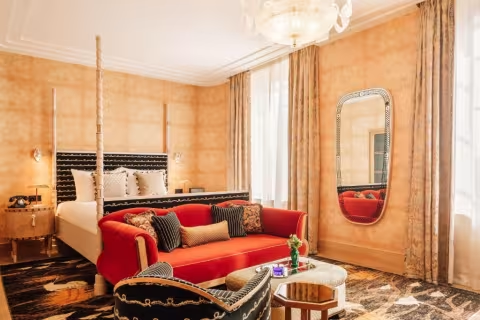
A visually staggering Art Deco hotel with seven restaurants, a rooftop pool, and more atmosphere than any other hotel in Oslo.
2.1km
Spacious, well-designed apartments with full kitchens in Oslo's most upscale residential neighborhood.