By: Chris ⎜ Last updated
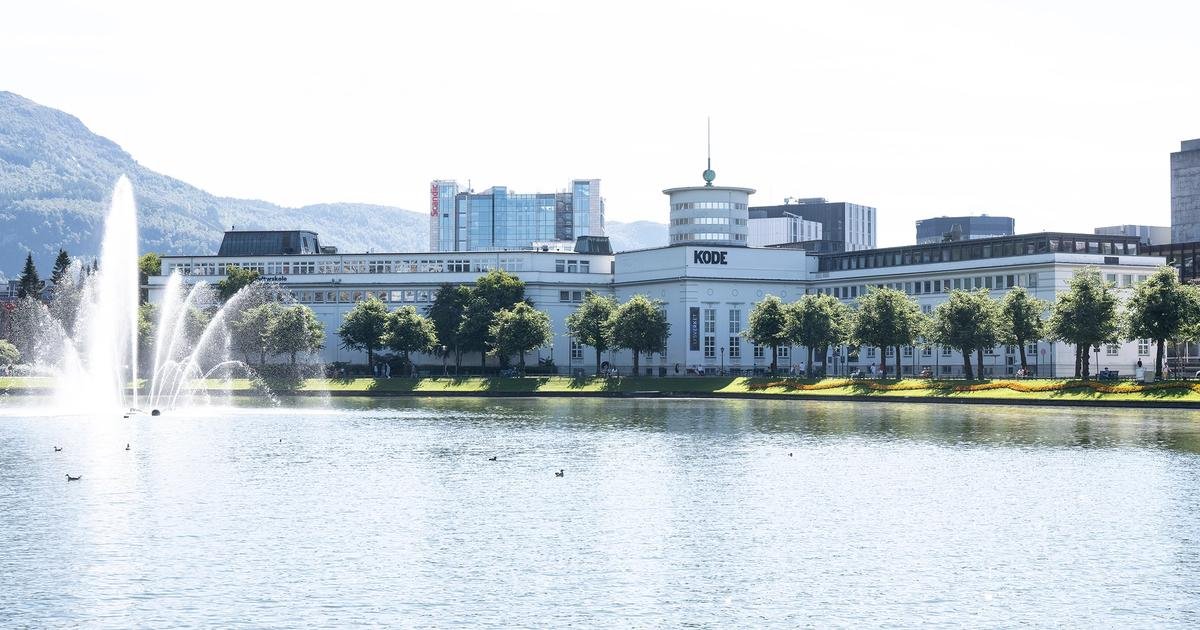
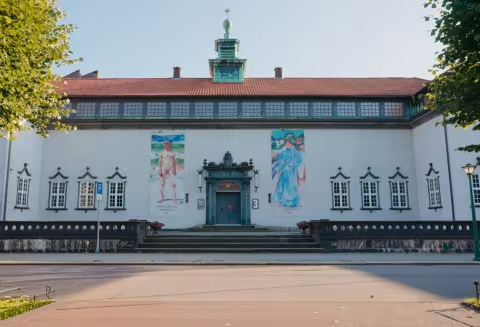
Lysverket is the odd one out in the KODE family. The other three museum buildings along Lille Lungegårdsvannet were purpose-built for art. This one was the headquarters of Bergen's municipal power company, completed in 1938. The architecture is heavy, functionalist 1930s concrete, built to house bureaucrats and electrical infrastructure, not paintings. That industrial backbone gives it a different feel from the elegant Rasmus Meyer building next door or the ornate Permanenten further along the street.
The most distinctive feature is Tårnsalen, a large circular hall on the second floor that's hard to miss from outside. It doubles as a gallery and concert venue, and the acoustics are surprisingly good for a room that was never designed with performance in mind.
What's on display
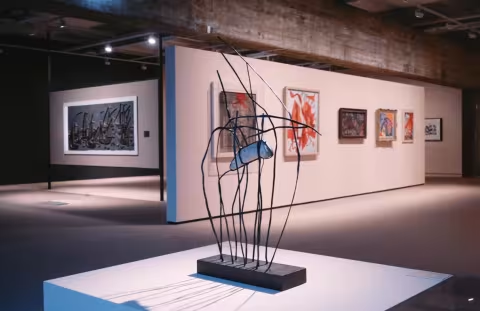
Historically, Lysverket housed some of KODE's strongest collections. The Stenersen Collection brought international modernism into the building, with works by Picasso, Klee, and Asger Jorn. The Nicolai Astrup exhibition was a major draw for years, though many of those paintings are currently touring internationally. The ground floor used to be home to KunstLab, Norway's first permanent children's art museum, which has since moved to Permanenten across the street.
The building is scheduled for a major refurbishment, and between renovation phases KODE runs temporary exhibitions rather than maintaining a permanent collection here. Check KODE's website before you visit. Some months the gallery spaces are open with a temporary show, other months there's nothing on display at all.
Don't assume all four KODE buildings will have exhibitions running when you visit. Always check kodebergen.no/en before planning your museum day.
The building itself
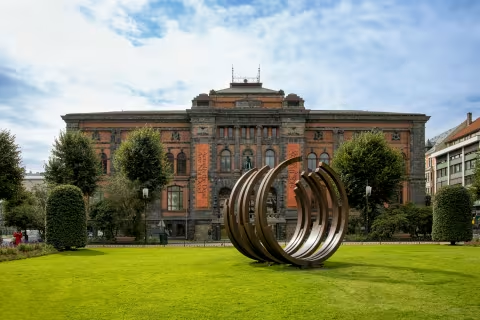
Even when the gallery spaces are between exhibitions, Lysverket is worth walking past. The 1938 functionalist exterior looks nothing like its neighbours, and that contrast is part of what makes the KODE complex interesting. Four buildings, four architectural eras, all lined up along the same lakeside street. Architects Fredrik Arnesen and Arthur Darre Kaarbø designed it for Bergen Lysverker (the power company, which gave both the building and eventually the restaurant their name).
The restaurant
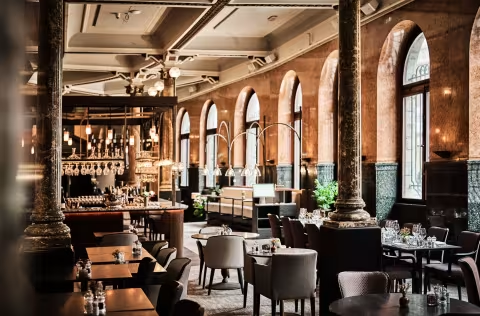
The ground floor houses Restaurant Lysverket, which has held a Michelin star since 2021. Chef-owner Christopher Haatuft runs a single 10-course tasting menu built around western Norwegian seafood. He coined the term "Neo-Fjordic" to describe the style. The scallops, hand-dived by a longtime collaborator, show up on nearly every iteration of the menu. The wine list runs to around 600 bottles, heavily weighted toward organic and biodynamic European producers. Book well ahead, especially in summer.
The restaurant operates independently from the museum's exhibition schedule, so it's open even when the gallery spaces aren't.
One ticket, 7 museums
A KODE ticket covers all four museum buildings plus the three composer homes (Troldhaugen, Siljustøl, and Lysøen). If you're short on time, prioritise Rasmus Meyer for its Munch collection and check whether Lysverket has a temporary exhibition running during your visit.
Getting there
All four KODE buildings sit along Rasmus Meyers allé, between Festplassen and the bus/train stations. Lysverket is the building closest to the train station end. The Bergen Light Rail stops at Byparken and Nonneseter are both a short walk. Nearest parking is GriegGarasjen on Lars Hilles gate.
What to do nearby
Hotels nearby