Vigeland Park Oslo

A concentrated, ordered presentation of a single sculptor´s entire public programme that lets you study material, form and expression across more than 200 works. It is free, open 24/7, and captures the universal human experience (joy, anger, grief) so perfectly that you don't need to know anything about art to feel it.

This is the world's largest sculpture park by a single artist, but calling it a "park" feels like an understatement—it’s an emotional obsession carved in stone. Gustav Vigeland spent 20 years creating these 212 sculptures, which depict the entire human lifecycle from birth to death. It is brutally honest: you will see men fighting babies, and sculptures showing all kinds of emotions.

The park is laid out on a massive axis, but the most famous resident is a tiny, angry toddler. "Sinnataggen" (The Angry Boy) stands on the bridge, stomping his foot in a tantrum. You will spot him immediately because there is always a crowd of tourists surrounding him. You will notice the Angry Boy’s left hand is polished gold, while the rest of him is dark bronze. This is because thousands of tourists touch it for "good luck". Conservationists hate this. The acid from human hands is slowly dissolving the metal. Locals consider it respectful not to touch him.

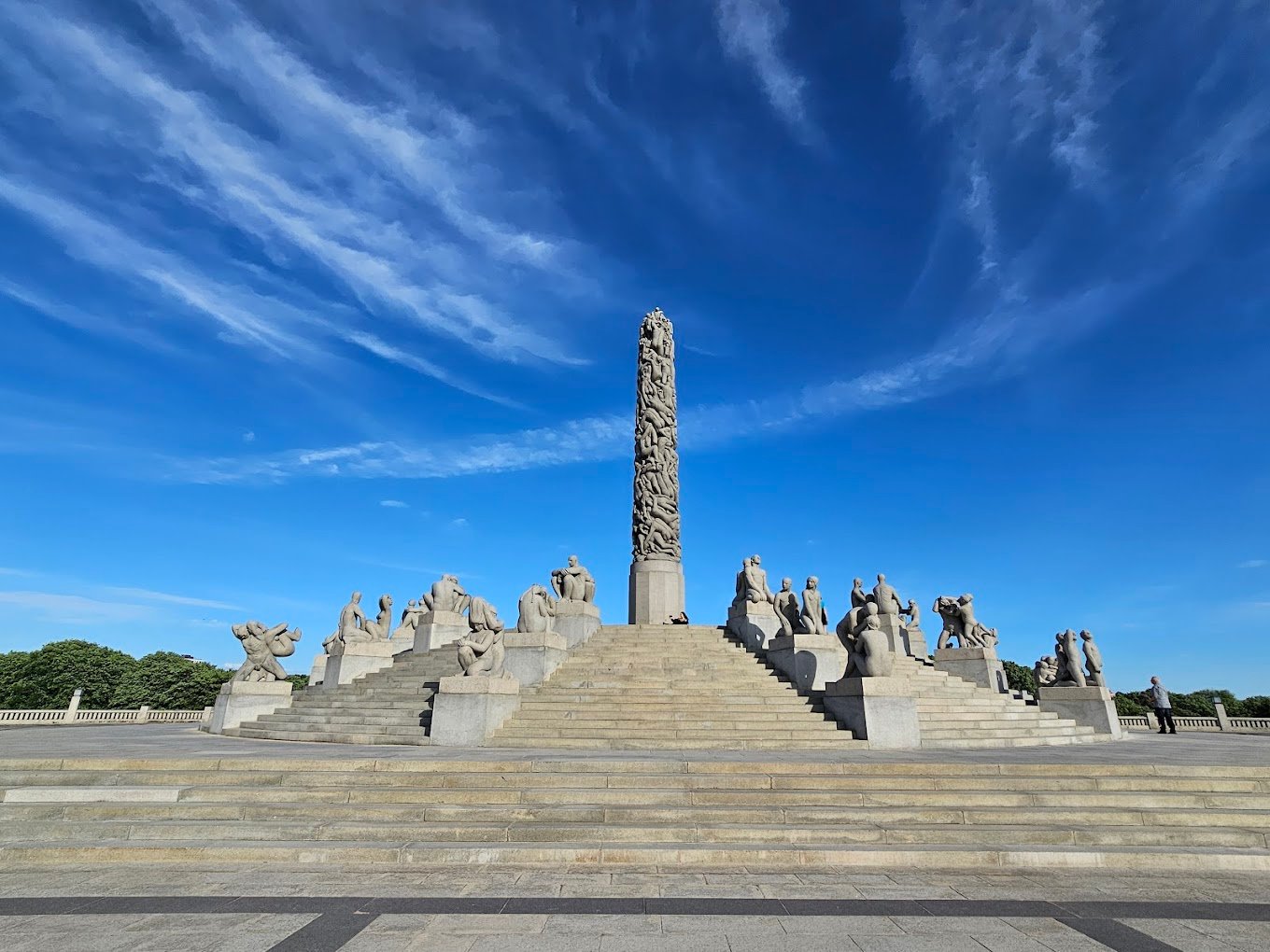
The Monolith: Standing at the highest point of the park, this 14-meter granite column is the park's centerpiece. It is carved from a single block of stone and depicts 121 human figures climbing over one another.

Combine with a visit to the Vigeland Museum nearby to see the original plaster moulds for the figures at the park.


While it looks like a chaotic pile of bodies, The Monolith represents a spiritual struggle: the figures at the bottom are weighed down and static, while the figures near the top are reaching upwards toward the light. It took three stone carvers 14 years to complete (1929–1943). They worked inside a wooden shed built around the stone, and the finished sculpture wasn't revealed to the public until the scaffolding was removed in 1944.

Highlights


Walk the Bridge: Find the Angry Boy among the 58 bronze statues, but also look for the Man Chasing Four Geniuses (a man fighting off four flying babies).
Climb to the Monolith: Walk up the hill to the 14-meter tall granite column composed of 121 human figures climbing over each other—it represents the struggle for spiritual closeness.
Find the Lizards: At the massive Fountain, look closely at the bronze reliefs around the basin; you’ll see children playing with giant lizards, a strange contrast to the realistic humans elsewhere.


Best time to go


Early Morning (07:00 – 09:00). The park is open 24 hours. If you go at 8 AM, you will have the Monolith entirely to yourself, with just a few local dog walkers. Sunset is also spectacular, but crowded.

Time needed


1–2 hours

Getting there


The park is a 5 minutes walk from the metro stop Majorstuen. Alternatively take the tram to the stop Vigelandsparken, the stop is right at the main gates.

What to do nearby


2.3km
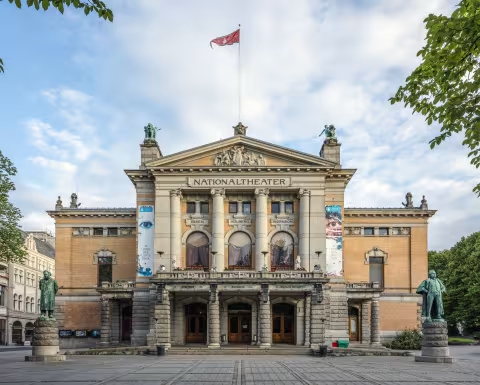
Watch classic Norwegian drama (such as Ibsen with English subtitles) in the 125-year-old gilded auditorium, or tour the Golden Hall and backstage areas where Norwegian cultural history has been performed for over a century.
2.3km
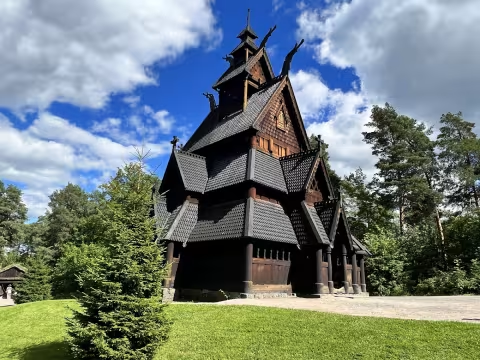
A largely 12th-century stave construction preserved through 19th-century relocation and restoration. It is the most accessible stave church in Norway.
2.3km Insider pick
The largest art museum in Norway exhibiting some of the most iconic Norwegian paintings, including the original Scream oil painting and famous national romantic paintings like The Bridal Procession on the Hardangerfjord that define Norway's national identity, all in one building.

Hotels nearby


2.1km
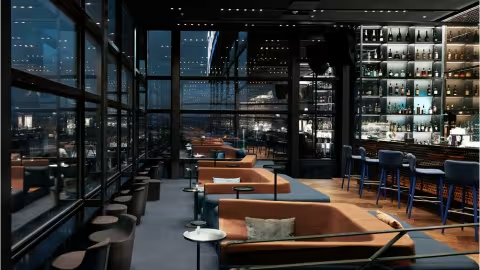
Upper-floor fjord views that rival any hotel in Oslo. One of the few central Oslo hotels with an indoor pool and sauna.
2.2km
A central, no-nonsense base where you can reach most major sights on foot in under 15 minutes.
2.2km
Apartment-style rooms with kitchens in a prime Oslo location, at rates well below traditional hotels.