Vigeland Museum

See the original full-size plaster casts that became Vigeland Sculpture Park's famous bronzes and granites, and tour the artist's preserved 1943 apartment with custom-designed furniture inside his former studio building.

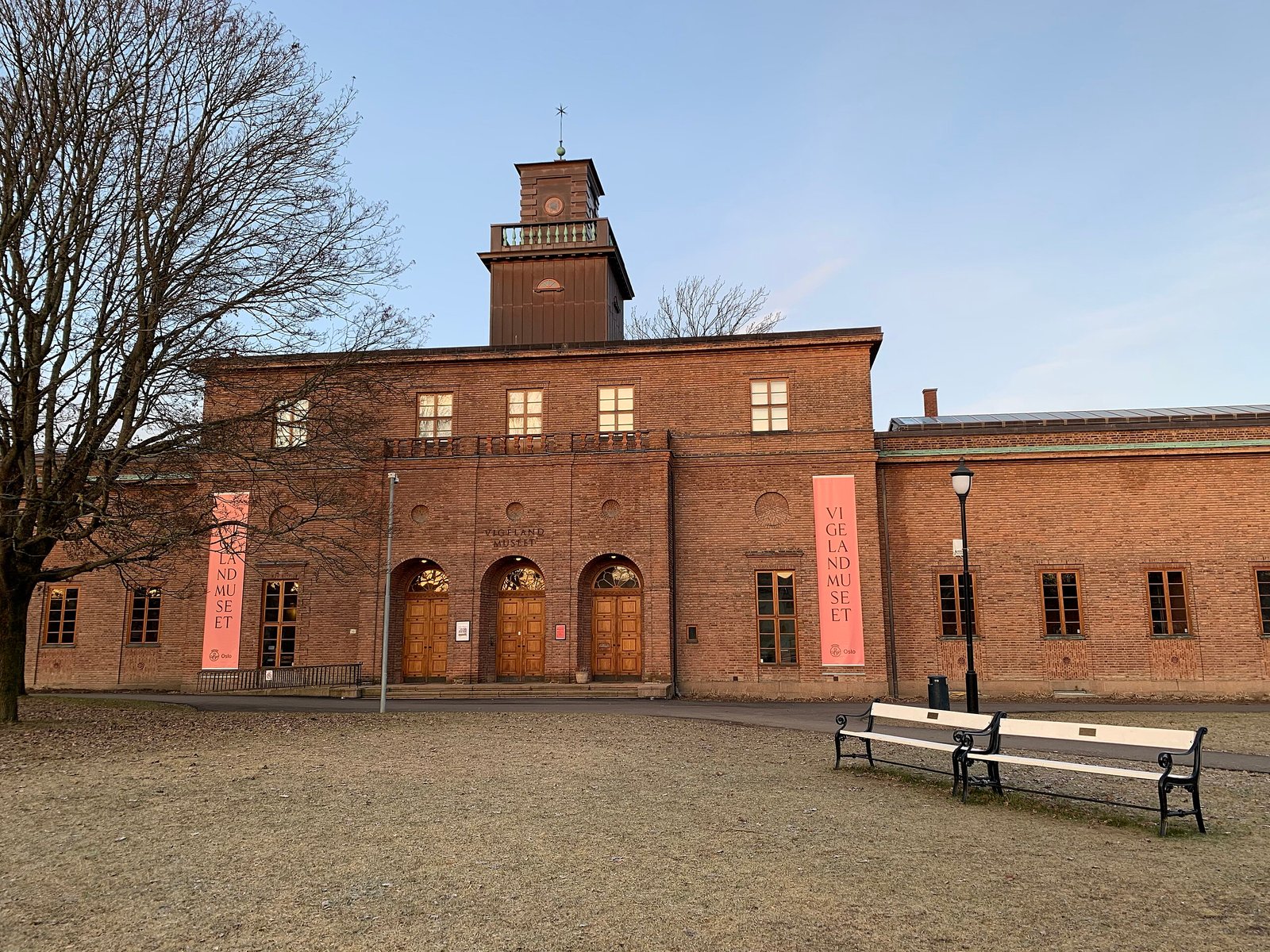
This massive red brick Neoclassical building was Gustav Vigeland's studio and home from 1924 until his death in 1943. Located five minutes south of Vigeland Sculpture Park, the museum reveals the process behind the famous outdoor sculptures. Open Tuesday-Sunday 12pm-4pm, closed Mondays.

The critical realization: the statues in the park are copies. Bronze casts and granite carvings were made from the artist's models. This museum houses the original full-size plaster casts. Seeing the Angry Boy or the 121 Monolith figures in white plaster indoors lets you examine details that have weathered away on the outdoor statues.

Vigeland's private apartment on the third floor has been preserved exactly as he left it when he died. The space is a masterpiece of Norwegian interior design with custom-made furniture, lamps, and woodcarvings all designed by Vigeland himself. The apartment is usually only accessible via guided tours.

Process exhibits show how tiny clay sketches became massive granite monuments, including the heavy tools and framework used by stone carvers who spent 14 years executing the Monolith. The central courtyard with fountain and arcade has incredible acoustics and hosts classical or jazz concerts in summer.


The park statues are copies, these are originals. The outdoor bronzes and granites were cast or carved from these exact plaster models. Weathering, patina, and public touching have altered the park sculptures. The plasters preserve Vigeland's actual modeling work pristine.

Highlights


Compare plaster originals to your memory of park bronzes. The Angry Boy, the bridge figures, the fountain giants all exist here in white plaster. Details weathered away outdoors are pristine indoors.
Ask about apartment tour availability immediately at the front desk. Vigeland's third-floor private apartment (preserved exactly as he left it in 1943) is typically only accessible via guided tours with limited daily slots.
See the original plaster casts of the 121 climbing figures of the Monolith. Standing at ground level next to these life-sized white plasters reveals details and scale you cannot perceive looking up at the granite column in the park. Tool marks and Vigeland's fingerprints are visible in the plaster.


Best time to go


Tuesday or Wednesday afternoons 12:30-2pm, October through March for smallest crowds and immediate apartment tour booking availability. Summer brings concert programming to the courtyard (check schedule). Avoid Mondays (closed). Visit the museum before or after the sculpture park to understand process behind finished works.

Time needed


45–120 minutes

Getting there


Walk from Vigeland Sculpture Park: Exit the park at the southern Halvdan Svarte gate, cross the street, walk 200 meters south on Nobels gate.

What to do nearby


1.9km Insider pick
A concentrated, walkable collection of authentic Norwegian buildings and interiors that includes a medieval stave church and dedicated galleries for costume and craft. It is the only place in Oslo where you can physically walk from the Black Death era (1300s) to the Nokia era (1990s) in less than 20 minutes.
1.9km
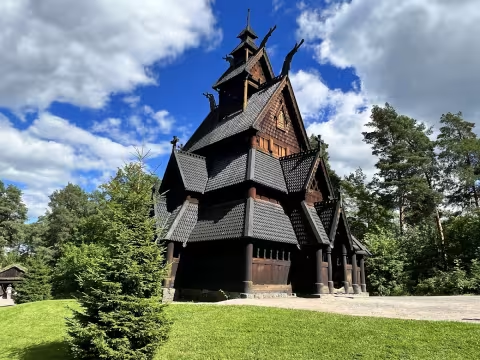
A largely 12th-century stave construction preserved through 19th-century relocation and restoration. It is the most accessible stave church in Norway.
2.0km
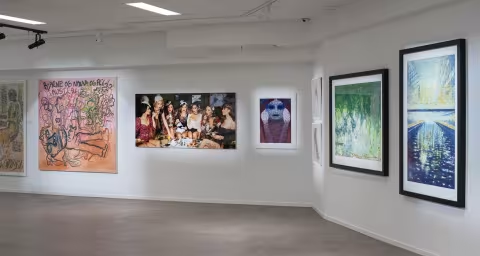
Oslo's largest commercial gallery by exhibition space with multiple rooms and a retail stock of thousands of works available for purchase.

Hotels nearby


1.6km
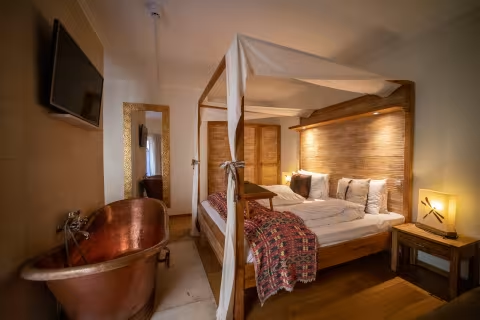
A genuinely atmospheric boutique hotel with one of Oslo's best breakfasts, in a quiet upscale neighborhood.
1.8km
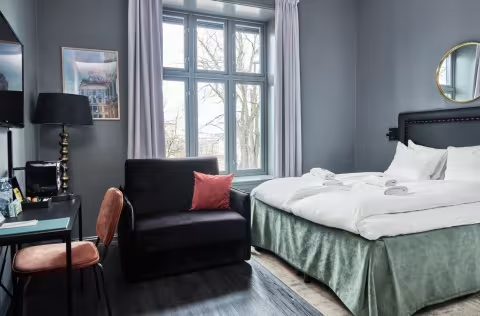
Apartment-style rooms with kitchens in a prime Oslo location, at rates well below traditional hotels.
1.8km
Rooms with kitchenettes at mid-range prices, five minutes from the airport train.