By: Chris ⎜ Last updated
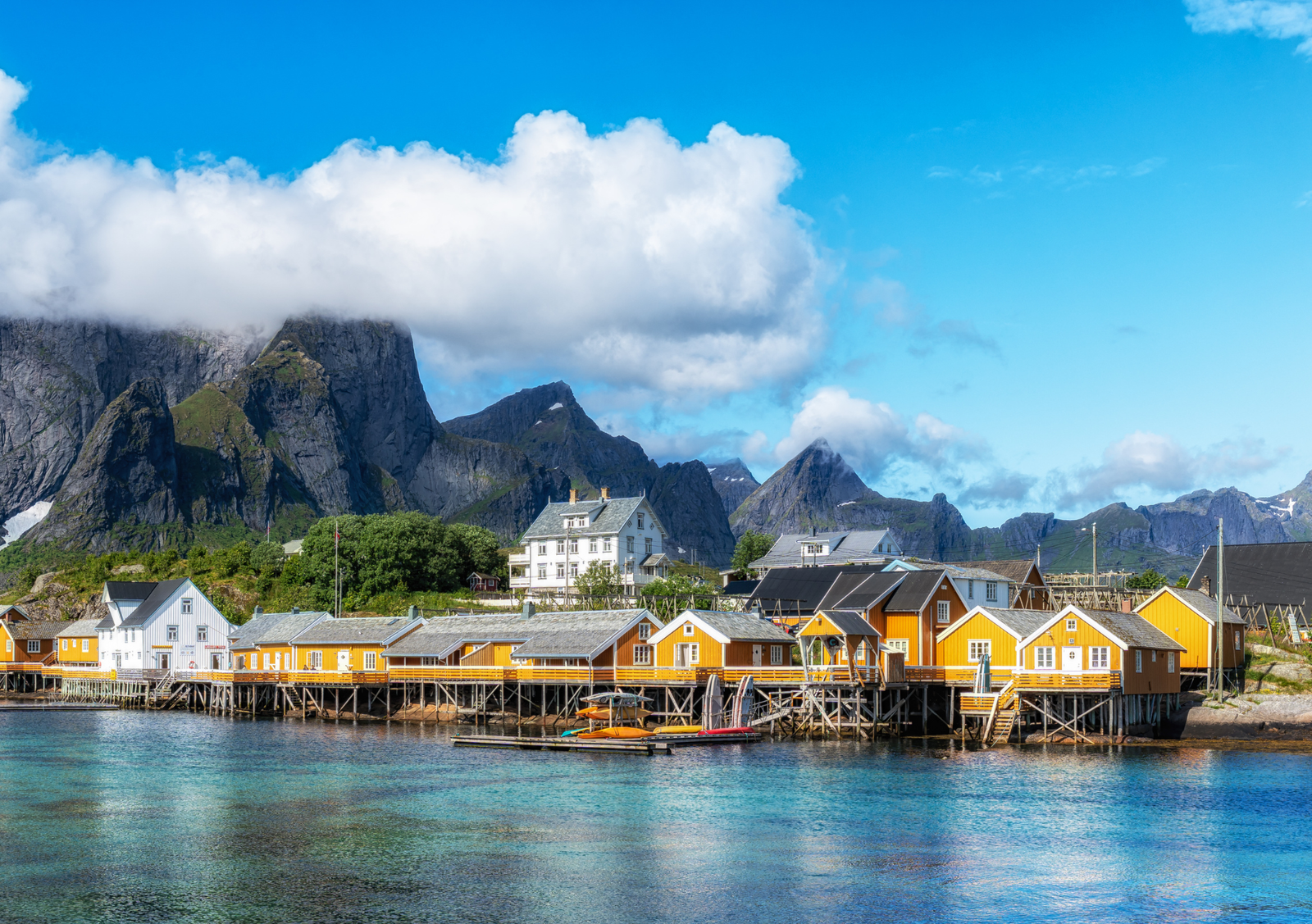
You might have seen these cabins. The ochre yellow rorbuer on Sakrisøy island are one of the most photographed spots in all of Lofoten. They've been in the Gylseth family for five generations. Most were built on poles over the water in the mid-18th century as working fishermen's cabins, and while they've been restored with kitchenettes and private bathrooms, the bones are old. Creaking wood, low ceilings, steep stairs up to lofted bedrooms. You're not checking into a hotel. You're sleeping in a piece of Lofoten's fishing history, and the trade-off is that it feels like it.
Which cabin to book
Get a traditional cabin with sea view and balcony. These sit right on the water's edge with a private terrace over the fjord, a wood-burning fireplace inside, and nothing between you and the mountains across the sound. When you arrive, your name and keys are waiting in a mailbox near reception.
Skip the budget and standard studios. They face the road instead of the water, and at Sakrisøy prices, you're paying for the location without getting it.
The stairs to the lofted bedrooms are steep and narrow enough that you'll want to leave your big suitcase downstairs. Interior lighting runs dim in most cabins. No dishwasher, no daily housekeeping, no toiletries provided, so bring your own shower gel and dish soap. The waterfront cabins at the end of the pier get the best views but also get random visitors walking up to the terrace to take photos during the day. If privacy matters, ask for a cabin that's not at the very end of the row.
Eating
The kitchenettes are well equipped with a stove, fridge, kettle, and coffee machine, so self-catering works fine. But you're sitting next to two of the best food spots in this part of Lofoten.
Underhuset, the on-site restaurant, occupies the old fish cannery of Sakrisøy (it operated until 1932). It's now run by Tomás Morales, a Mexican chef who settled in Lofoten, and the food is legitimately good. Expect to spend around 700-800 NOK per person for dinner. Opening hours can be inconsistent outside peak season, so confirm with the property when you arrive and book ahead in summer.
Anita's Sjømat is directly across the road. Fish soup and fish burgers with shrimp, casual and quick. It´s a very popular lunch spot. Gammelbua in Reine is a solid traditional Norwegian alternative, a five-minute drive south.
Sakrisøy Rorbuer or somewhere else?
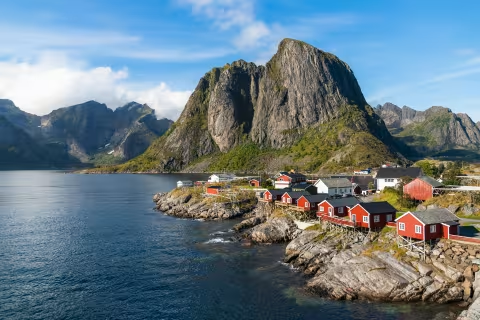
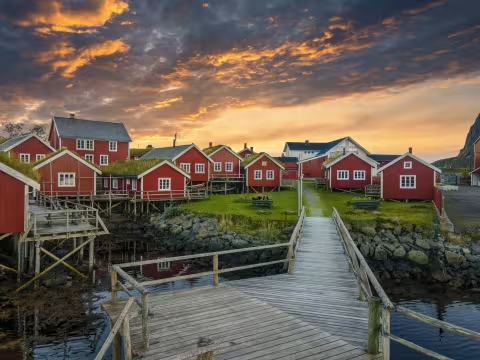
Eliassen Rorbuer in Hamnøy is the other heritage rorbu property comparable to Sakrisøy. Red cabins instead of yellow, a similar over-the-water setup, and the same mid-18th century origins. Eliassen is slightly more accessible from the E10 and has more units, which means it also draws more tour bus traffic and photographers blocking the road at its entrance. If you want the traditional rorbu experience with a bit less foot traffic outside your window, Sakrisøy has the edge. If you want to be in the middle of the most photographed scene in Lofoten and don't mind sharing it, Eliassen delivers.
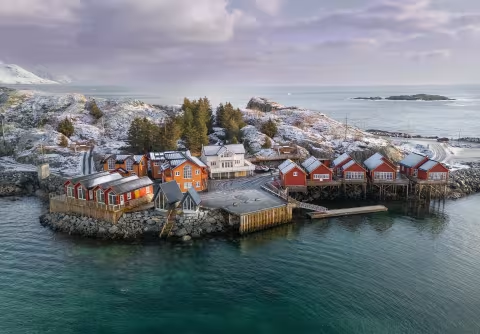
Reinefjorden Sjøhus in Hamnøy is the modern alternative. High-standard cabins and sea houses with floor heating, dishwashers, bigger windows, and proper storage space. They've also added saunas and a private jacuzzi. You're looking at the same fjord from a different angle, but the cabins feel like a contemporary Scandinavian rental rather than a restored fisherman's hut. Choose Reinefjorden if creature comforts and a polished finish matter more to you than historical atmosphere. Choose Sakrisøy if you'd rather fall asleep to creaking floorboards and a fire dying down.
What to do nearby
Other hotels nearby