Ibsen Museum

See the late-19th-century apartment where Henrik Ibsen lived and worked in his final years, now paired with a small theatre programme that brings his world into performance.

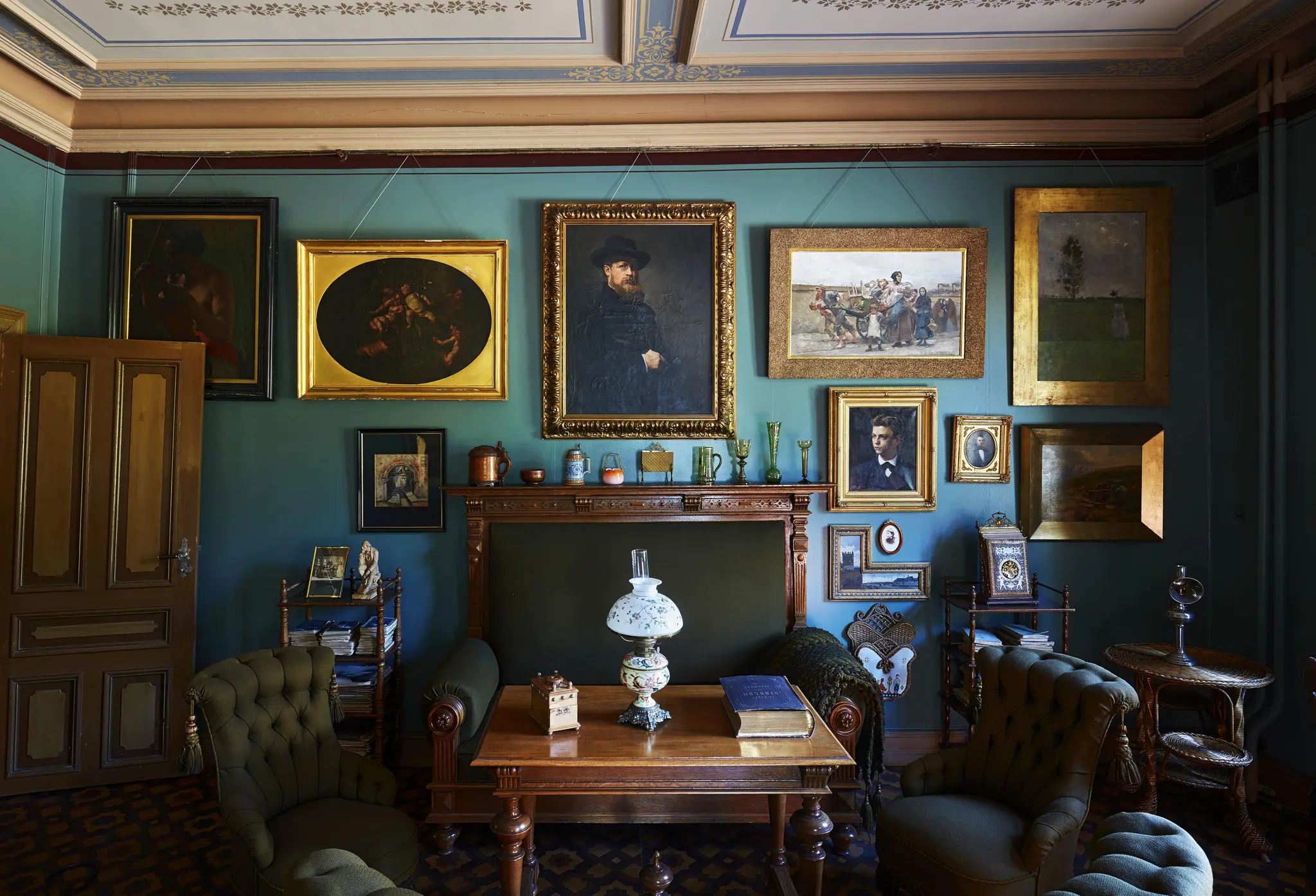
A museum centred on Henrik Ibsen that preserves the apartment where he spent his final eleven years and composed his last plays. The house has been restored to its late 19th century appearance with original furniture, fixtures and room layouts reconstructed to reflect Ibsen and Suzannah's household. The site combines the intimate domestic rooms of the playwright with a public exhibition that contextualises his work and life in Oslo. In recent years the venue expanded to include a theatre hall for guest performances, bringing dramaturgy back into the same building as the preserved apartment. 

You cannot wander the apartment alone—you must join a guided tour (which runs every hour). The guides are excellent and unlock the personality of the grumpy old playwright. The highlight is his study. It looks exactly as he left it, with his glasses on the desk and his view of the street. 


The "Strindberg" Secret: Look closely at the painting hanging directly above Ibsen's desk. It is a portrait of August Strindberg, his Swedish rival. Ibsen hated him. He called Strindberg his "mortal enemy" but bought the portrait and hung it there on purpose. He told friends, "I cannot write a single word without that madman staring down at me." It is the ultimate petty power move.

Highlights


Spot the Enemy: Find the portrait of Strindberg in the study and imagine Ibsen glaring back at it while writing When We Dead Awaken.
The "Top Hat" Walk: After the tour, walk out the front door and down Henrik Ibsens gate towards the Grand Café—this is the exact route Ibsen walked every single day at 11:30 AM (he was so punctual that locals set their watches by him). For the full Ibsen experience, book a lunch at Grand Café afterwards.
Compare the lavish "Red Salon" (where they entertained guests) with Ibsen's surprisingly tiny and spartan bedroom. It reveals the difference between his public fame and private solitude.


Best time to go


Since it is closed Tue/Wed in winter, Thursday can have a small "re-opening" rush, but mornings are generally quietest. Summer: Go for the first tour at 11:00 to beat the cruise ship groups.

Time needed


45–90 minutes

Getting there


Nationaltheatret is the nearest public-transport hub; from Nationaltheatret follow Henrik Ibsens gate on foot for about a 5-minute walk to number 26.

What to do nearby


2.3km
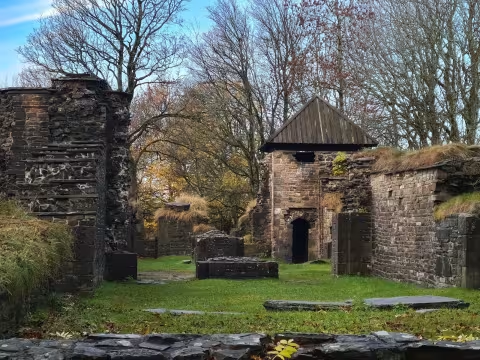
Inner-Oslo island where substantial 12th-century Cistercian monastery ruins sit alongside visible quarry geology and 19th-century military remains, all reachable by a short ferry from the city.
2.4km Insider pick
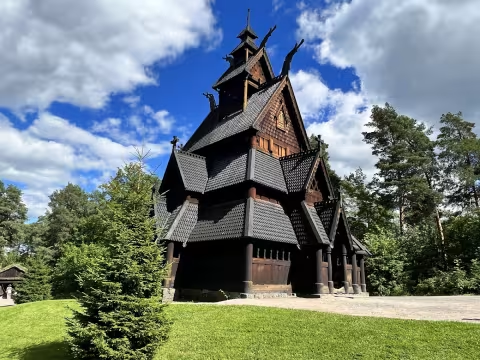
A concentrated, walkable collection of authentic Norwegian buildings and interiors that includes a medieval stave church and dedicated galleries for costume and craft. It is the only place in Oslo where you can physically walk from the Black Death era (1300s) to the Nokia era (1990s) in less than 20 minutes.
2.4km
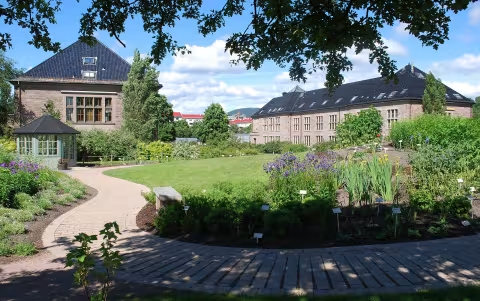
Norway's oldest botanical garden (established 1814) with free admission to 6.5 hectares of geographically organized plant collections, a Victorian Palm House from 1868, and modern climate-controlled greenhouses.

Hotels nearby


1.2km
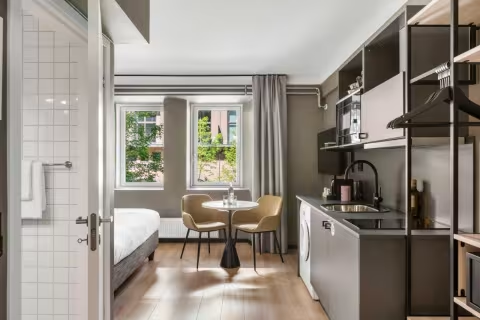
A well-equipped apartment with a washing machine and kitchenette, five minutes from Oslo Central Station.
1.2km
Oslo hotels are pricey, but Citybox is the exception. It is completely autonomous (self-check-in kiosks), so there is no reception staff, which keeps the price down. The rooms are simple and clean.
1.3km
Three included meals a day, with a location five minutes from Oslo Central Station.