Fram Museum Oslo

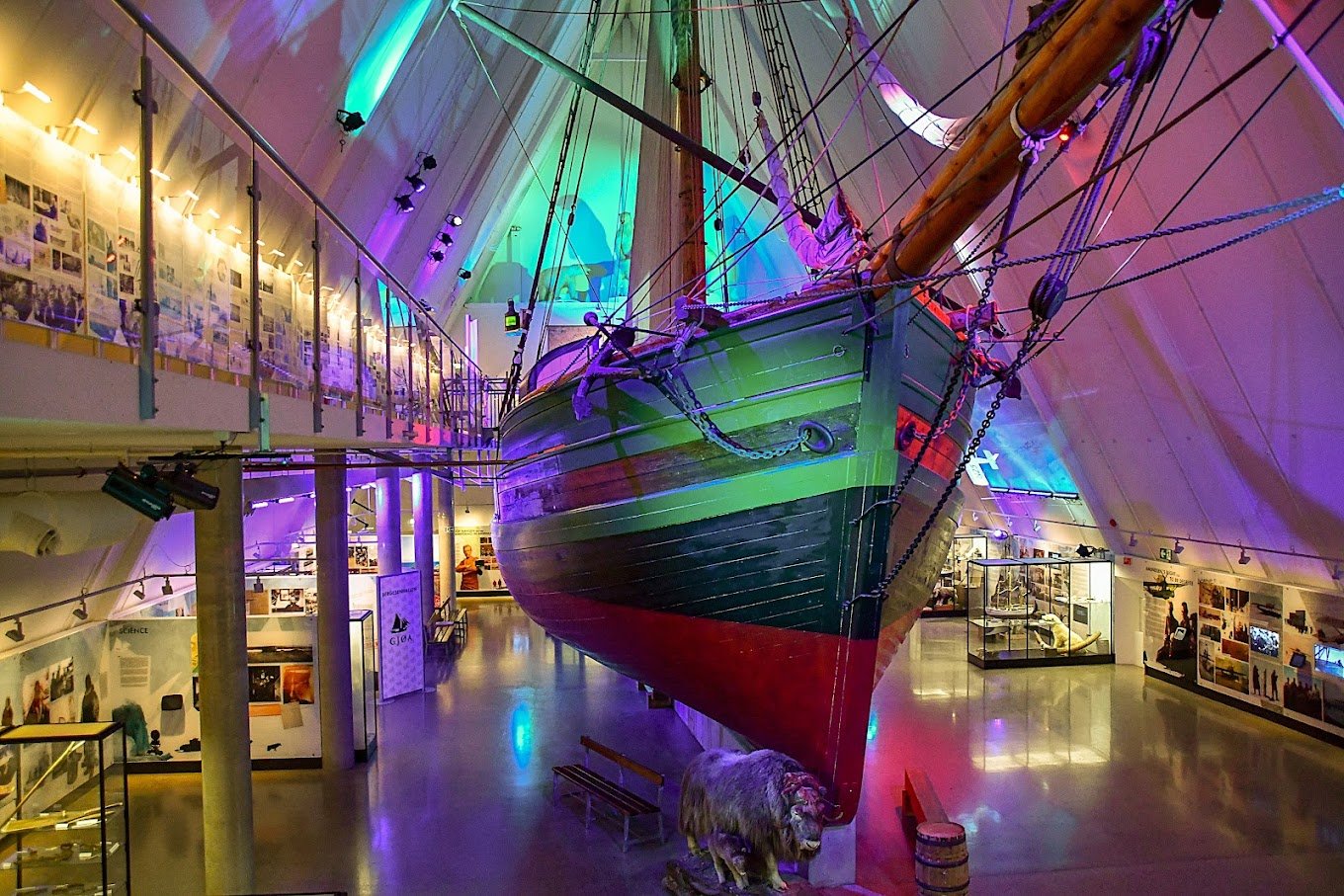
A preserved polar exploration ship with connected exhibition galleries that let visitors board the vessel and examine original expedition equipment and ship construction in close detail.

If you see a giant triangular building on the Bygdøy peninsula that looks like a glass-and-wood tent, you’ve found one of the best museums in Norway. While the Viking Ship Museum gets the fame (and is closed until 2027), the Fram Museum delivers the experience. It houses the Fram, the "strongest wooden ship ever built", used by polar explorers Nansen, Sverdrup, and Amundsen to reach the furthest points North and South on the globe.

Unlike most maritime museums where you stare at models behind glass, here you board the actual ship. You can walk the deck where Amundsen stood before conquering the South Pole, explore the cramped cabins where the crew lived for years frozen in ice, and smell the authentic scent of tar and century-old oak. Many visitors walk in, see the massive Fram, and leave. They miss the Gjøa Building entirely. Connected by an underground tunnel, this separate wing houses the Gjøa, the first ship to navigate the Northwest Passage. It is smaller, grittier, and often empty of tourists.

Combine your visit with the Kon-Tiki Museum next door. They sell combined tickets as slightly discounted prices.


Roald Amundsen was ruthless about survival. He calculated exactly when to kill the weaker sled dogs to feed the stronger ones (and the men) on the way to the South Pole. The museum has a slightly gruesome menu explaining which part of the dog was the "delicacy".

Highlights


Explore the Hold: Go below deck on the Fram to see the engine room, the piano (yes, they had a piano), and the furry wolf-skin clothes the explorers wore.
The Northern Lights Show: Every 20 minutes, the lights dim and a high-quality aurora borealis projection takes over the ceiling/walls surrounding the ship—watch it from the top deck.
Freeze in the Simulator: Walk through the "Polar Simulator," a cold-storage room that mimics the temperature and wind of a polar expedition (it’s freezing, but fun)


Best time to go


Late Afternoon (15:00 – 17:00). Most tour buses hit Bygdøy in the morning (10:00 – 12:00). By late afternoon, the crowds have thinned out, and you can explore the narrow cabins of the ship without getting stuck in a line of people.

Time needed


1–2 hours

Getting there


Winter: Take Bus 30 (Bygdøy) from the National Theatre or Oslo Central Station to the stop Bygdøynes. It runs year-round. During summer you can take the Bygdøy Ferry from the City Hall pier and get off at Bygdøynes, right in front of the museum.

What to do nearby


2.0km
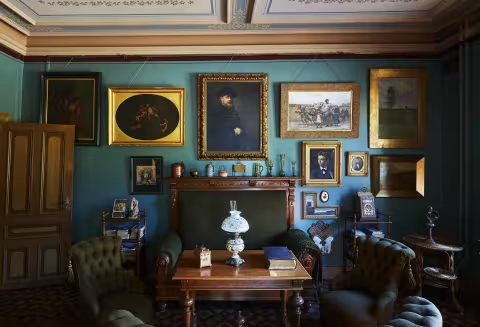
See the late-19th-century apartment where Henrik Ibsen lived and worked in his final years, now paired with a small theatre programme that brings his world into performance.
2.1km
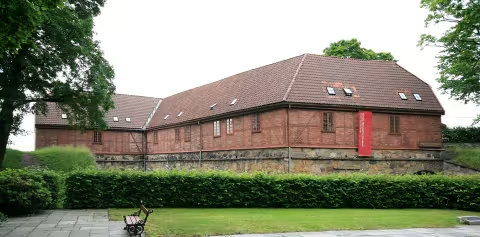
Experience the human story of Norwegian resistance during Nazi occupation (1940-1945) through atmospheric dark-to-light museum design, illegal newspapers hidden in firewood, saboteur equipment concealed in fish barrels, and the Heavy Water Sabotage that stopped Germany's nuclear program
2.1km
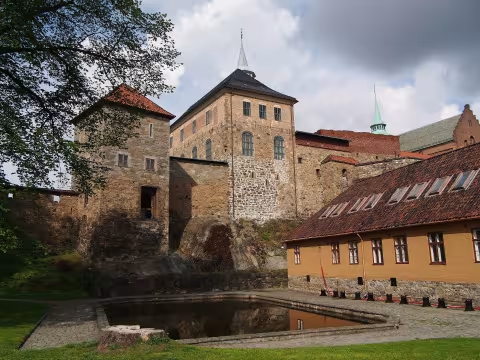
Walk the ramparts of a 700-year-old fortress, see where Norwegian kings and queens are buried, explore WWII resistance history in atmospheric museums, and watch sunset over Oslo's harbor from the best free viewpoint in the city.

Hotels nearby


2.4km
Free evening meals Monday through Thursday smack in the middle of Oslo
2.4km Insider pick
A Michelin-starred restaurant, a year-round rooftop bar, and a killer Kvadraturen location, all in one building.
2.4km
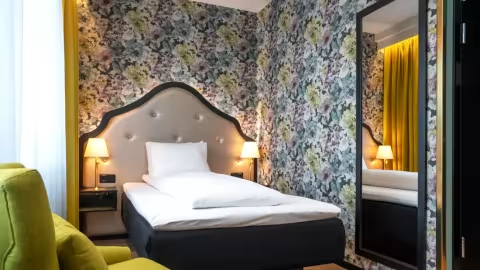
Stylish hotel a few minutes' walk from Oslo's main train station and every major central attraction.