Viking Ship Museum Oslo

See three internationally important Viking Age burial ships, including the exceptionally complete Oseberg, and the associated grave goods that provide direct evidence of 9th-century shipbuilding and elite burial practice.

Currently CLOSED for renovation. Scheduled to reopen in 2027.

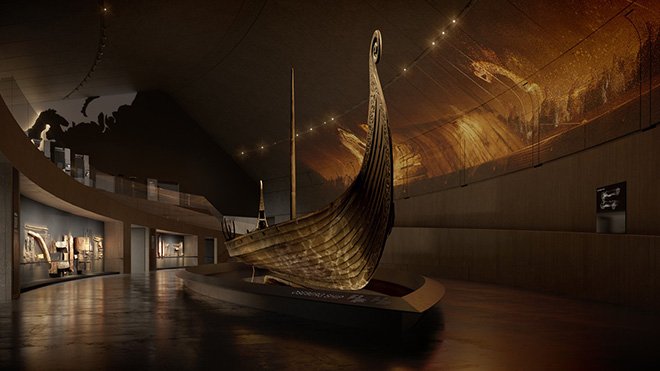
Museum of the Viking Age (previously the Viking Ship Museum) on Bygdøy preserves three of the best-known Viking Age burial ships excavated from the Oslofjord region: the Oseberg, Gokstad and Tune finds, together with thousands of accompanying grave goods that illuminate craft, ritual and seafaring in the 9th century. The original halls were built in stages from the 1920s to the 1950s to house those excavations, and the collection is part of the Museum of Cultural History at the University of Oslo. 

The museum building is undergoing a major conservation and rebuilding programme and the ships have been moved into protective enclosures as part of a staged transfer into an expanded Museum of the Viking Age; a scheduled reopening is reported for 2027. While the site is being prepared for better climate control and new visitor platforms above the Oseberg ship, many related objects from the collections are available at the University of Oslo’s Historical Museum in the city centre. The Oseberg burial remains the most complete Viking ship assembly recovered, and the new galleries are being designed to preserve the fragile timber and textiles.


Three ornate sledges from the Oseberg burial are unique artefacts; they are among the very few surviving ceremonial sledges from the Viking Age and have required special conservation and handling during the museum move.

Highlights


Study the Oseberg ship and its carved prows and textile assemblage as an unmatched example of Viking burial craftsmanship.
Compare the Gokstad and Tune ship remains and examine the funerary equipment such as sledges, carts and household objects recovered from the burials.
If the Bygdøy halls are closed, view Viking-age objects from the same excavations at the University of Oslo’s Historical Museum in the city centre.


Best time to go


Shoulder seasons (spring or early autumn) or weekday mornings; avoid peak summer afternoons and guided-tour windows.

Time needed


45–120 minutes

What to do nearby


2.4km
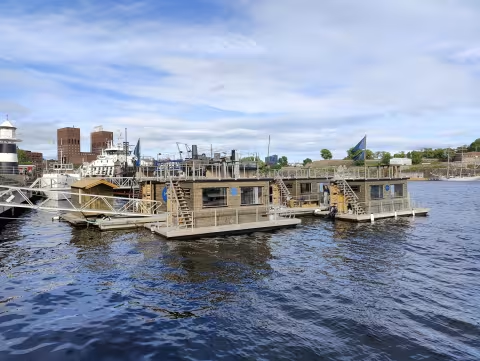
Floating saunas at a central Oslo pier that combine wood-fired heat, direct fjord access and bookable private or shared sessions.
2.6km
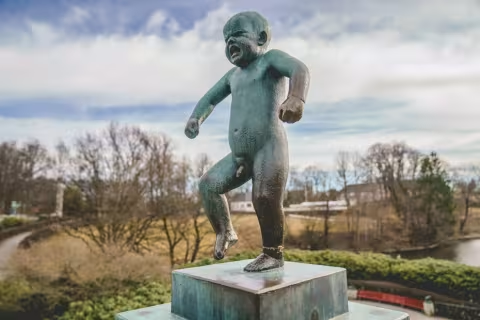
The most famous angry face in Norway. It captures a universal human emotion so perfectly that it makes people laugh in recognition, regardless of their language.
2.6km Insider pick
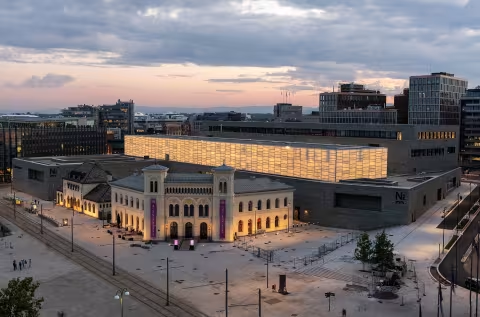
The largest art museum in Norway exhibiting some of the most iconic Norwegian paintings, including the original Scream oil painting and famous national romantic paintings like The Bridal Procession on the Hardangerfjord that define Norway's national identity, all in one building.

Hotels nearby


2.4km
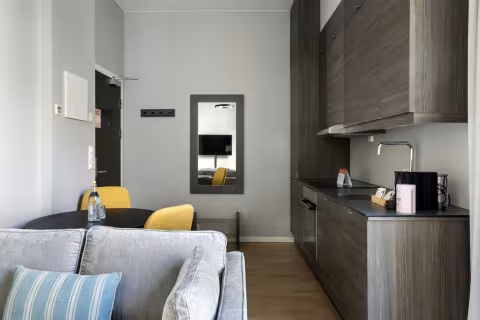
Spacious, well-designed apartments with full kitchens in Oslo's most upscale residential neighborhood.
2.8km
A quiet, well-run boutique hotel in Oslo's best residential neighborhood with free parking and an exceptional breakfast.
2.9km Insider pick
A 125-year-old family-run hotel with real character, a private Munch collection, and one of the city's most iconic restaurants on the ground floor.