Oslo City Hall

A functioning municipal seat that doubles as a concentrated gallery of postwar Norwegian civic art and the annual host venue for the Nobel Peace Prize ceremony.

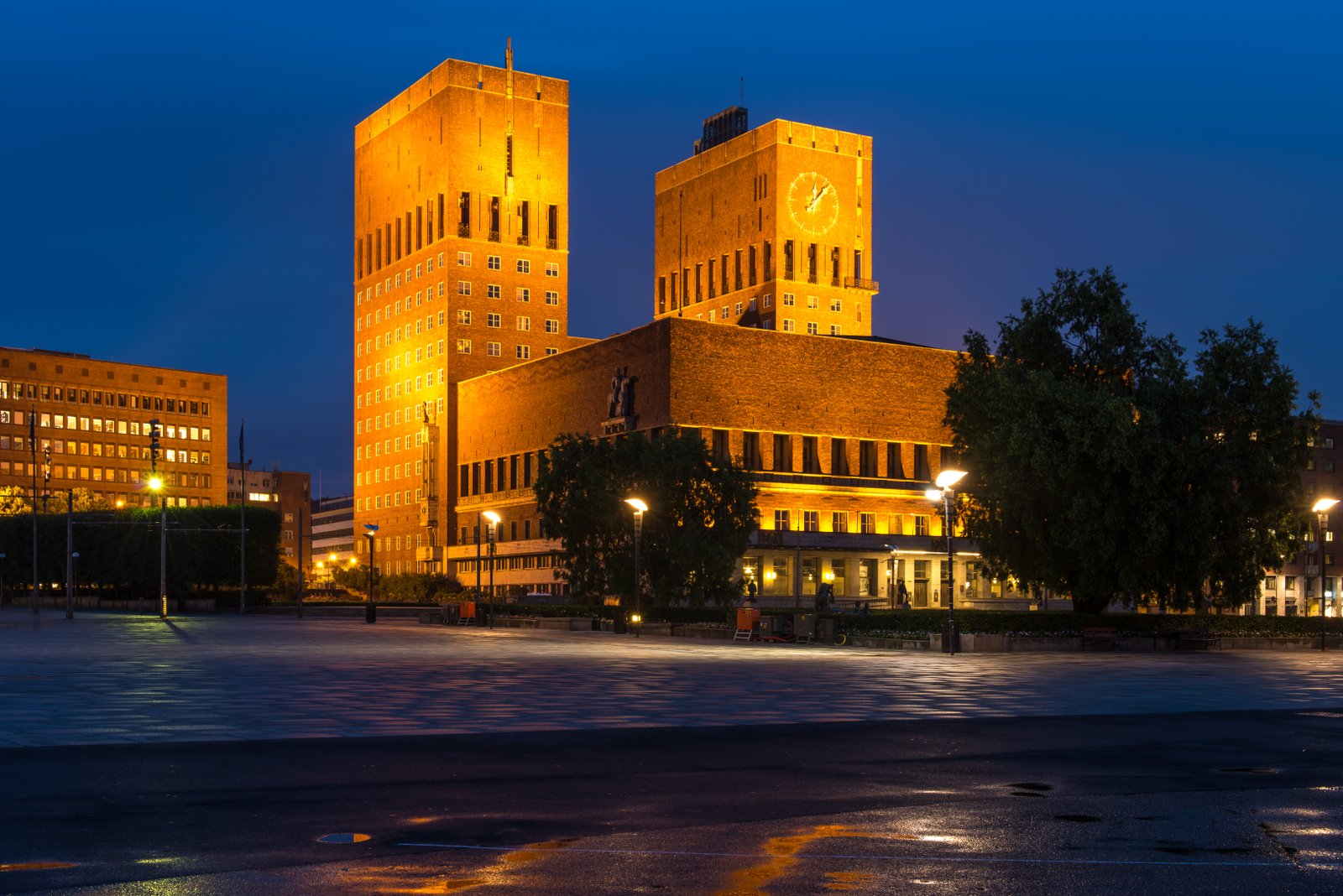
Oslo City Hall occupies a prominent waterfront plot and serves as the working seat of the city administration. Designed by Arnstein Arneberg and Magnus Poulsson, the building was completed after interruption during World War Two and opened in 1950. The building is recognizable for its twin towers, red brick exterior and a sequence of public rooms intended as expressions of postwar civic identity rather than private ornament. 

The interior concentration of figurative murals, reliefs and decorative arts documents Norwegian history, labour and maritime life in a direct, narrative style. The Main Hall is the building's most visible ceremonial space and has national visibility because it is used for the annual Nobel Peace Prize presentation. Because the City Hall remains an active municipal building some rooms are closed during official business and large public events, so check access on the day you plan to go. Photographers and anyone interested in 20th century Nordic public art will find the scale and density of the murals notable compared with other municipal halls in Norway.


The bell ringer often updates the playlist for the 49 bells in the tower. You might hear the theme from Succession or Minecraft depending on the month.

Highlights


See the Main Hall to view the large narrative murals and the podium used for the Nobel Peace Prize presentation every December 10.
While you can explore the main areas alone, free guided tours run daily in the summer months to take you into the locked political chambers and up the tower.
Walk through the public rooms to examine murals and decorative works that illustrate Oslo's 20th century civic themes


Best time to go


Weekday mornings or early afternoons outside major events; all year for interior viewing

Time needed


30–90 minutes

Getting there


Reach the site from central hubs such as Jernbanetorget or Aker Brygge, then follow the waterfront west to Rådhusplassen (the square in front of the City Hall).

What to do nearby


0.5km
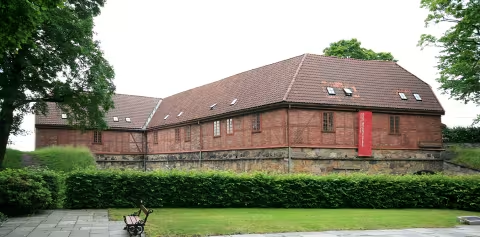
Experience the human story of Norwegian resistance during Nazi occupation (1940-1945) through atmospheric dark-to-light museum design, illegal newspapers hidden in firewood, saboteur equipment concealed in fish barrels, and the Heavy Water Sabotage that stopped Germany's nuclear program
0.5km
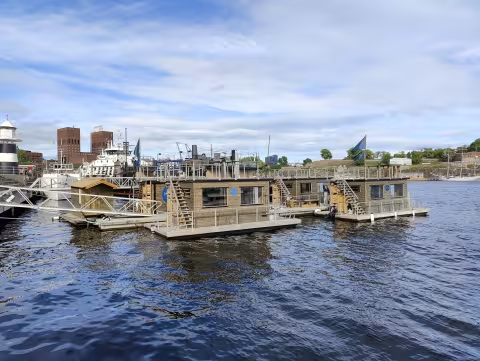
Floating saunas at a central Oslo pier that combine wood-fired heat, direct fjord access and bookable private or shared sessions.
0.6km
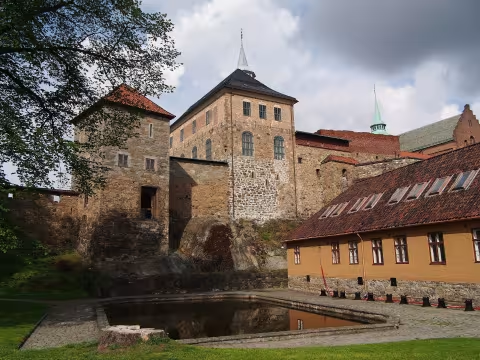
Walk the ramparts of a 700-year-old fortress, see where Norwegian kings and queens are buried, explore WWII resistance history in atmospheric museums, and watch sunset over Oslo's harbor from the best free viewpoint in the city.

Hotels nearby


0.4km
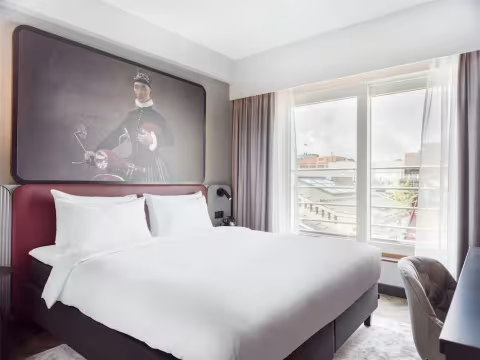
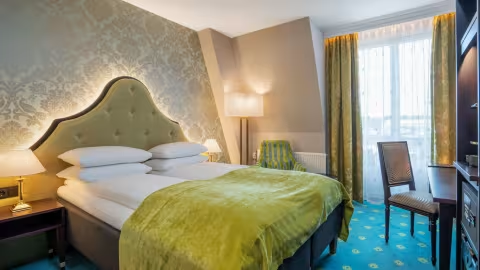
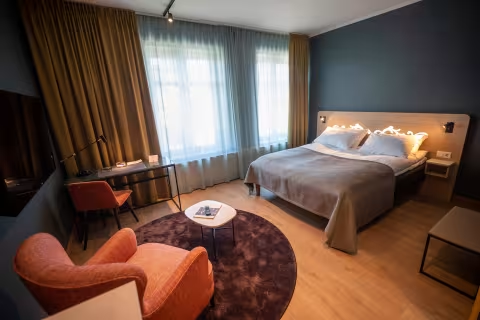
Stylish hotel a few minutes' walk from Oslo's main train station and every major central attraction.
0.4km Insider pick
A century-old grand hotel with a walk-everywhere location wrapped in 1920s atmosphere.
0.5km
A centrally located hotel with real Norwegian character.