Norway Armed Forces Museum

A chronological presentation of Norway's defence history situated inside Akershus Fortress, all for free.

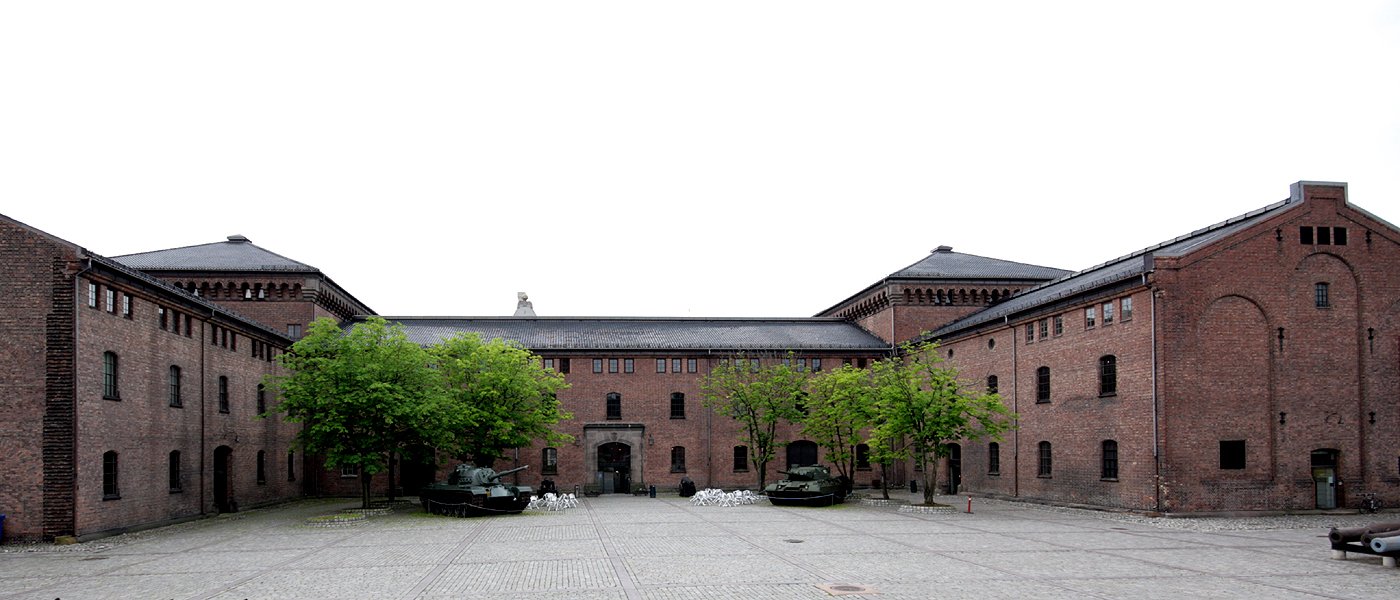
This museum sits in a historic arsenal building (Building 62) at the bottom of Akershus Fortress grounds near the cruise ship quay. It covers the entirety of Norwegian military history from Viking times to modern NATO peacekeeping operations, explaining how a small nation on the edge of Europe has defended itself for 1,000 years. Open daily 10am-4pm year-round. Historically free admission.

The museum takes a broader scope than the nearby Resistance Museum, which focuses exclusively on WWII. Here you walk through chronological sections covering Viking swords and axes, the leidang coastal naval defense system (ancestor of the modern Home Guard), the tense 1814 union periods with Denmark and Sweden, the chaotic April 9, 1940 Nazi invasion morning, Cold War Norway as NATO's "Guardian of the North" with spy gadgets and Soviet threat maps, and modern Norwegian Special Forces operations in Afghanistan and the Balkans.

The exhibits are detailed, atmospheric, and surprisingly candid about both failures and successes of Norwegian military history. The displays explain strategy, weapons, and uniforms across the full timeline rather than focusing on one era. The museum is often overshadowed by the more famous Resistance Museum nearby but is a hidden gem for history buffs.

The strongest section covers the 1940 invasion, particularly the Oscarsborg Fortress sinking the German heavy cruiser Blücher. This event delayed the Nazi invasion just long enough for the King and government to escape Oslo, saving Norway's sovereignty. The Cold War exhibit shows how close the north came to nuclear war during the decades when Norway served as NATO's northernmost defense against Soviet threats.


Visit the Armed Forces Museum before the Resistance Museum if doing both. The strategic big picture here provides context for the personal human stories and civilian resistance detailed in the Resistance Museum next door. Together they cover military strategy plus lived occupation experience.

Highlights


Start with the Viking and Medieval Age section to see original swords, axes, and chainmail. The leidang coastal naval defense system explanation shows how Norway's geographic challenges shaped military organization for centuries.
Focus on the 1940 invasion exhibit showing the chaotic April 9 morning when Nazi Germany invaded. The Oscarsborg Fortress sinking the Blücher delayed Germans just enough for King Haakon VII and government to escape Oslo, preserving Norwegian sovereignty.
Study the Cold War "Guardian of the North" section. Spy gadgets, Soviet threat maps, and documentation of how close the northern border came to nuclear conflict during NATO-Soviet tensions. This era gets less attention than WWII but shaped modern Norwegian defense completely.


Best time to go


Weekday mornings 10-11:30am year-round for smallest crowds and time to see exhibits before moving to the Resistance Museum next door. The museum operates the same hours daily (10am-4pm).

Time needed


1–2 hours

Getting there


Walk through Akershus Fortress from the main entrance at Akersgata or Munkeplassen gate, continue to the bottom of the fortress area near the cruise ship quay (Vippetangen). Building 62 is the historic arsenal building.

Hotels nearby


2.0km
Three included meals a day in one of Europe's most expensive cities, inside a building with actual character.
2.1km
Steps from Mathallen and Grünerløkka, Oslo's best food and bar neighborhood, at a reasonable Oslo price.
2.2km
A well-designed apartment with a proper kitchen in Oslo's most upscale residential neighborhood.