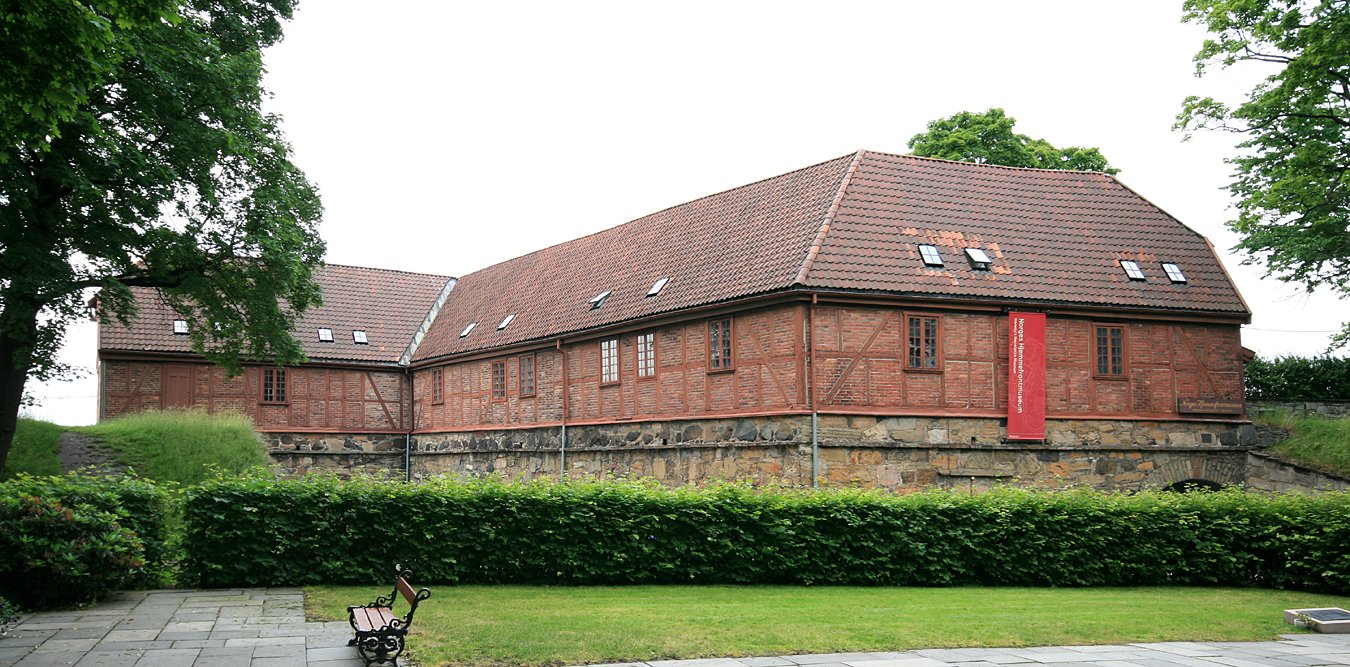
Resistance Museum

Experience the human story of Norwegian resistance during Nazi occupation (1940-1945) through atmospheric dark-to-light museum design, illegal newspapers hidden in firewood, saboteur equipment concealed in fish barrels, and the Heavy Water Sabotage that stopped Germany's nuclear program

This museum sits inside the thick stone walls of the 17th-century "Double Battery" building at Akershus Fortress, telling the story of Nazi occupation of Norway from 1940 to 1945 through the lens of human experience rather than military hardware. Open daily 10am-4pm year-round. Admission is roughly 100 NOK for adults with discounts for children/students/seniors, free with Oslo Pass. Plan 1-1.5 hours since the text-heavy exhibits require reading time.

The museum focuses on how ordinary Norwegians—teachers, clergy, students, soldiers—resisted the German regime through civil disobedience, secret intelligence, and sabotage. The layout is chronological, taking you from the shock of invasion to the jubilation of liberation. The design is deliberately atmospheric: early sections are dark and oppressive reflecting loss of freedom, while final sections become brighter as you approach the 1945 liberation.

Most signage appears in both Norwegian and English. Audio guides add personal anecdotes and sound effects that bring exhibits to life beyond the text panels. A memorial for resistance fighters executed at the fortress sits just outside the entrance, often adorned with fresh flowers.

If you want to explore the more tactical side of Norway’s past, take the short walk over to the Armed Forces Museum (Forsvarsmuseet), which is also located within the Akershus Fortress grounds. While the Resistance Museum focuses heavily on the human toll and civilian defiance of WWII, the Armed Forces Museum delivers a deep dive into centuries of military hardware, vehicles, and defense strategy. Best of all, admission is completely free.


Civil Resistance is the museum's core strength. Military war museums show weapons and battles. This museum shows teachers refusing nazified curriculums and newspapers printed in basements. The everyday defiance by ordinary professions is what distinguishes this from typical WWII exhibits.

Highlights


Examine the Milorg saboteur equipment including radios hidden in fish barrels and false-bottomed suitcases. The ingenuity required for resistance under Gestapo surveillance becomes clear when you see the actual concealment devices.
Study the Heavy Water Sabotage display. The Telemark operation stopping Germany's nuclear program is one of WWII's most significant sabotage missions. The small exhibit here gives context to why this Norwegian resistance action mattered globally.
Face the Torture and Imprisonment section despite discomfort. The Grini concentration camp and Victoria Terrasse Gestapo headquarters conditions are grim but essential to understanding occupation reality.


Best time to go


Weekday mornings 10-11:30am year-round for smallest crowds. Combine with Armed Forces Museum (free, same grounds) for 2.5-3 hours total covering military strategy plus civilian resistance.

Time needed


45–90 minutes (short visit to thorough half-day if combined with Akershus fortress/castle).

Getting there


Walk through Akershus Fortress from main entrance at Akersgata or Munkeplassen gate, follow signs to "Hjemmefrontmuseet" or "Resistance Museum" inside the fortress walls. The museum sits in the 17th-century Double Battery building on the fortress grounds.

What to do nearby


0.6km
A technology-led introduction to Viking coastal life through an award-winning cinematic VR film and a 270-degree immersive experience.
0.6km
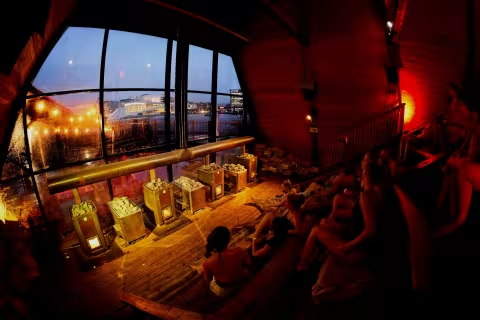
One of the world's largest party saunas holding 80 people inside a cultural festival village with food trucks, DJs at weekends, bars, art installations, and theatrical Aufguss rituals.
0.7km
A centrally located, seasonal public winter event that combines a public ice rink, chalet-style stalls with Norwegian seasonal food and crafts.

Hotels nearby


0.7km
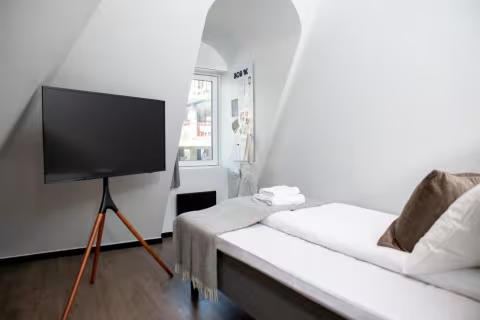
Three minutes from Oslo Central Station, sharp Scandi design, and competitive pricing for a city that punishes your wallet.
0.7km
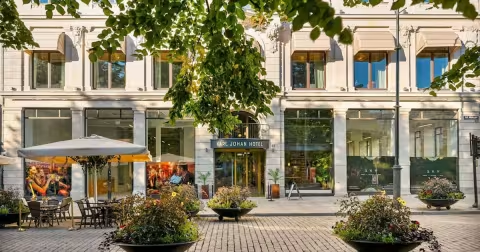
The most central address in Oslo, directly across from the Parliament, with everything walkable.
0.7km
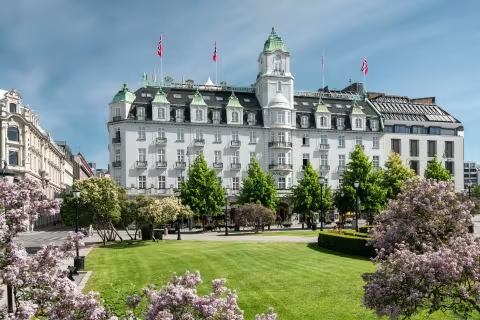
The most historically significant hotel address in Norway, steps from the Parliament and the Royal Palace.