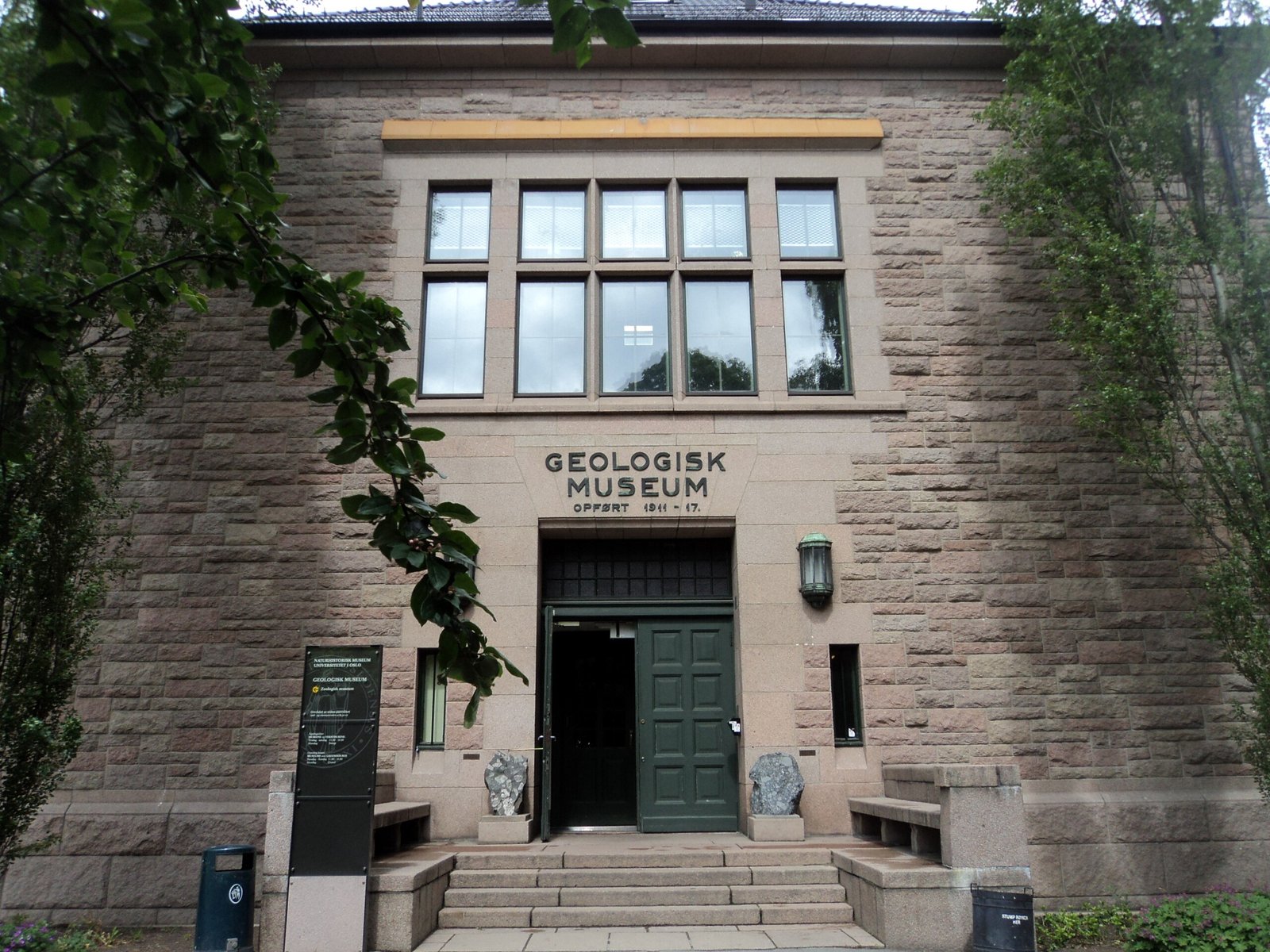
Natural History Museum

A single urban complex that houses Norway's most extensive natural science collections together with a historical botanical garden and interactive mineral and climate displays.

Want to see a 47-million-year-old primate with her last meal still visible in her stomach? Skelettons of 4 dinosaurs? This museum complex sits inside the Botanical Garden. The complex includes three main buildings: the Geological Museum (reopened 2022 after massive renovation), the Zoological Museum, and the Climate House. 

The Geological Museum is the star attraction following its renovation, now housing the largest geological display in the Nordic countries inside a completely modernized historic building. The museum's most famous resident is "Ida" (Darwinius masillae), the world's oldest complete primate skeleton at 47 million years old. She's 95% complete including fur outline and her last meal preserved, representing a crucial link in human evolution.

The Zoological Museum shows classic dioramas of Norwegian wildlife (bears, lynx, wolves, moose in realistic settings mimicking Norwegian nature) plus exotic halls featuring animals from around the world including penguins in Antarctica settings and rainforest creatures. The displays are old-fashioned taxidermy but comprehensive.

The Climate House (Klimahuset) is a newer dedicated building focused on climate change and sustainability through interactive technology showing the difference between natural climate shifts and man-made changes. 


Handwerk café in Tøyen Manor is genuinely good. Handwerk does organic coffee and quality sourdough sandwiches in Oslo's oldest garden building. This is a destination café that happens to be on museum grounds.

Highlights


See Ida in the Geological Museum first thing when doors open. The 47-million-year-old complete primate skeleton (95% intact with fur outline and last meal visible) is the museum's crown jewel.
Walk through the Crystal Cave in the Geological Museum basement. The recreated mineral environment with Norwegian mine specimens sparkles under proper lighting. The immersive design beats static display cases for understanding geological formations.
Stand next to Stan (the full T. rex skeleton) to appreciate the scale. The Triceratops skull and Svalbard Plesiosaur add context to prehistoric life across different eras and environments.


Best time to go


Tuesday through Thursday mornings 10-11:30am year-round for smallest crowds. Rainy weekends pack the Geological Museum with families seeking indoor activities. Combine with Botanical Garden outdoor walks since you're on the same grounds.

Time needed


1–3 hours

Getting there


Take the Oslo metro to Tøyen station and follow signs to the Botanical Garden and museum; the station is commonly used as the transit stop for the garden and adjacent museum area. Local tram and bus stops near Sars' gate and Monrads gate provide closer access to specific entrances.

What to do nearby


2.5km
The working residence of Norway's King and Queen through lavish 19th-century state chambers during summer, or year-round you can watch the daily Changing of the Guard ceremony.
2.5km
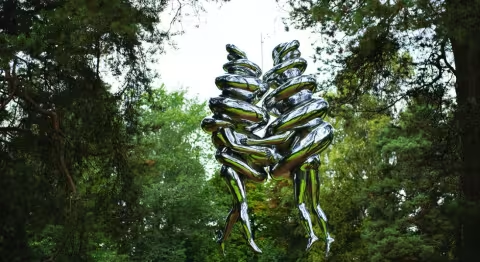
Over 40 sculptures by Dalí, Rodin, and Louise Bourgeois scattered through a wild forest overlooking the fjord. Stand where Edvard Munch painted The Scream's background, all with free 24-hour access.
2.5km
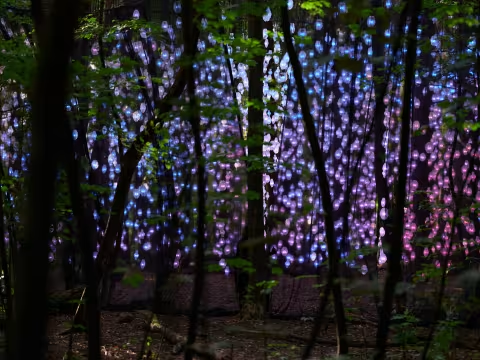
3,000 color-changing LED lights hanging from pine trees that pulse like breathing or swaying grass, creating the sensation of entering a bioluminescent forest.

Hotels nearby


1.8km
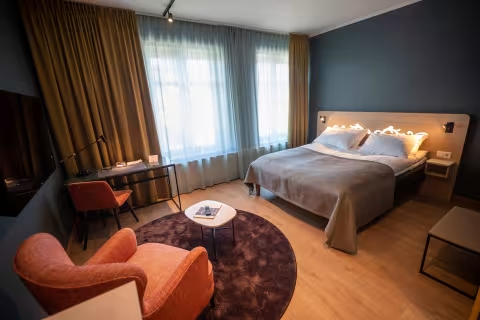
A centrally located hotel with real Norwegian character.
1.9km Insider pick
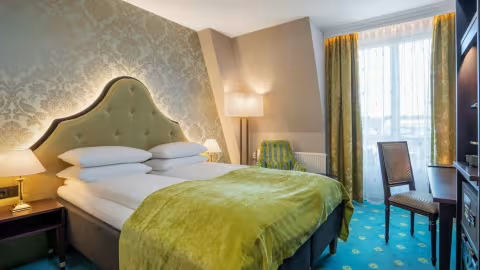
A century-old grand hotel with a walk-everywhere location wrapped in 1920s atmosphere.
1.9km
The most historically significant hotel address in Norway, steps from the Parliament and the Royal Palace.